9th of June 2025
This week’s headlines were dominated by the arrest of Greta Thunberg and the Madleen crew by Israeli forces as they attempted to deliver aid to Gaza, a bold act of civil disobedience that has reignited debate over Israel’s blockade and the criminalisation of peaceful protest. At the same time, direct missile strikes between Israel and Iran marked a dangerous escalation in the region, pushing long-simmering tensions into open confrontation. Back home, multiple UK Pride events were cancelled due to funding and policing issues, raising concerns about the growing pressure on queer spaces and visibility in an increasingly hostile political climate.
Meanwhile, the G7 summit focused on economic pressure campaigns against Russia and managing fallout from Middle East instability, with unity among Western powers showing cracks. In central Africa, the U.S. fast-tracked efforts to broker peace between Rwanda and the DRC, amid fears of worsening violence in the eastern provinces. And in climate news, the Inter-American Development Bank launched a new proposal to unlock private funding for green energy in developing countries, offering a glimmer of momentum ahead of COP30.
Greta Thunberg and the Madleen Crew: Arrested by Israel on Humanitarian Mission
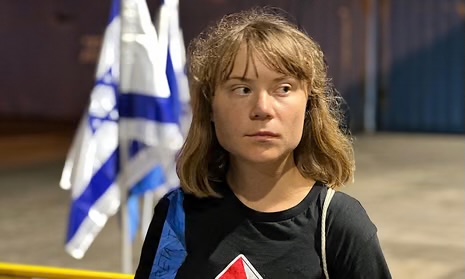
Greta Thunberg was arrested earlier this week by Israeli forces. Yes, that Greta Thunberg, the Swedish climate activist who became a global figurehead for youth-led climate strikes. But this time, she wasn’t speaking at a UN summit or marching for climate justice. She was on a small sailboat headed for Gaza, carrying flour, baby formula, nappies, medical kits and other basic supplies.
The boat, called Madleen, was part of a campaign called the Freedom Flotilla. It left Sicily at the start of June with twelve people on board: campaigners, politicians, journalists and crew from various countries. Their aim was simple: break the Israeli naval blockade of Gaza, even if just symbolically, and deliver much-needed aid directly to Palestinians caught in a humanitarian disaster. They knew the risks. The Israeli government has enforced a sea blockade on Gaza since 2007, after Hamas took control of the territory. Israel says it’s to prevent weapons smuggling; critics argue it’s collective punishment, trapping over two million people in worsening poverty.1
The Madleen didn’t have a military escort or any protection. Just a small crew, some sails, and a clear message: the people of Gaza need help, and the world is looking away. Despite being in international waters, over 100 miles from Gaza, the boat was intercepted by Israeli forces. The activists say drones flew overhead, water was sprayed on board, and they were ordered to destroy their phones and laptops. The boat was towed to an Israeli port, and all twelve people were detained.
Israel defended the operation, claiming the boat posed a threat and accusing those on board of staging a “publicity stunt.” Some Israeli officials even called Greta Thunberg antisemitic, which sparked outrage, especially since she has repeatedly said her criticism is of Israel’s government, not Jewish people.
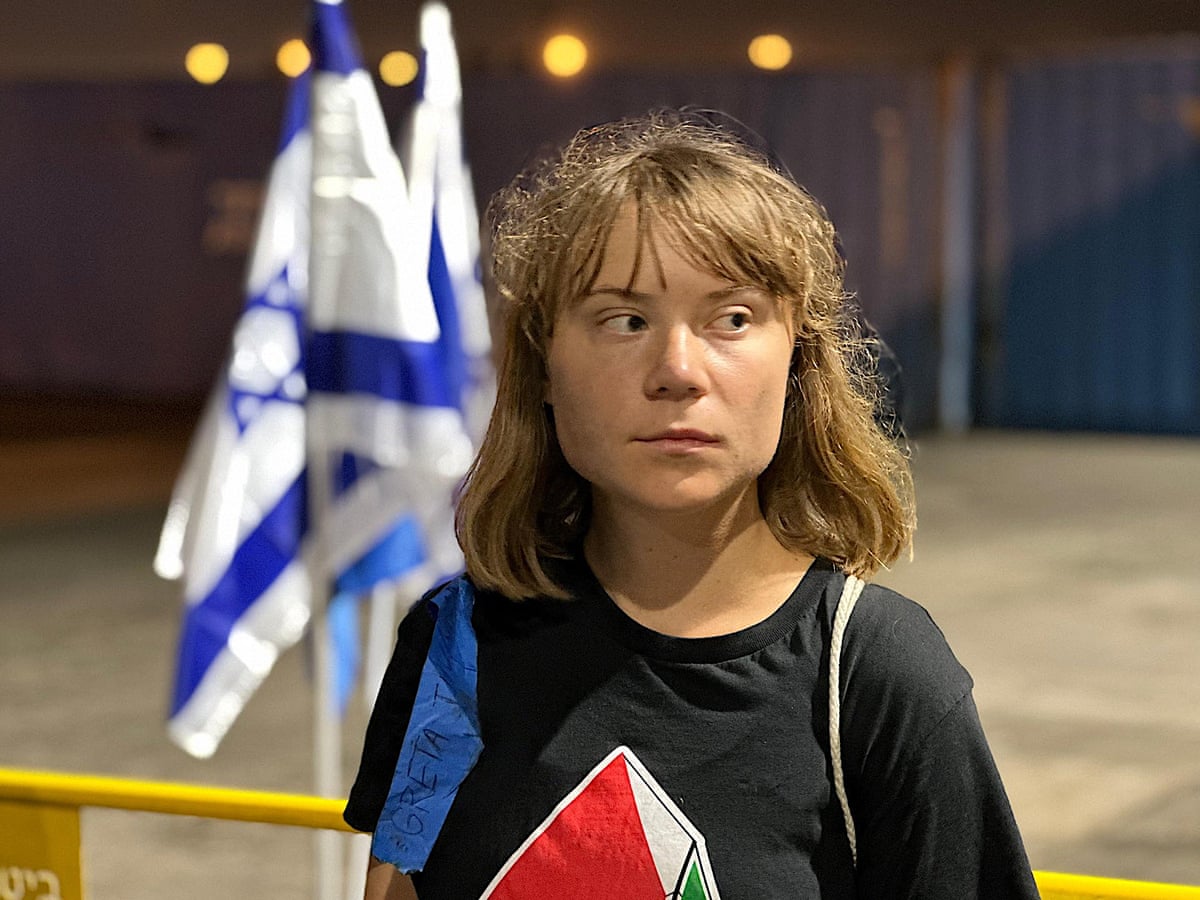

Missing from the photo: Yanis Mhamdi (French Journalist/Director), Omar Faiad (Reporter from Al Jazeera), Pascal Maurieras (French Activist and Sailor), Reva Viard (French Activist), Sergio Toribio (Spanish Activitst)
After being taken to the port city of Ashdod, everyone on board underwent medical checks and then faced a choice: sign a deportation order and leave quietly, or remain in detention and face court hearings. Greta Thunberg and a few others chose deportation. She flew out on 10 June and gave interviews in Paris, calling the whole experience “dehumanising” but insisting it was nothing compared to what Palestinians in Gaza are going through. She also made it clear that this wasn’t just about aid, it was about drawing global attention to a blockade that has lasted nearly two decades.2
The others who refused to sign deportation orders were taken to a detention centre near Tel Aviv. Among them were French MEP Rima Hassan and Brazilian activist Thiago Ávila. Some have since been deported through Jordan, but others remain in legal limbo. Ávila went on hunger strike while in solitary confinement, and several of the detainees still haven’t had their cases resolved.
The legal arguments are ongoing. Israel says it has the right to enforce the blockade for security reasons, and that entering Gaza’s waters without permission is illegal. But human rights groups, including Amnesty International, argue that intercepting a humanitarian vessel in international waters, especially one that’s clearly unarmed, violates international law. Lawyers for the activists are also challenging the deportations, saying their clients were not treated fairly and that the arrests were politically motivated.
There’s also been political fallout. UN experts criticised Israel’s actions. Campaigners across Europe staged protests. And in the UK, some civil servants pushed back against ministers who failed to condemn the arrests. The flotilla’s organisers insist this won’t be the last mission, they say they’ll keep sending boats until the blockade ends.
My Opinion on this
Greta Thunberg has been arrested… for trying to bring nappies and flour to starving children.
Let’s be clear: this wasn’t about security. It was about control. The Madleen didn’t threaten Israel’s borders; it threatened its narrative. Because when a well-known figure like Greta shows up with a bag of rice and a film crew, it becomes harder to deny that Gaza is in crisis, and harder to pretend that the blockade is justifiable.
This is how power reacts to dissent. Not with debate, but with handcuffs. Governments don’t fear chaos, they fear visibility. They fear people refusing to play by the rules, especially when those rules are designed to keep the suffering of others invisible. And when that resistance is peaceful, principled, and public? It becomes dangerous.
That’s why Greta was arrested. Not because she posed a threat, but because she didn’t. Because she showed that you don’t need bombs or rockets to challenge a state’s authority. Sometimes all it takes is a sailboat and a camera.
Israel’s officials have tried to frame the flotilla as a “publicity stunt,” branding Greta and the other passengers as extremists or antisemites. But that’s just another tactic, delegitimise the people who challenge you, and you don’t have to answer for what they’re challenging. Never mind that the boat was full of food and medical supplies. Never mind that Gaza’s health system has collapsed. Never mind that two million people are living under siege. If you make the messenger the problem, you don’t have to deal with the message.
And where are the Western governments in all this? Silent. Or worse, complicit. The UK barely acknowledged it. The EU gave a shrug. The US pretended not to notice. It’s not just cowardice, it’s policy. Because if they admit that intercepting a humanitarian boat in international waters is illegal, they also admit that their ‘ally’ is breaking international law. And they won’t do tha, not for Gaza, not for anyone.
This is the uncomfortable truth Greta Thunberg’s arrest makes impossible to ignore: states will criminalise solidarity if it threatens their power. They will arrest you for showing up, for bearing witness, for caring too loudly. And they’ll do it while accusing you of being the radical.
But maybe this is also a turning point. Because the image of Greta in detention, confused, defiant, and furious, won’t be forgotten. And neither will the names of the activists still being held, or the aid they tried to deliver.
The blockade of Gaza doesn’t just cut off food and fuel, it cuts off empathy. It isolates, dehumanises, and buries suffering under layers of “complex geopolitics.” The Madleen tried to cut through that. And the response shows us exactly why more people need to try.
Israel and Iran Exchange Strikes in Dangerous Regional Escalation
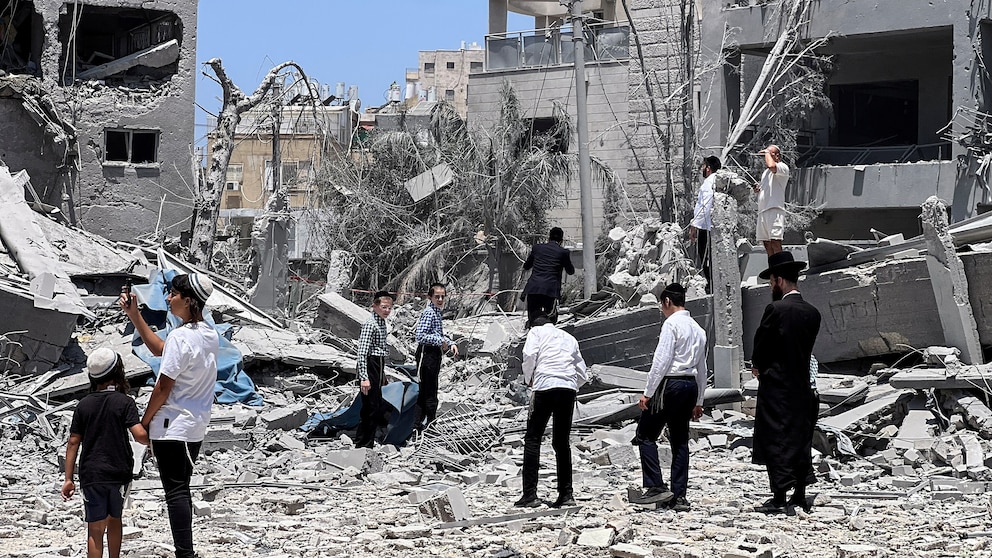
If you blinked this weekend, you might’ve missed the start of what could be a regional war.
On Saturday night, Israel bombed a major oil facility in Tehran. Within hours, Iran launched dozens of missiles and drones back across the border. By the end of the night, Israeli air defences were lighting up the sky while oil tanks in Iran burned. Civilians in both countries were caught in the crossfire. At least eight people are confirmed dead. Others are still missing.3
The headlines have been breathless, Iran strikes Israel. Israel hits back. But it’s worth asking: how did we get here? And what are we actually watching unfold?
This latest escalation didn’t come out of nowhere. Tensions between Israel and Iran have been steadily rising for years, especially since the start of the current war in Gaza.
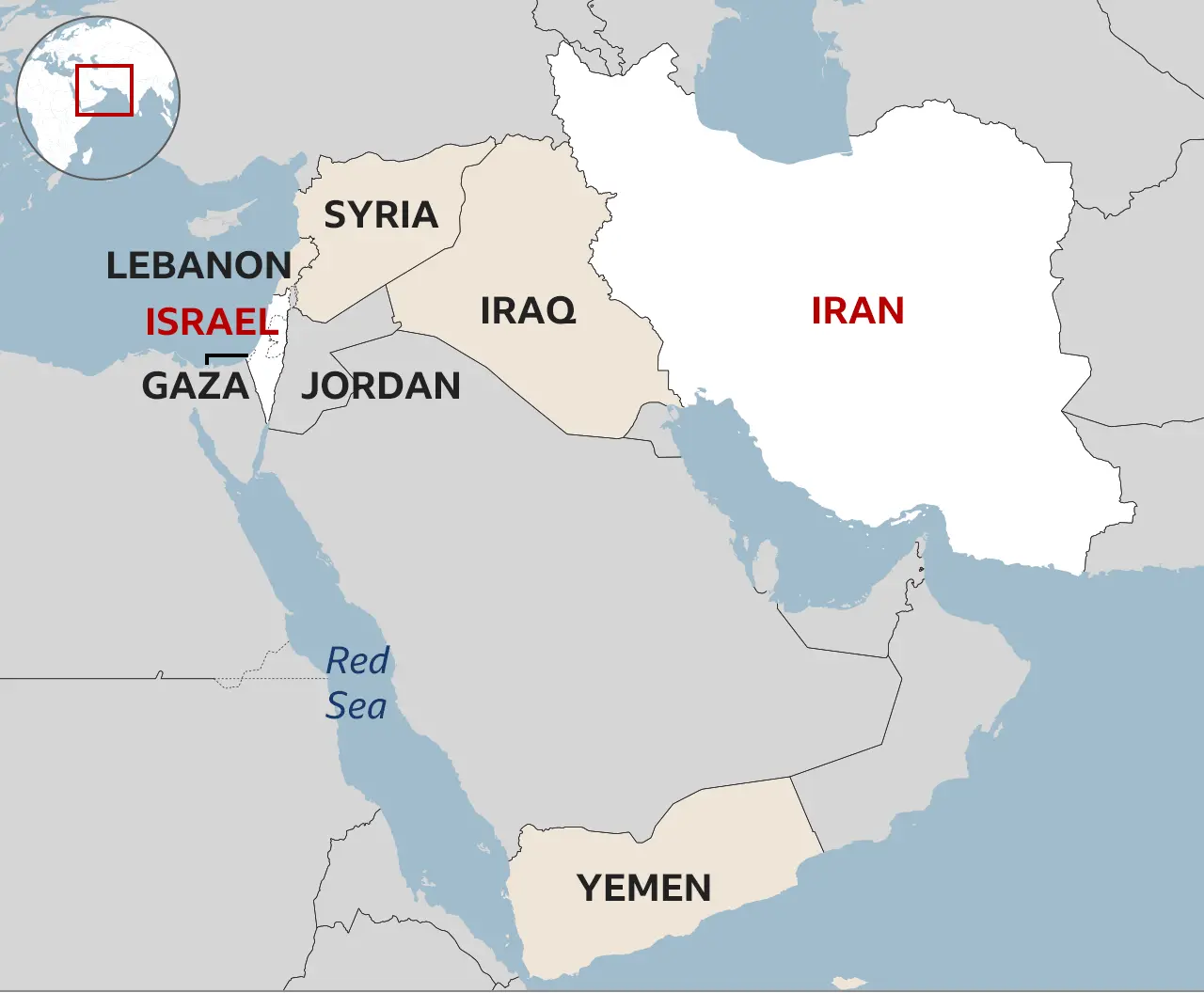
Iran backs Hamas and Hezbollah (Lebanese Militia), two groups Israel sees as existential threats. Israel, in turn, has carried out years of covert operations in Iran: assassinations, cyberattacks, sabotage campaigns. What’s happening now is just a more public version of a very long shadow war.
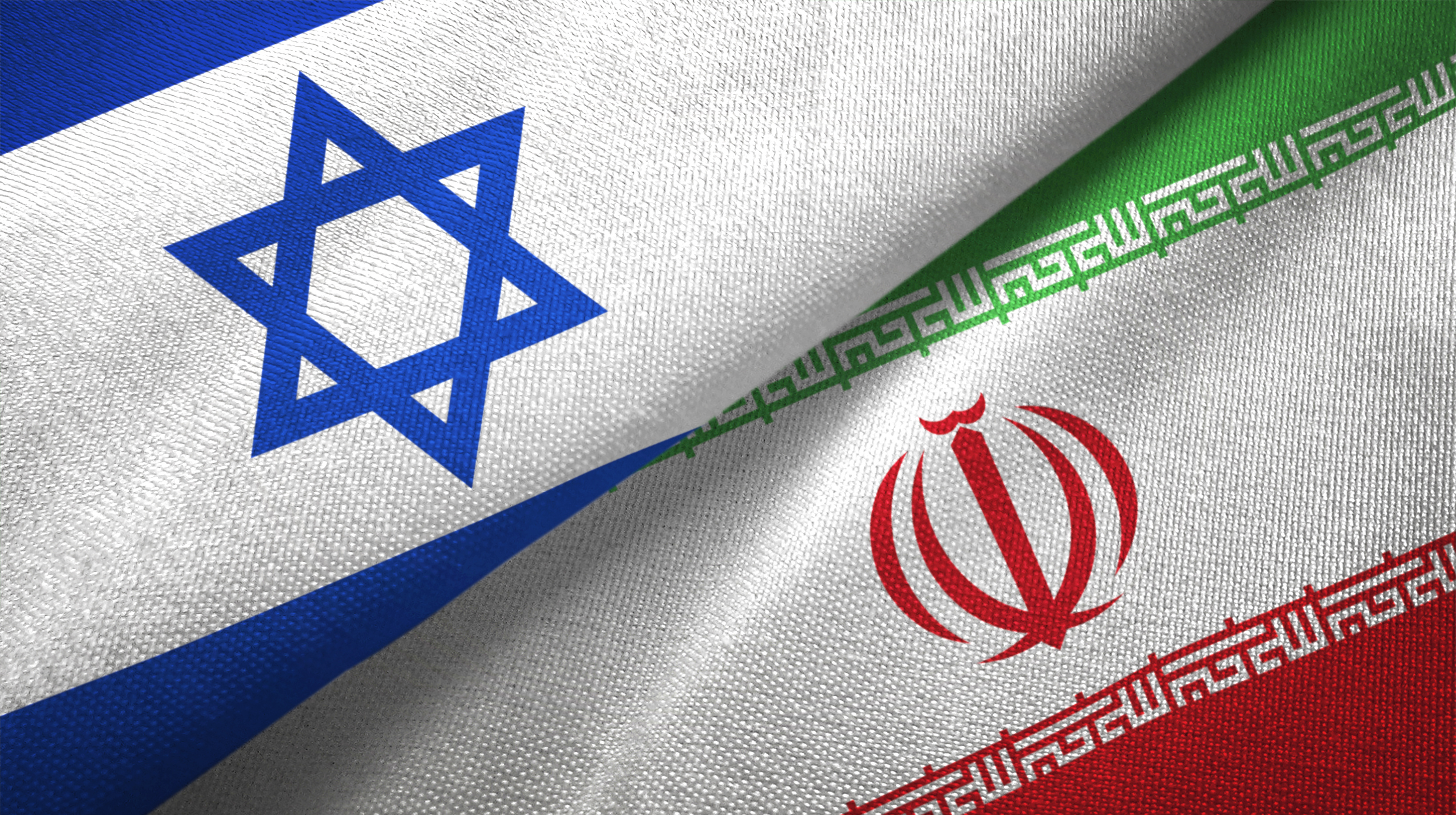
These weren’t just proxy clashes. They were direct strikes of two nuclear-armed powers. Israel didn’t hit Hezbollah in Lebanon. It hit Tehran. Iran didn’t just funnel weapons through allies. It fired its own missiles straight at Israeli territory. That’s a line neither side has openly crossed in years.
And it’s not just the two of them anymore. The US has reportedly repositioned assets in the region. Arab states are watching closely. Gulf oil prices are already wobbling. The question is no longer just “What will Israel and Iran do?” It’s “Who gets pulled in next?”
And beneath all this is Gaza. While the world’s attention swivels toward oil depots and long-range missiles, the siege continues. More than 37,000 Palestinians have been killed. Entire neighbourhoods are in rubble. The humanitarian crisis is worsening daily. And now, with Iran and Israel trading direct blows, that story risks being buried again.4
That might not be a coincidence.
Israel’s government has everything to gain from escalation. A regional war justifies its continued assault on Gaza. It reframes criticism as a security threat. And it sidelines international outrage. Iran, meanwhile, faces huge internal unrest, and external confrontation is a convenient distraction. Both sides benefit politically from keeping their populations in fear.
But the rest of us shouldn’t buy into it. This isn’t just “self-defence.” It’s strategy. And the people who pay the price (again) aren’t the ones making decisions in war rooms. They’re the ones caught in collapsing buildings. The ones trying to get their kids to school under air raid sirens. The ones who never voted for this.
UK Pride Parades Cancelled Amid Funding and Support Challenges
This year, several Pride events across the UK have been cancelled or scaled back, raising questions about the future of these important celebrations of LGBTQ+ identity and rights. Most recently, Liverpool’s “March with Pride” was cancelled, following a similar trend in other cities such as Portsmouth and Lincoln.
Organisers in Liverpool cited difficulties in securing council support, funding challenges, and problems with policing resources as the main reasons behind the cancellation. The local mayor stated that Pride events are not being banned but acknowledged that more work is needed to ensure their smooth running.5
Pride events have long been a vital space for the LGBTQ+ community, serving as both a celebration of identity and a platform for raising awareness about ongoing issues affecting queer people. These events often involve parades, speeches, and cultural activities that attract tens of thousands of participants, including families, allies, and public figures.
However, the recent cancellations have highlighted growing logistical and financial challenges for organisers. Many local councils are facing budget cuts, which affect their ability to provide necessary services such as police presence, road closures, and event coordination. This has led some councils to prioritise other public events over Pride, sometimes citing concerns about public safety or resource availability.
Beyond practical challenges, some commentators have pointed out that these cancellations come at a time when debates around LGBTQ+ rights remain politically charged in the UK. Issues such as transgender healthcare access, drag performances, and education about gender identity continue to be subjects of public and political discussion.
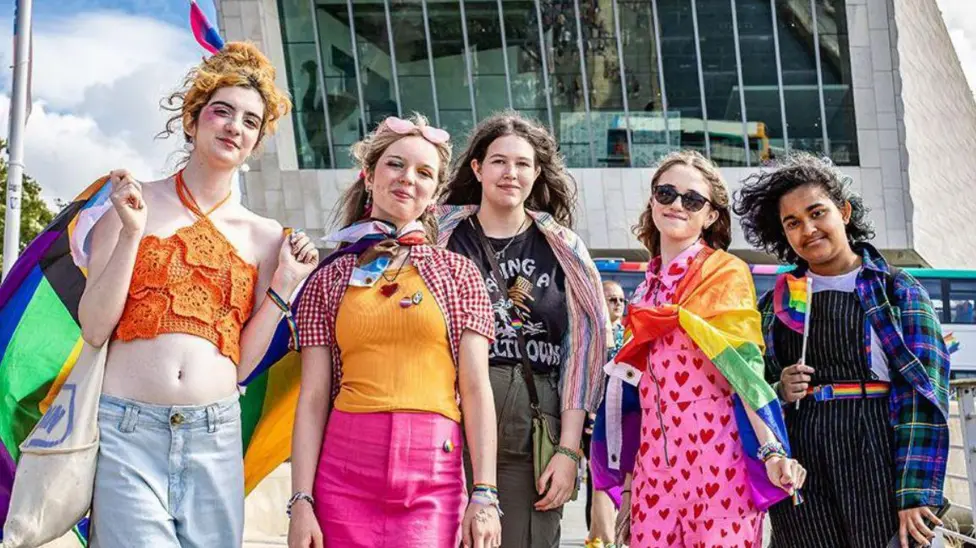
Despite the setbacks, many community groups and activists emphasise that Pride remains an important cultural and political event. Where official parades have been cancelled or scaled down, grassroots organisations have often stepped in to hold smaller-scale marches, virtual events, or alternative gatherings to ensure that Pride continues in some form.6
As the situation evolves, it remains to be seen how Pride events across the UK will adapt to the changing political and financial landscape. Some local authorities have expressed willingness to work more closely with organisers to ensure future events can take place, while others are reviewing policies around public gatherings more broadly.
In the meantime, the cancellations have sparked conversations about the importance of maintaining safe, visible spaces for LGBTQ+ communities, especially in times of wider social and political uncertainty. Pride, both as a celebration and a statement, continues to hold significance for many people across the UK.
Other Global news this Week
G7 Pushes Harder: Sanctions on Russia and Middle East Focus
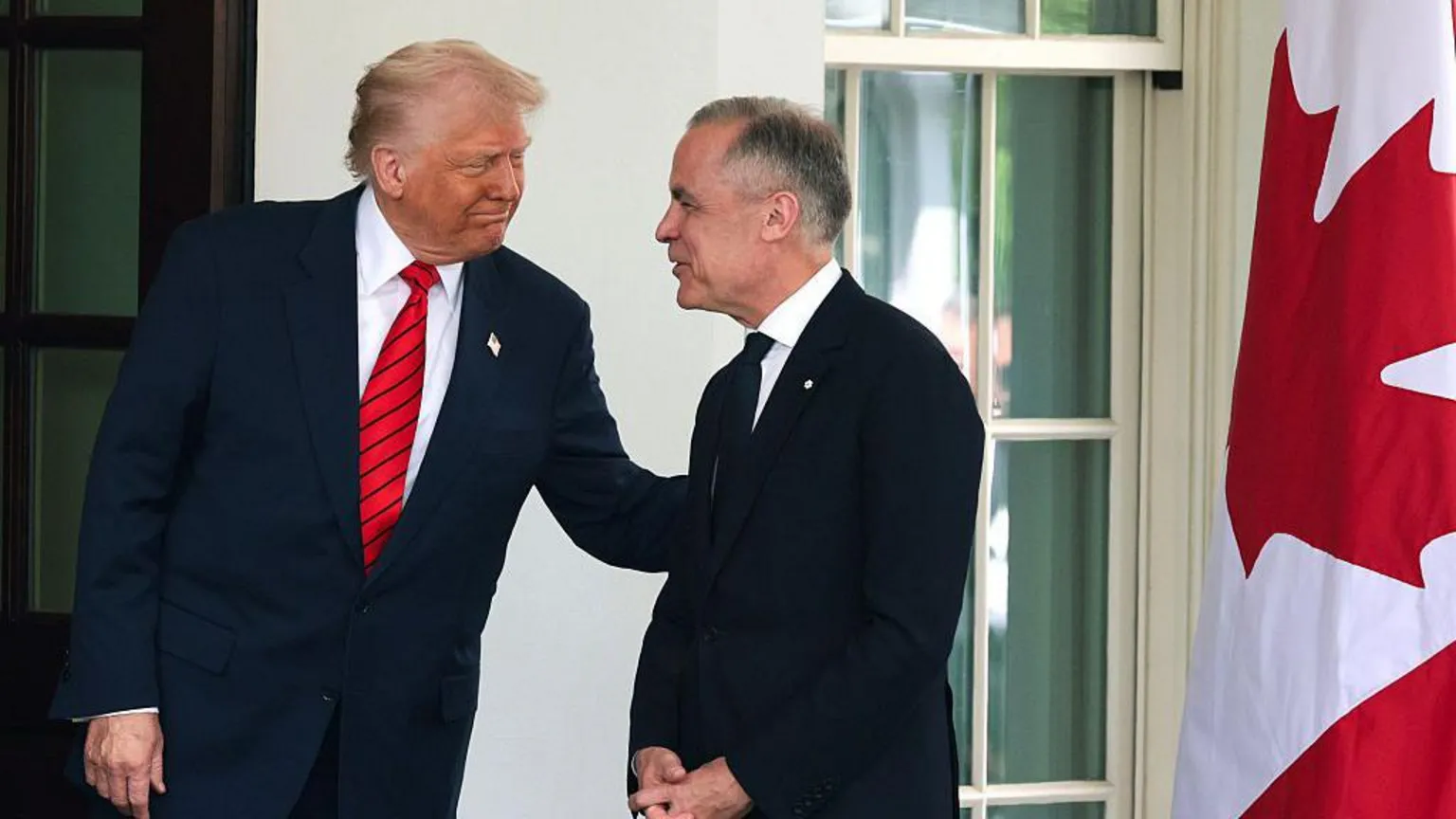
At this week’s G7 summit in Canada, EU Commission President Ursula von der Leyen issued a clear challenge: the group must tighten economic pressure on Russia to force its leadership to the negotiating table for a Ukraine ceasefire.
The EU is readying a hefty 18th sanctions package targeting Russian energy, banks, and military sectors. But convincing the U.S. to follow suit remains a hurdle, President Trump remains skeptical, worrying tougher sanctions might hinder peace talks.
This summit isn’t just about Russia. The Israel–Iran flare‑up has turned eyes to the Middle East too. Von der Leyen stressed that instability there could ripple through global energy markets, helping to drive up oil prices . The G7 leaders are also trying to balance support for Israel’s self‑defence with renewed diplomatic efforts to curb Iran’s nuclear ambitions.
But unity is fragile. Trump’s suggestion that removing Russia from the G8 in 2014 may have triggered the Ukraine war, has rattled other members, raising questions about U.S. commitment. Germany’s Chancellor Merz has urged the G7 to present a coordinated front on sanctions and de‑escalation across both Ukraine and the Middle East
On trade fronts, Canada’s PM Mark Carney is hosting side‑talks on tariffs and supply chains, especially metals and AI, but Trump’s protectionist leanings may limit ambition .
In short: the G7 is attempting to juggle two wars at once, with economic tools and diplomatic muscle. Whether they succeed may depend on the U.S. staying on board.7

U.S. Fast-Tracks Rwanda–DRC Peace Deal Ahead of Deadline
The U.S. is also urgently pushing for a peace compact between Rwanda and the Democratic Republic of Congo (DRC), aiming for an agreement by June or July to address the deadly conflict in eastern Congo .
This week, envoy Troy Fitrell confirmed teams are working at a technical level to operationalize principles previously agreed, but trust between Kinshasa and Kigali remains low, and a recent cancellation of a foreign minister meeting underscored the fragility of talks .
Meanwhile, parallel negotiations in Doha between the DRC government and Rwanda‑backed M23 rebel leaders, are progressing under Qatari mediation. However, reports suggest Rwanda must acknowledge culpability in supporting M23 for any breakthrough to solidify .
Analysts say the U.S.’s active role could provide momentum for enforcing any deal, especially if it includes monitoring mechanisms to prevent post-agreement violations. Yet success hinges on Rwanda’s willingness to withdraw support from M23, and DRC’s ability to implement reforms in eastern provinces.
So far, the diplomatic spotlight has been narrow, but Washington’s increased engagement signals potential for wider international backing. Both nations appear to recognize the stakes: without resolution, instability and humanitarian suffering in eastern Congo will likely intensify.8
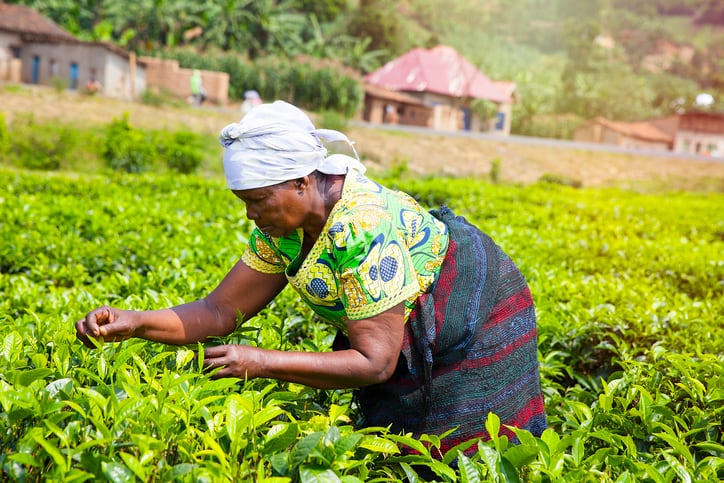
Green Finance Boost: IADB Proposal Aims Unclog Climate Funding
This week the Inter‑American Development Bank (IADB) unveiled a plan designed to unlock trillions in private climate finance for developing countries.
The idea is simple: public development banks would buy performing green energy loans in lower‑income countries. These secured loans could then be repackaged and offered to private investors, greatly expanding the pool of capital for new renewable projects.
The IADB estimates this could catalyze tens of billions in fresh investment, working toward the UN’s goal of $1.3 trillion per year of climate funding by 2035
The mechanism reduces risk for private investors by adding a public backer, making green energy ventures in emerging markets more attractive. At a time when official donors are falling short, this could signal a major shift in how global green infrastructure is funded.
The plan will be discussed further at the UN’s Bonn climate meetings, ahead of COP30 in Brazil. Critics note it won’t fill the funding gap alone, but many see it as a pragmatic, scalable model to boost developing countries’ access to clean energy finance9
Footnotes
- Tondo, L. (2025). IDF Ordered to Stop Gaza-bound Aid Ship Carrying Greta Thunberg. [online] The Guardian. Available at: https://www.theguardian.com/world/2025/jun/08/israel-katz-threatens-to-use-all-necessary-measures-to-stop-gaza-bound-aid-ship [Accessed 16 Jun. 2025]. ↩︎
- Jaroslav Lukiv and Gritten, D. (2025). Greta Thunberg deported, Israel says, after Gaza Aid Boat Intercepted. BBC News. [online] 9 Jun. Available at: https://www.bbc.co.uk/news/articles/c5y264x3nnno [Accessed 16 Jun. 2025]. ↩︎
- Kestler-D’Amours, J., Osgood, B., Siddiqui, U., Umut Uras, Adil, H., Marsi, F. and Najjar, F. (2025). Israel-Iran updates: IRGC Intelligence chief, Two Generals Killed. [online] Al Jazeera. Available at: https://www.aljazeera.com/news/liveblog/2025/6/15/live-iran-fires-missiles-as-israel-strikes-oil-facility-in-tehran [Accessed 16 Jun. 2025]. ↩︎
- Sky News (2025). How Conflict between Israel and Iran Has Unfolded over Four Days. [online] Sky News. Available at: https://news.sky.com/story/how-the-conflict-between-israel-and-iran-unfolded-over-three-days-13383942 [Accessed 16 Jun. 2025]. ↩︎
- Billson, C. (2025). Major UK Pride Event Cancelled amid ‘financial Challenges’. [online] PinkNews | Latest lesbian, gay, bi and trans news | LGBTQ+ news. Available at: https://www.thepinknews.com/2025/06/09/liverpool-pride-event-cancelled/ [Accessed 16 Jun. 2025]. ↩︎
- Horsburgh, L. (2025). Liverpool’s Pride Event Cancelled amid Financial Pressures. BBC News. [online] 5 Jun. Available at: https://www.bbc.co.uk/news/articles/c1mg27lrpp0o [Accessed 16 Jun. 2025]. ↩︎
- Irish, J. (2025). G7 Needs to Raise Pressure on Russia, Von Der Leyen Says. Reuters. [online] 16 Jun. Available at: https://www.reuters.com/world/americas/g7-needs-raise-pressure-russia-von-der-leyen-says-2025-06-16/ [Accessed 16 Jun. 2025]. ↩︎
- Reuters Staff (2025). US Pushes for June Peace Deal between Rwanda and Congo. Reuters. [online] 13 Jun. Available at: https://www.reuters.com/world/africa/us-pushes-june-peace-deal-between-rwanda-congo-2025-06-12/ [Accessed 16 Jun. 2025]. ↩︎
- Harvey, F. (2025). Bank Unveils Green Loans Plan to Unlock Trillions for Climate Finance. [online] The Guardian. Available at: https://www.theguardian.com/global-development/2025/jun/16/public-money-green-loans-climate-finance [Accessed 16 Jun. 2025]. ↩︎

Subscribe
Subscribe to get our the latest stories in your inbox.
Reigniting Politics
Proudly powered by WordPress

 Reigniting Politics
Leave a reply to Bombs Over Fordow and Battles for Bodily Autonomy – Reigniting Politics Cancel reply