w/b of May 2025
This week’s political landscape is marked by uneasy alliances and disappointing reckonings. Keir Starmer’s new immigration policy has reignited debate within Labour’s base. Meanwhile, the UK and EU have agreed on a series of post-Brexit reforms, signalling a diplomatic thaw and a return to calmer, more constructive relations. Also at home, the Green Party is entering a moment of introspection as Carla Denyer steps down from leadership, triggering a fresh contest for the direction of a party still reeling from the electoral.
Elsewhere, limited aid has finally been allowed into Gaza after weeks of a deadly blockade, but continued Israeli bombardment raises fears of a deepening humanitarian catastrophe. And in the US, former President Joe Biden has revealed he is undergoing treatment for aggressive prostate cancer, prompting a wave of sympathy and uncertainty about his public future.
Starmer’s Immigration Gamble
In May 2025, Prime Minister Keir Starmer introduced a comprehensive immigration white paper, signalling a significant shift in the UK’s approach to migration. Aimed at reducing net migration and promoting integration, the proposed policies have sparked widespread debate across political and social spectrums.
The white paper outlines several major reforms:1
- Skilled Worker Visas: Eligibility criteria have been tightened, requiring applicants to possess at least an undergraduate degree, up from the previous A-level equivalent. Additionally, English language proficiency requirements have been raised for all visa categories, including dependents.
- Settlement and Citizenship: The residency requirement for settled status has been extended from five to ten years. However, individuals deemed “high-contributing,” such as doctors and nurses, may still qualify after five years. The Life in the UK test is also set for reform to better assess applicants’ integration.
- Social Care Visas: The visa route for foreign care workers is being phased out, with a complete cessation by 2028. This move aims to encourage domestic recruitment and training in the care sector.
- Graduate Visas: The duration of post-study work visas for international graduates will be reduced from two years to 18 months, and a 6% levy on international student income will be introduced.
- Enforcement Measures: New legislation will grant the Home Office increased powers to revoke visas for certain offences and impose financial penalties on sponsors whose visa holders violate immigration regulations.
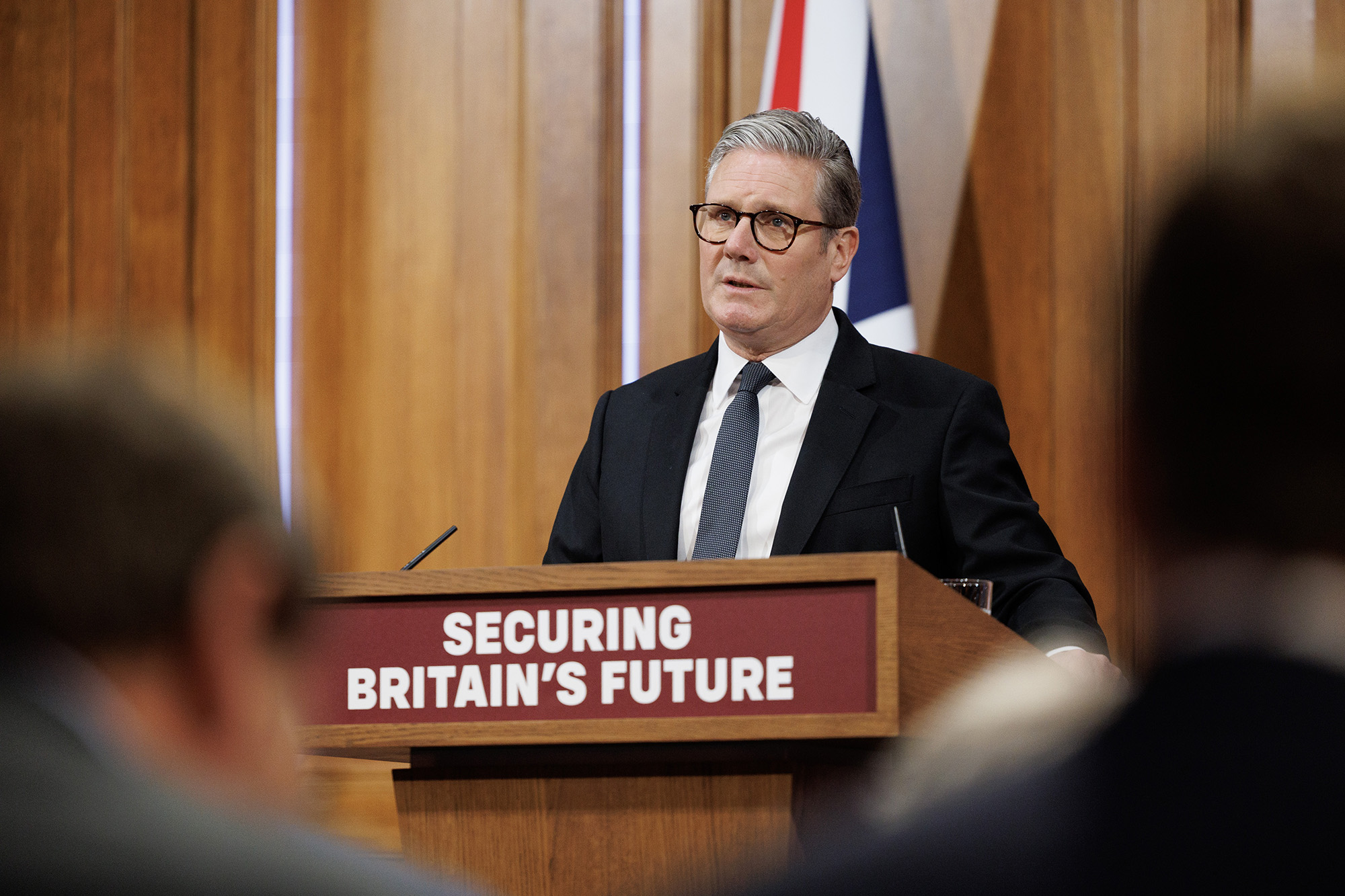
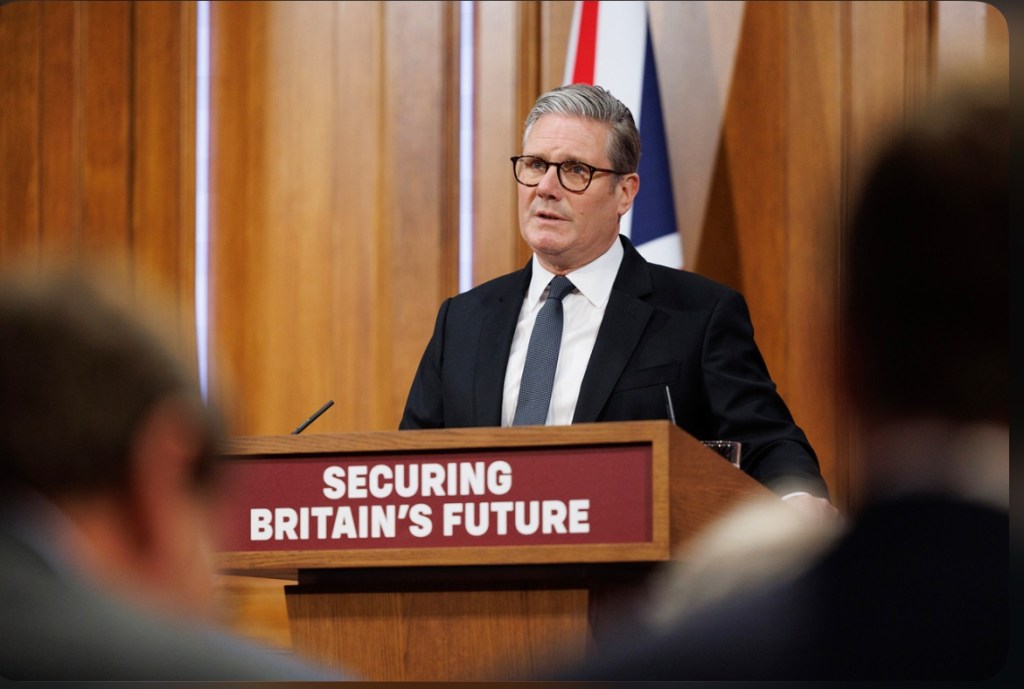
Starmer attributes the surge in net migration, peaking at over 900,000 in 2023, to previous Conservative policies, which he describes as a “one-nation experiment in open borders.” He argues that uncontrolled migration has strained public services and hindered economic growth. The new policies aim to restore public trust and ensure that immigration benefits the UK economy and society .2
The white paper represents a pivotal moment in UK immigration policy, balancing the need for economic growth with public concerns over migration levels. As the government moves forward with these reforms, ongoing dialogue and assessment will be crucial to address the complexities of immigration and integration in a diverse society.
My Opinion on this
So, this is what we’re doing now. Keir Starmer’s shiny new immigration plan is here, and it’s grim. Visa fees up, settlement made harder, and the care worker route quietly binned. International students (who basically keep UK universities afloat) now face higher charges and fewer rights. All wrapped up in some vague language about “integration” and a Britain that shouldn’t become an “island of strangers.”
Honestly, it’s depressing. Not because it’s surprising, Labour’s been drifting this way for a while, but because it still feels like a betrayal. This isn’t just political posturing; it’s a real shift in values. And it hurts more coming from Labour than it would from the Tories, who we expect this stuff from. When it’s your supposed ally backing away from you, that stings.
The “island of strangers” line is the part that sticks in my throat. Starmer insists he’s not pandering to the right, but let’s be honest: it sounds like he’s trying to soothe the Daily Mail crowd. There’s a quiet nationalism baked into it. A sense that multiculturalism has gone too far. It’s not quite xenophobia, but it rhymes with it. It’s the kind of language that nudges people towards seeing migrants not as neighbours or workers or fellow human beings, but as outsiders. Problems to be managed.
And look, we can talk about numbers and workforce planning and “British jobs” all day, but scrapping the care worker route when the sector is already collapsing? That’s not pragmatism, it’s posturing. We know there aren’t enough UK-born workers willing or able to take those roles, especially not for poverty wages. If this government really cared about filling jobs with “homegrown” workers, they’d raise pay and improve conditions. But they won’t. Because that was never the point.
The thing is, what’s actually making Britain feel like an “island of strangers” isn’t immigration. It’s the constant polarisation being fuelled by politicians. The manufactured culture wars. The finger-pointing. We’re told to blame the people arriving here for a better life, rather than the people who’ve spent years gutting our public services and inflaming social tensions for headlines.
And here’s the most bitter irony: this country spent centuries rampaging across the globe under the banner of empire. We stole resources, looted cultures, displaced millions, and set entire nations back economically and socially. And now, in the year 2025, we have the gall to act indignant when people come to Britain seeking a better life. What, is that privilege reserved only for us? We devastated their homes, then clutched our pearls when they knocked on ours.
I don’t know, maybe I shouldn’t be surprised anymore. But I am disappointed. Starmer promised unity, fairness, and inclusion. But if these new rules are what that looks like, then what’s the difference between Labour and the Conservatives on immigration? Because right now, it’s getting hard to tell.
Green Party Faces Turning Point After Denyer Steps Down
After a significant electoral breakthrough, the Green Party is heading into a major leadership contest. Carla Denyer, who helped lead the party into Parliament with four MPs for the first time in its history, has announced she will not seek re-election as co-leader. Her decision marks a turning point for the party and opens the field for a leadership battle that could shape the Greens’ political direction for years to come.3
Denyer, MP for Bristol Central, has served as co-leader alongside Adrian Ramsay since 2021. Her departure is not out of disillusionment, but a decision to focus her energy on her new role as an MP. “It’s been the honour of my life to lead the Green Party,” she said in her statement, citing the party’s growth and her historic win as reasons to step aside from the top job.

Under Denyer and Ramsay, the Greens saw a significant shift from being a single-MP, issue-driven party to one with growing influence both locally and nationally. They now hold over 850 council seats across England and Wales and are being taken increasingly seriously as a political force. With Labour tacking to the centre and the Liberal Democrats still struggling to define themselves, the Greens have an opportunity to become the party of conscience, and possibly, of protest, in British politics.
Adrian Ramsay has confirmed that he will stand for re-election, this time alongside Ellie Chowns, the new MP for North Herefordshire. Chowns, a former MEP and a seasoned campaigner, is positioning herself as a stabilising force with parliamentary credentials. The pair say their leadership would focus on consolidating the party’s new base in Westminster and converting Green values into tangible legislative action.
But there is a challenge brewing. Zack Polanski, the party’s current deputy leader and a London Assembly member, is also entering the race, standing alone rather than as part of a co-leadership duo. Polanski is advocating a more radical, grassroots-focused strategy. He wants to embrace what he calls “eco-populism”, an emotionally resonant politics that takes on corporate power, economic injustice, and environmental collapse with a bolder tone. His vision centres on building a mass membership movement and expanding the Greens’ reach beyond its traditionally middle-class, urban base.4
This election isn’t just about personalities, it’s about priorities. Do the Greens double down on the polished, strategic parliamentary route that Denyer and Ramsay have begun to chart? Or do they veer toward Polanski’s vision of firebrand politics, aimed at building a broader, more defiant coalition in a deeply polarised country?
The leadership nominations open in June, with the results expected in early September. Whoever wins will take over a party with real momentum, and real challenges. With Caroline Lucas stepping down, public scrutiny increasing, and voters increasingly frustrated with the political status quo, the Greens are now being asked: are you ready for the next level?
UK-EU ‘Reset’ Brings Trade Relief and Controversy
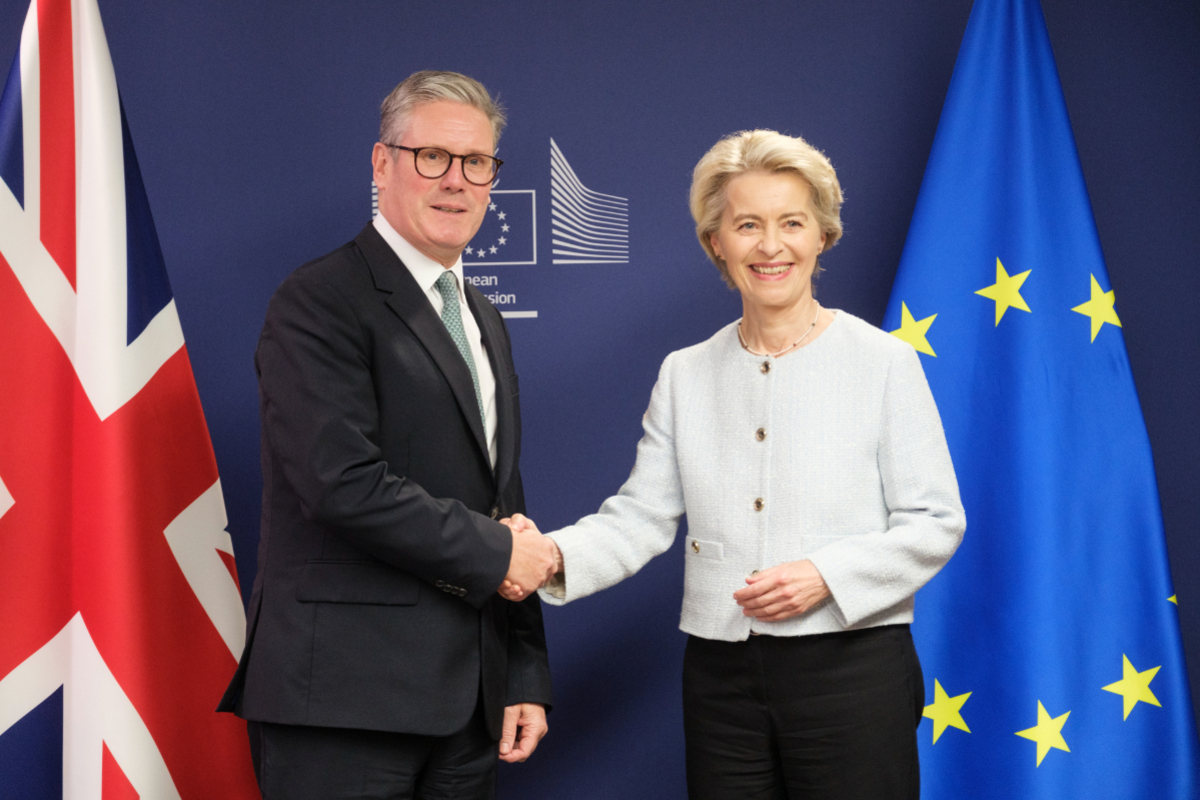
The United Kingdom and the European Union appear to be turning the page on nearly a decade of political friction. Following a high-profile summit in London, Prime Minister Keir Starmer has announced a wide-ranging agreement aimed at “resetting” the UK-EU relationship post-Brexit. It’s the most substantial diplomatic thaw since the 2016 referendum and signals a shift in tone, from the combative posture of recent years to something more cooperative, pragmatic, and perhaps, quietly pro-European.
At the heart of this agreement is a collection of reforms that will, according to both UK and EU officials, “cut costs, ease tensions, and rebuild trust.” On the economic front, the UK has negotiated the reduction of border checks on food and agricultural products, sanitary and phytosanitary checks, in the jargon, which could have a significant impact on trade. The government claims this alone will save billions over the next 15 years, easing inflationary pressure and benefiting British consumers still grappling with a cost-of-living crisis. For many businesses that have struggled to navigate the red tape introduced after Brexit, this is a long overdue reprieve.5
There’s also movement on environmental policy, with the UK agreeing to link its emissions trading scheme with the EU’s. The practical benefit? Avoiding a carbon border tax that could have hit British exporters hard. This part of the deal alone is estimated to save UK firms around £800 million annually—hard to argue with in a tough economic climate. There’s also a notable diplomatic gesture in rejoining some EU research initiatives and accessing the bloc’s €150 billion defence fund, underscoring a shared commitment to security and innovation at a time of growing geopolitical instability.
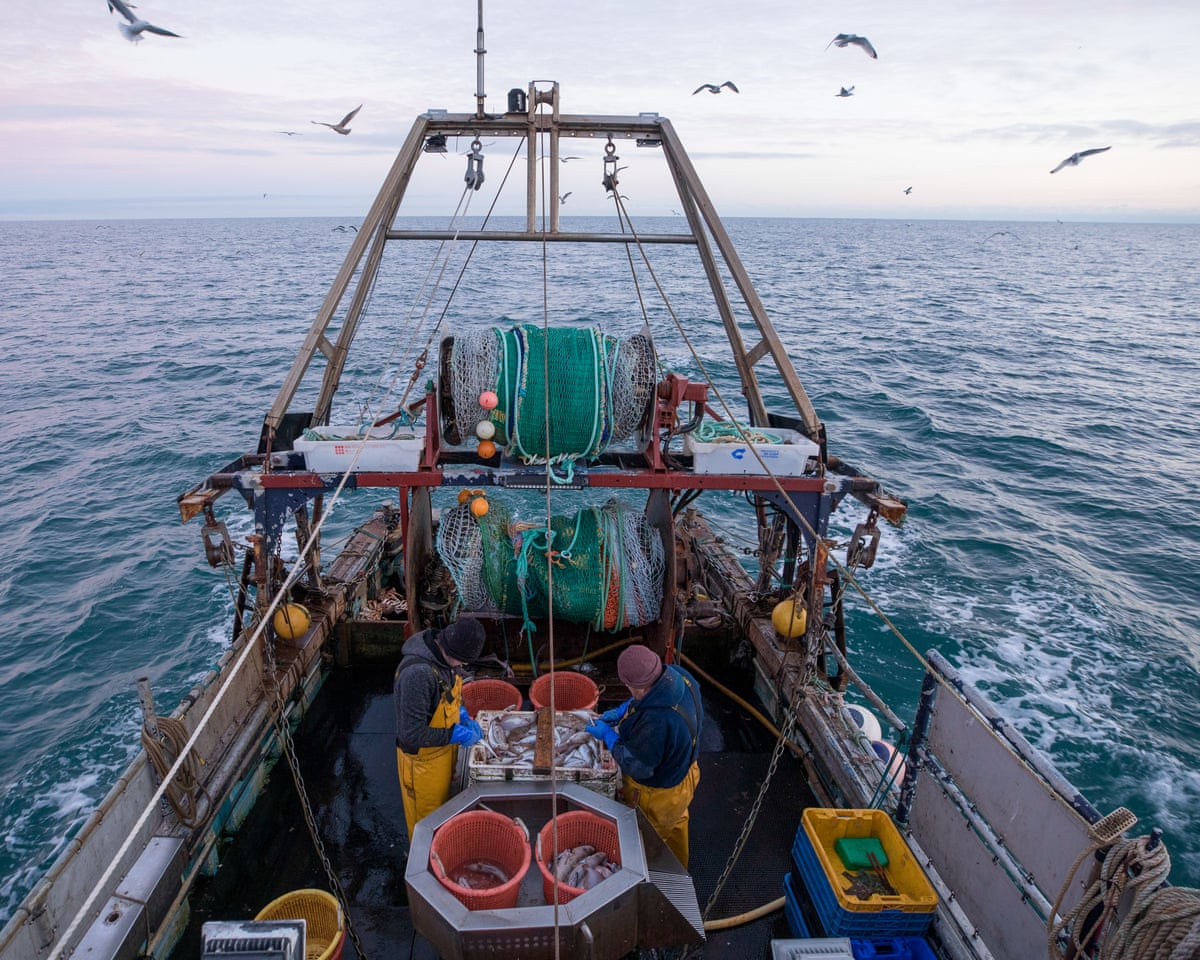
But for all the diplomatic progress, not everyone is celebrating. The agreement includes an extension of EU access to UK waters for fishing until 2038—a concession that has prompted immediate backlash from Scottish ministers and the fishing industry. As a kind of political damage control, the UK has pledged £360 million to support coastal communities that will bear the brunt of this decision. Still, it’s hard not to see this as the same old story: a major industry sacrificed on the altar of bigger economic interests.6
Travel is also getting easier. British tourists will once again be able to use pet passports for EU trips, and airport processing will be simplified for UK citizens. While this may seem trivial to some, these changes speak to a broader symbolic shift: a quiet nudge toward restoring the kind of everyday freedoms people lost after Brexit. Though the deal stops short of rejoining Erasmus+ or implementing a youth mobility scheme, Starmer’s team suggests these topics are on the table in future negotiations.7
Politically, this is a tightrope act for Keir Starmer. He’s adamant this isn’t a stealth route back into the EU. No rejoining. No second referendum. The word “reset” is doing a lot of heavy lifting here, suggesting change without provocation, healing without reopening wounds. But critics from both the right and the left have been quick to weigh in. Brexiteers see this as a betrayal, a dilution of sovereignty. Pro-Europeans see it as too little, too late. But for Starmer, this is likely exactly where he wants to be: in the centre ground, soothing business concerns while avoiding political minefields.
What’s most notable about this moment is not just what’s been agreed, but how it’s being framed. This is no longer the era of ideological trench warfare over Brexit. There’s little appetite among the public for another showdown—only for something that works. If this deal can deliver practical improvements without reigniting the culture war, it might just offer a template for a new kind of British pragmatism. Time will tell whether this “reset” sticks, but for the first time in years, the tone between London and Brussels isn’t bitter, it’s constructive.
Other Global News this Week
Aid Returns to Gaza Amid Escalating Violence
Israel has announced it will permit a “basic amount” of food into Gaza, ending a 10-week blockade that had halted the entry of food, fuel, and medicine into the territory. The decision, recommended by the Israeli Defense Forces (IDF), aims to prevent a starvation crisis among Gaza’s 2.1 million residents and to support Israel’s renewed military offensive, Operation Gideon’s Chariot, against Hamas.
The blockade had drawn international criticism, with aid agencies warning of imminent famine and reporting severe malnutrition among children. French Foreign Minister Jean-Noel Barrot called for the “immediate, massive and unhampered” resumption of aid to Gaza.
Despite the easing of the blockade, Israel stated it would act to prevent Hamas from controlling the distribution of humanitarian assistance.
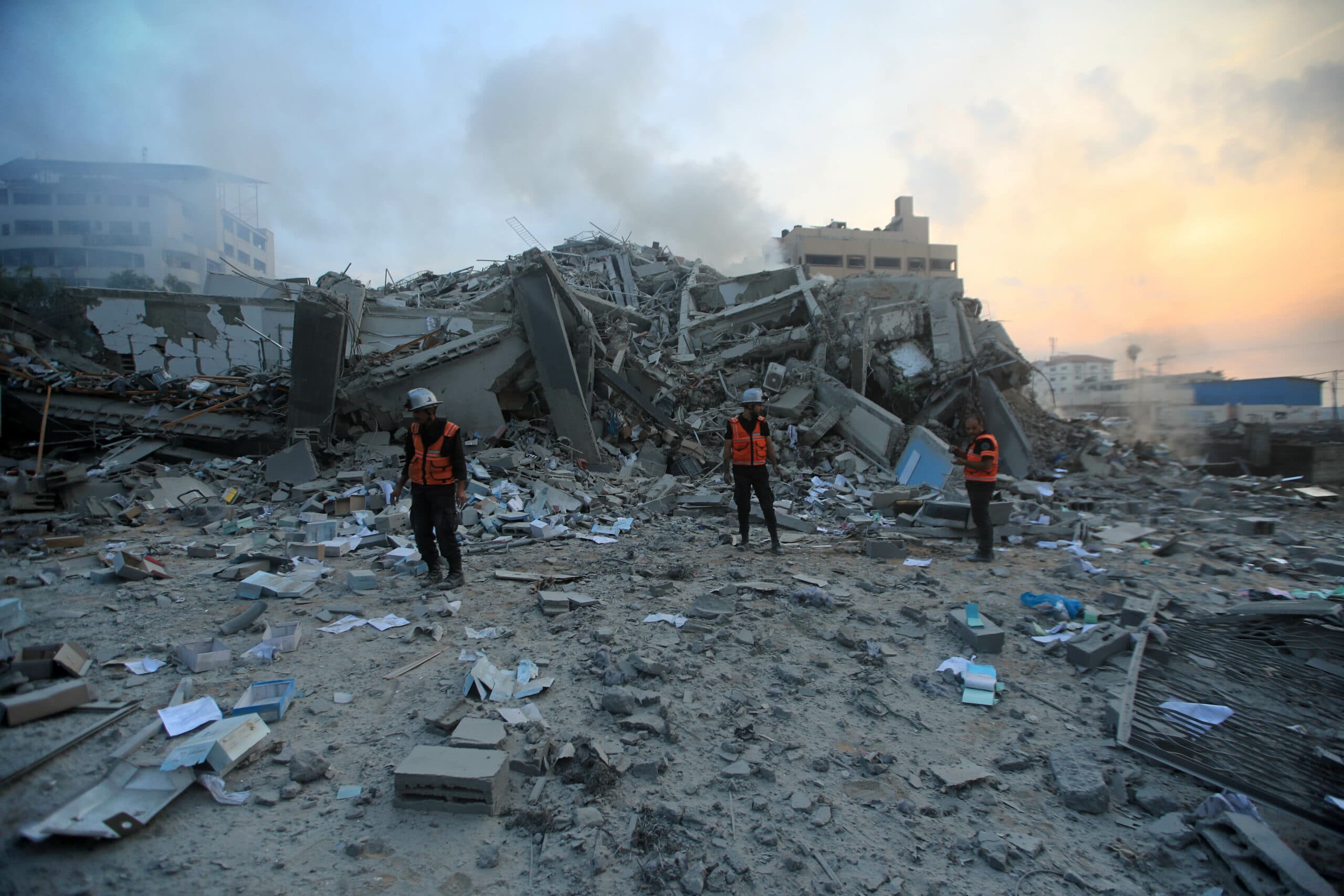
The announcement coincided with intensified Israeli military operations across Gaza, including strikes on the southern city of Khan Younis and northern towns such as Beit Lahia and the Jabalia refugee camp. The Hamas-run health ministry reported at least 67 deaths and 361 injuries in the past 24 hours.
Notably, the al-Mawasi camp, previously designated a “safe zone,” was attacked, resulting in 22 deaths and 100 injuries.
Three public hospitals in North Gaza are now “out of action” due to the escalating airstrikes. At the Indonesian Hospital in Beit Lahia, medical staff reported being under fire from IDF tanks, with 55 individuals, including patients and medical personnel, trapped inside.
Meanwhile, ceasefire negotiations in Qatar have stalled. Israel insists on the release of all hostages, the exile of Hamas leaders, and the disarmament of Gaza. Hamas, however, demands a comprehensive and permanent ceasefire, the release of Palestinian prisoners, and the full withdrawal of Israeli forces from Gaza.
The conflict, which began with Hamas-led attacks on southern Israel on 7 October 2023, has resulted in over 53,000 Palestinian deaths and the continued captivity of 58 Israeli hostages, up to 23 of whom are believed to be alive.8

Biden Diagnosed with Aggressive Prostate Cancer
Former US President, Joe Biden, 82, has been diagnosed with an aggressive form of prostate cancer that has metastasized to his bones, according to a statement from his office on Sunday. The diagnosis followed reports of urinary symptoms, leading to the discovery of a small nodule on his prostate. Medical evaluations revealed a Gleason score of 9 (Grade Group 5), indicating a high-grade cancer with a propensity for rapid spread. Despite the severity, the cancer is hormone-sensitive, allowing for effective management through hormonal therapies.
Biden, who left office in January as the oldest-serving U.S. president, had previously faced scrutiny over his health during his tenure, culminating in his decision to withdraw from the 2024 re-election campaign. His health challenges were a significant factor in this decision, especially after a lackluster debate performance against then-Republican nominee Donald Trump.
The announcement of his diagnosis prompted an outpouring of support from across the political spectrum. Former President Donald Trump expressed his sympathies on his social media platform, Truth Social, extending best wishes to Biden and his family. Former Vice President Kamala Harris and former President Barack Obama also conveyed their support, highlighting Biden’s resilience and longstanding commitment to cancer research. In 2016, Obama had appointed Biden to lead the “cancer moonshot” initiative, aiming to accelerate cancer research and treatments.
International leaders, including UK Prime Minister Keir Starmer, also sent well-wishes, emphasizing the global impact of Biden’s leadership and advocacy. As Biden and his family consider treatment options, the public remains hopeful for his recovery, recognizing his enduring dedication to public service and health initiatives.9
Footnotes
- Walker, P. (2025). Skilled Visa rules, Deportations and Higher fees: What’s in the Immigration White Paper. [online] the Guardian. Available at: https://www.theguardian.com/uk-news/2025/may/12/whats-in-uk-immigration-white-paper-visa-rules-deportations-fees [Accessed 19 May 2025]. ↩︎
- Culbertson, A. (2025). What Are Sir Keir Starmer’s New Immigration rules? [online] Sky News. Available at: https://news.sky.com/story/what-are-sir-keir-starmers-new-immigration-rules-13366468 [Accessed 19 May 2025]. ↩︎
- Morton, B. (2025). Carla Denyer won’t Seek re-election as Green Party co-leader. BBC News. [online] 8 May. Available at: https://www.bbc.co.uk/news/articles/cqxejw1gvd8o [Accessed 19 May 2025]. ↩︎
- Cole, H. (2025). Green Party Leadership contest: Adrian Ramsay and Ellie Chowns Launch Joint Bidd. BBC News. [online] 12 May. Available at: https://www.bbc.co.uk/news/articles/clyq2w87ljvo [Accessed 19 May 2025]. ↩︎
- Mason, C. and Nevett, J. (2025). UK and EU Agree post-Brexit Deal on Fishing and Trade. BBC News. [online] 18 May. Available at: https://www.bbc.co.uk/news/articles/ce9v28r7vlxo [Accessed 19 May 2025]. ↩︎
- Walker, P., Elgot, J. and O’Carroll, L. (2025). UK and EU Reach Deal over Brexit Reset after Fishing Rights Breakthrough. [online] the Guardian. Available at: https://www.theguardian.com/politics/2025/may/19/uk-eu-brexit-reset-talks-starmer-summit [Accessed 19 May 2025]. ↩︎
- Mason, C. (2025). Brexit Back in the News – What Do the UK and EU Want out of deal? BBC News. [online] 19 May. Available at: https://www.bbc.co.uk/news/articles/c20qxx9yv6zo [Accessed 19 May 2025]. ↩︎
- Davies, W. and Abualouf, R. (2025). Israel Says It Will Allow ‘basic Amount of Food into Gaza’ to Prevent Hunger Crisis. BBC News. [online] 18 May. Available at: https://www.bbc.co.uk/news/articles/cy90d929yyno [Accessed 19 May 2025]. ↩︎
- Yousif, N. (2025). Joe Biden Diagnosed with Prostate cancer, His Office Says. BBC News. [online] 18 May. Available at: https://www.bbc.co.uk/news/articles/cwywqg7lq1zo [Accessed 19 May 2025]. ↩︎
One response to “Border Talks, Broken Promises and Green Power Shifts”
-

[…] Read last weeks blog here […]
LikeLike

Subscribe
Subscribe to get our the latest stories in your inbox.

 Reigniting Politics
Leave a comment