w/b 21st of April 2025
This week has seen a collision of grief, conflict, and political manoeuvring across the globe. In Rome, world leaders gathered in solemn unity for the funeral of Pope Francis, a figure whose papacy reshaped the global Catholic Church. But as the world reflects on his legacy, questions loom over who will take up the mantle of leadership in the Vatican. Meanwhile, the decades-long tensions at the Kashmir border have reignited, as India and Pakistan once again find themselves locked in a dangerous standoff. The renewed violence signals just how fragile peace in the region remains. Back home, the UK is heading to the polls for local elections. With public frustration mounting against both Labour and the Conservatives, third parties are beginning to steal the spotlight, but will that shake the establishment, or just send a message?
Also making headlines: an attack at the Lapu-Lapu Festival in Canada has left 11 people dead in a brutal act of terror, while Harvard University has launched a legal counter strike against the Trump administration after a controversial $2.2 billion research funding freeze. The week’s events remind us just how much the world is shifting — politically, culturally, and violently.
Pope Francis’s Funeral and What Comes Next
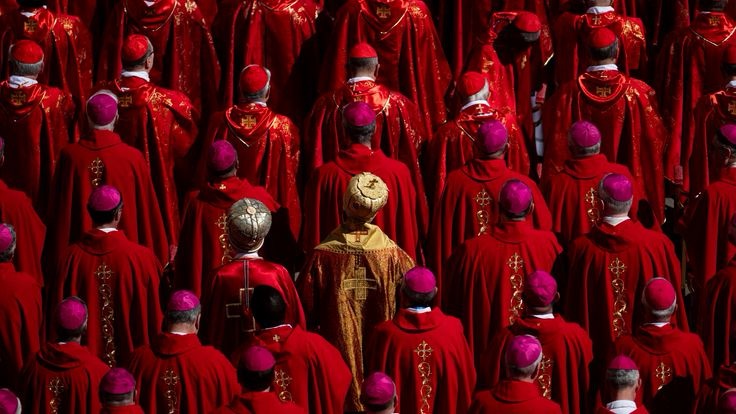
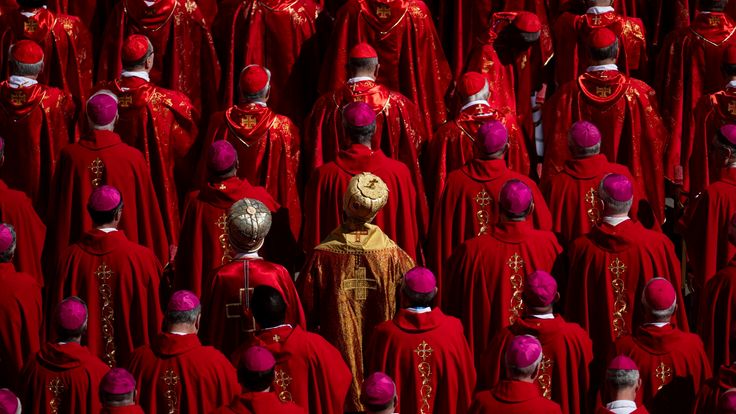
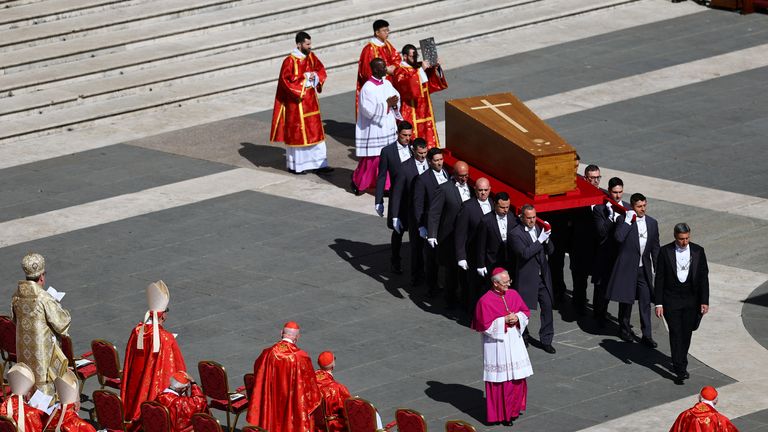
On the 25th of April, history was made in Rome as 250,000 mourners packed into St Peter’s Square to say farewell to Pope Francis, who passed away on the 20th of April. Francis was a figure who, for over a decade, redefined what the papacy could be. 170 heads of state turned up too, a rare sight even by Vatican standards.
Among those in attendance were Prince William, Sir Keir Starmer, President Biden, President Zelensky, and a host of European royals. The President of Brazil, a personal friend of Francis, made an emotional appearance, along with representatives from his birthplace, Argentina. The President of the Philippines also attended, with whispers growing louder about Cardinal Luis Antonio Gokim Tagle, a Filipino cardinal nicknamed the “Asian Francis,” being a serious contender for the next pope.1

In a world where conflict seems to be the order of the day, it was something remarkable to see leaders from every corner, often bitter rivals, standing side by side, even if only briefly.
After a moving service, Francis was buried in the Basilica di Santa Maria Maggiore, one of the oldest churches dedicated to the Virgin Mary. True to form, even in death, Francis chose not the grandeur of St Peter’s but the church he often visited privately, seeking the Virgin’s protection before and after every trip he made abroad.2
Naturally, it wouldn’t be a global spectacle without a dose of chaos: Donald Trump managed to steal headlines by arriving in a bright blue suit, standing out like a sore thumb in a sea of black. But drama aside, there was a surprisingly significant moment: Trump and Zelensky reportedly engaged in serious conversation about the war in Ukraine — with discussions rumoured to touch on the possibility of a ceasefire. Whether anything comes of it remains to be seen, but in the shadow of Francis’s message of peace, the symbolism was hard to ignore.3
Who Was Pope Francis?
Jorge Mario Bergoglio, born in Buenos Aires, Argentina, was never meant to be “just another pope.” From the moment he stepped onto the balcony of St Peter’s Basilica in 2013 and chose the name Francis — after St Francis of Assisi — it was clear he wanted something different.
- First South American pope
- First Jesuit pope
- First to take the name Francis
Raised by Italian immigrants who fled fascist Italy, Bergoglio grew up working-class. He worked as a nightclub bouncer and a floor sweeper before becoming a chemist — only later following his religious calling and joining the Jesuits.
Francis’s papacy was defined by a call for humility over grandeur. He lived in a guesthouse rather than the Apostolic Palace. He washed the feet of prisoners, immigrants, and Muslims. He constantly pushed the Church to speak up for the poor, the marginalised, and the environment.
Politically, he was seen as a bridge-builder. He brokered dialogue between the US and Cuba, championed refugee rights during the Syrian crisis, and called out the dangers of nationalism and rising Islamophobia.
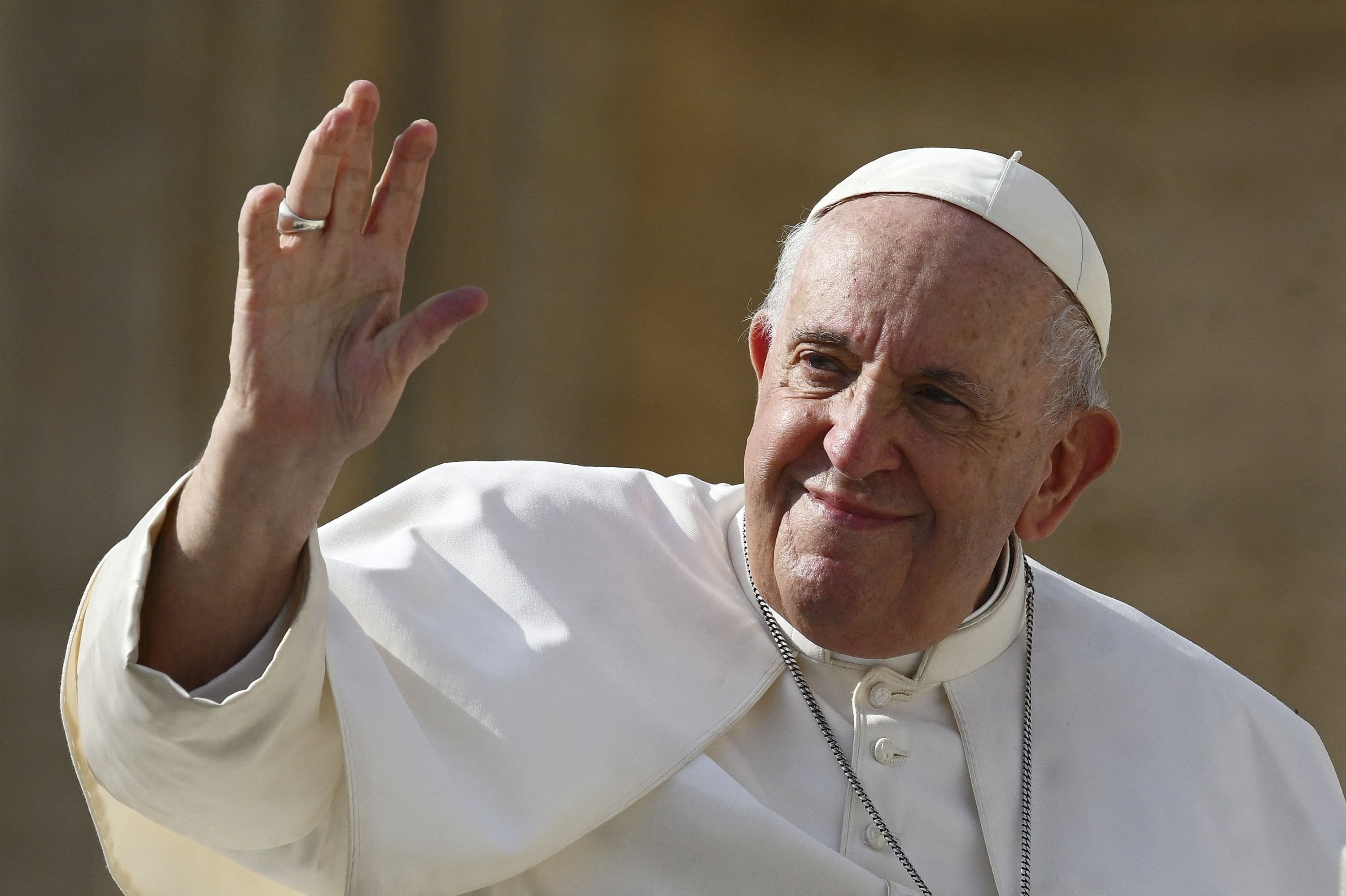
But Francis was also, at his core, a traditionalist. He opposed abortion, refused to support women’s ordination, and remained conservative on sexuality and contraception — something that sometimes frustrated more progressive Catholics who hoped for sweeping change.4

Who Will Be the Next Pope?
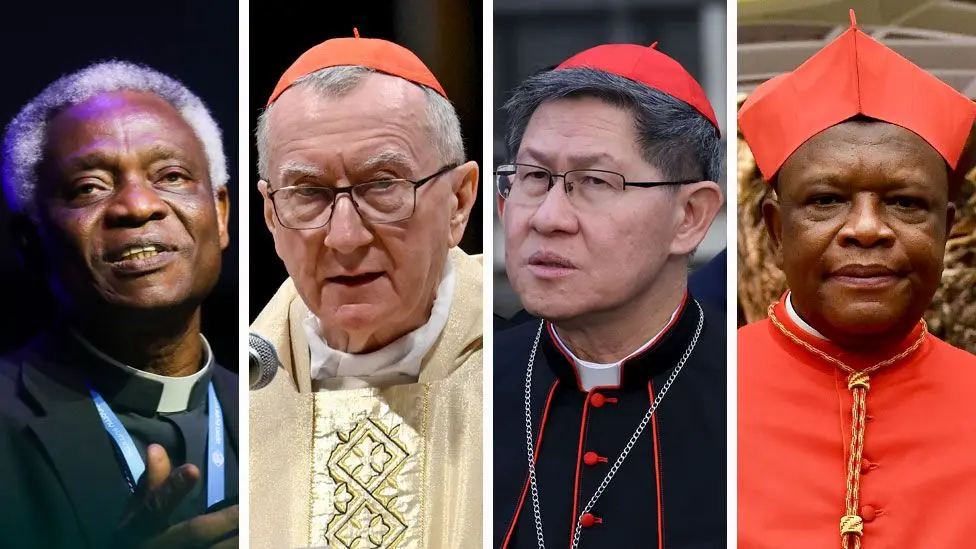
The conclave that follows will be crucial, and the field is wide open. Here are the names buzzing around the Vatican right now:5
Cardinal Luis Antonio Tagle (Philippines)
Known for his charisma, humility, and focus on the poor, Tagle is often described as a globalist voice with Francis-like compassion. His selection would signal continuity and embrace the Church’s growing strength outside Europe.
Cardinal Matteo Zuppi (Italy)
A moderate progressive, Zuppi has experience in peace negotiations (especially in Mozambique) and is seen as someone who could keep Francis’s social agenda alive while healing internal Church divisions.
Cardinal Peter Turkson (Ghana)
Outspoken on climate change and economic inequality, Turkson would be the first African pope in over 1,500 years. He’s seen as socially conscious but leans more conservative on issues of sexuality and family.
Cardinal Christoph Schönborn (Austria)
A brilliant theologian and key figure behind the Catechism of the Catholic Church, Schönborn is respected across factions. He has shown pastoral sensitivity towards LGBTQ+ Catholics but stays rooted in traditional doctrine.
Cardinal Robert Sarah (Guinea)
A sharp conservative voice. Sarah is deeply critical of what he sees as the Church’s drift under Francis. His election would signal a hardline return to tradition, likely pushing back on many of Francis’s reforms.
There are, of course, wildcards. Some whisper about a Latin American successor to continue Francis’s “southern tilt.” Others wonder if the Church, beset by internal tensions, might choose an unknown compromise figure.
Francis once said, “The world tells us to seek success, power and money; God tells us to seek humility, service and love.”
As the world bids him farewell, it’s hard not to wonder: in a time defined by conflict and inequality, will the Church hold onto that message — or turn back to old comforts?
The next pope will inherit not just a Church in flux, but a world on fire.
Fresh Violence and Rising Tensions at the India-Pakistan Kashmir Border
The long-standing conflict between India and Pakistan over the disputed region of Kashmir flared up once again this week, in what is quickly becoming one of the most dangerous escalations in recent years.
On April 22, a brutal terrorist attack struck the popular Pahalgam tourist area in Indian-administered Kashmir, killing 26 people, 25 Indian nationals and one Nepalese citizen. The attack, which targeted civilians, was claimed by a group calling itself “Kashmir Resistance,” allegedly backed by Pakistan-based organisations.
India was quick to respond, accusing Pakistan of harbouring and supporting terrorist groups across the border. The rhetoric was sharp, but so was the action: India suspended the Indus Waters Treaty, a major water-sharing agreement between the two countries, and closed its airspace to all Pakistani flights. Within hours, Pakistan retaliated by suspending the Simla Agreement, expelling Indian diplomats, and shutting its airspace to Indian aircraft.
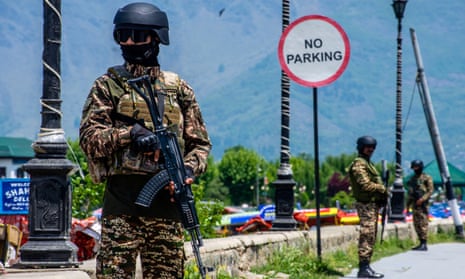
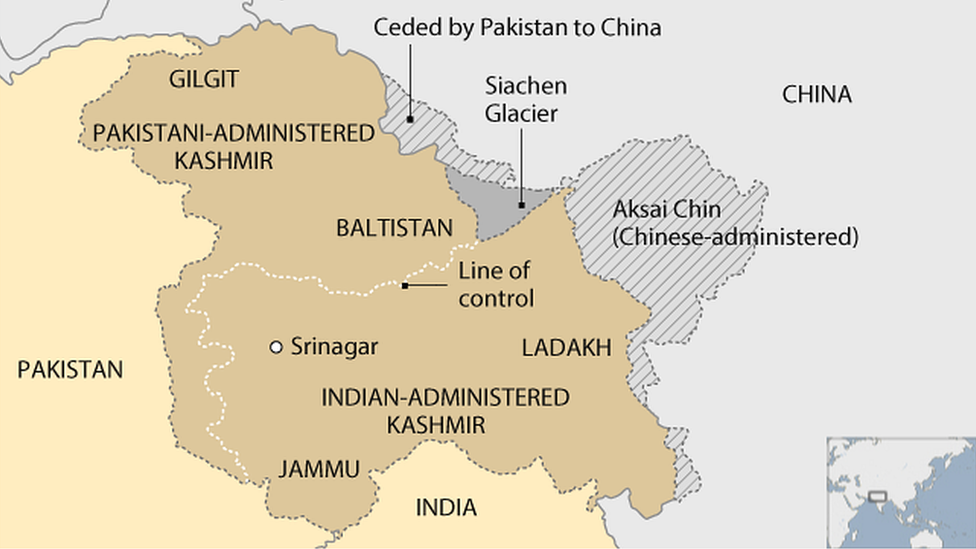
The Line of Control (LoC) is the de facto border that divides the disputed region of Kashmir between India and Pakistan. Established after the 1971 war and formalised in the 1972 Simla Agreement, it isn’t an internationally recognised boundary but functions as a military control line. India administers the territory to the south and east of the LoC, while Pakistan controls the land to the north and west. It’s one of the most heavily militarised borders in the world, frequently seeing crossfire, skirmishes, and shelling — often putting civilian lives at risk on both sides.
Tensions further spilled over into the military sphere, with deadly skirmishes breaking out along the Line of Control (LoC). India reported one soldier killed and two injured in the clashes, while Pakistan confirmed the death of an army captain and another injured soldier. Both sides have since deployed additional troops along the border, sparking fears of a broader conflict.
While border skirmishes are sadly not uncommon in the region, what’s alarming this time is the scale and swiftness of diplomatic retaliation. The mutual suspension of two landmark agreements, the Indus Waters Treaty and the Simla Agreement, signals a breakdown in communication at the highest level. These agreements have historically acted as stabilising mechanisms during tense periods; without them, there is little left to act as a buffer.
The international response has been one of concern, but also caution. The United States issued a statement urging both sides to show “maximum restraint” and engage diplomatically to avoid further escalation. China, which shares a border with both India and Pakistan, has also called for calm. Meanwhile, Saudi Arabia has stepped forward as a potential mediator, offering to host direct talks between the two nations.
This latest flare-up is a reminder of how volatile the Kashmir issue remains. Despite decades of conflict, ceasefires, and peace talks, the region is still mired in violence, mistrust, and political instability. The human cost is often borne by ordinary civilians, the families of the victims in Pahalgam are just the latest to suffer in a decades-long tragedy.
As tensions continue to simmer, eyes are now on whether global pressure can bring the two nations back from the brink, or whether another tragedy will spark something even worse.6
Local Elections 2025: Third Parties Surge as Voter Frustration Grows
This Thursday, May 1, 2025, voters across England will participate in local elections that could significantly reshape the political landscape. With 1,641 council seats, six mayoral contests, and a parliamentary by-election in Runcorn & Helsby up for grabs, these elections are the first major test for political parties since Labour’s general election victory last year.
Approximately 13.7 million people are eligible to vote in these elections. Polling stations will be open from 7 am to 10 pm. Voters must present valid photo identification or apply for a free voter authority certificate if needed.
But what are the key players hoping for?
Labour Party: Under Keir Starmer, Labour has seen a resurgence in national politics, but local elections have revealed a mixed picture. While Labour is expected to perform well in cities and urban areas, there are signs that its traditional base is becoming disillusioned. The party’s stance on issues like the economy and public services is coming under increasing scrutiny, and there’s a growing perception that Labour is simply offering a softer version of Conservative policies. In the absence of major transformative proposals, Labour may face challenges retaining the trust of its working-class base, especially in regions historically governed by the Tories.
Conservative Party: The Conservatives are bracing for significant losses. With internal divisions over economic policies and public spending, as well as the enduring shadow of scandals, their standing has eroded. Kemi Badenoch’s leadership has not managed to stem the tide, and it’s expected that the Tories could lose upwards of 750 council seats. Key battlegrounds include areas in the Midlands and North, where dissatisfaction with the government’s handling of healthcare, housing, and the cost of living crisis is growing. The Conservatives’ failure to deliver tangible results for working-class voters might see them fall even further behind, potentially losing control of several councils they have historically dominated
Reform UK: Perhaps the most significant surprise of these local elections is the rising influence of Reform UK. Initially viewed as a fringe party, it is now forecast to make substantial gains, particularly in areas struggling economically. Reform UK is capitalising on the widespread frustration with both Labour and the Conservatives. With their populist rhetoric and focus on issues like immigration and government inefficiency, they are attracting voters who feel that the main parties have ignored their concerns. In certain regions, especially in the North and Midlands, Reform UK could be set to challenge the Tories for votes, eating into their traditional support base. The question remains whether Reform UK can convert its local successes into meaningful national momentum.
Green Party: The Green Party continues to gain ground, particularly in urban areas where climate change and sustainability are top priorities. The Greens are making a significant push for council seats in cities like Bristol, where their progressive policies resonate with younger voters and those frustrated by the lack of meaningful action on the environment from the bigger parties. They could also see a boost from those who feel Labour is too focused on internal party politics rather than urgent issues like the climate crisis. In the long term, the Green Party may continue to chip away at Labour’s left-wing base, especially as voters look for more radical solutions on the climate.
Liberal Democrats: The Liberal Democrats are making significant gains in affluent, liberal-leaning areas like Oxfordshire and Cambridgeshire. With voters increasingly dissatisfied with the two main parties’ inability to address climate change, civil liberties, and social justice, the Lib Dems are positioning themselves as the party of progressive change. As many disillusioned voters from both the Labour and Conservative camps flock to them, the party is expected to pick up council seats and potentially increase its influence in key metropolitan areas. The Lib Dems are particularly gaining traction with voters looking for a party that challenges both Brexit policies and the handling of the NHS, offering an alternative to both Labour’s centrist position and the Conservatives’ rightward shift.
One of the most compelling patterns emerging from this local election cycle is the growing influence of third parties. As Labour and the Conservatives struggle to offer a clear vision that resonates with a wide range of voters, parties like Reform UK, the Liberal Democrats, and the Green Party are stepping into the vacuum. This shift is particularly noticeable in economically disadvantaged regions and urban centres, where voters are increasingly looking for alternatives to the established political order. If this trend continues, it could signal a significant reordering of UK politics, with third parties playing a larger role in both local governance and national elections.
As these elections unfold, it’s clear that the major parties can no longer take their voter bases for granted. With third parties gaining ground, particularly among those tired of Labour and Conservative leadership, the political landscape in the UK is on the brink of significant change.
These local elections serve as a barometer for public sentiment and could indicate shifts in political allegiances ahead of the next general election. The rise of Reform UK and potential losses for established parties underscore a dynamic and evolving political environment.
Results will begin to emerge late Thursday night, with most tallied by Friday evening. National vote share estimates are typically released on Saturday.
As voters head to the polls, the outcomes will not only determine local governance but also signal broader national trends and the evolving priorities of the electorate.
Other Global News this Week

Tragedy at Lapu-Lapu Festival in Vancouver
What should’ve been a joyful celebration of Filipino culture turned tragic this week when a driver ploughed into a crowd at Vancouver’s Lapu-Lapu Day Festival. On April 26, a black Audi SUV sped into a busy street that had been transformed into a pedestrian zone lined with food stalls. Eleven people were killed, including a five-year-old girl, and more than 30 others were injured.
The suspect, 30-year-old Kai-Ji Adam Lo, was tackled and detained by bystanders before being arrested. Police say the attack is not being treated as terrorism, but confirmed that Lo has a documented history of mental health issues. He has been charged with eight counts of second-degree murder so far, with more charges likely.
The festival, which honours Filipino resistance hero Lapu-Lapu, had drawn a large crowd from Vancouver’s vibrant Filipino community. In the aftermath, vigils were held, fundraisers launched (though authorities have warned of scams), and officials from Prime Minister Candidate Mark Carney to Vancouver’s mayor offered condolences.
As the city mourns, questions are being raised about public event safety, but for now, Vancouver’s focus is on grief, support, and remembering those lost in a senseless act of violence.7

Harvard Sues Trump Administration Over $2.2 Billion Funding Freeze
Last week, Harvard University escalated its confrontation with the Trump administration by filing a federal lawsuit to halt a $2.2 billion freeze on research funding. The freeze was imposed after Harvard refused to comply with demands to eliminate diversity, equity, and inclusion (DEI) programs, ban masks at campus protests, and overhaul admissions policies.
The administration’s actions are part of a broader campaign against elite universities, citing concerns over antisemitism and campus activism. However, Harvard contends that these demands infringe upon academic freedom and constitutional rights. In its lawsuit, the university argues that the funding freeze is “arbitrary and capricious,” violating the First Amendment and Title VI of the Civil Rights Act.
University President Alan Garber emphasized that the frozen funds support critical research in areas like cancer and heart disease, asserting that the government’s actions jeopardize not only academic independence but also national interests in innovation and public health.
This legal battle underscores the intensifying tensions between higher education institutions and the federal government, as universities navigate challenges to their autonomy and core values.8
Footnotes
- Rawnsley, J. (2025). Who Is Going to the Funeral of the Pope? BBC News. [online] 22 Apr. Available at: https://www.bbc.co.uk/news/articles/c4g8ry3x172o [Accessed 29 Apr. 2025]. ↩︎
- BBC (2025). Pope Francis funeral: a Visual Guide and Timeline. BBC News. [online] 25 Apr. Available at: https://www.bbc.co.uk/news/articles/cq5w9yzy1vpo [Accessed 29 Apr. 2025]. ↩︎
- Sedghi, A., Ambrose, T., Jones, S., Sherwood, H., Christou, W., Giuffrida, A., Tondo, L., Carroll, R., Stanford, P., Stock, P. and Smith, H. (2025). Pope Francis Buried after Funeral Attended by World leaders, Royals and 400,000 Mourners – as It Happened. [online] The Guardian. Available at: https://www.theguardian.com/world/live/2025/apr/26/pope-francis-funeral-vatican-st-peters-pontiff-papal-rome-latest-news-updates [Accessed 29 Apr. 2025]. ↩︎
- BBC (2025a). Francis: Pope from Latin America Who Changed Catholic Church. BBC News. [online] 21 Apr. Available at: https://www.bbc.co.uk/news/articles/c98zxx13d3go [Accessed 29 Apr. 2025]. ↩︎
- Maqbool, A. (2025). Who Will Be the next Pope? the Top Candidates in an Unpredictable Contest. BBC News. [online] 22 Apr. Available at: https://www.bbc.co.uk/news/articles/ckgxk40ndk1o [Accessed 29 Apr. 2025]. ↩︎
- Jazeera, A. (2025). India and Pakistan Continue to Trade Fire across Kashmir Border. [online] Al Jazeera. Available at: https://www.aljazeera.com/news/2025/4/28/india-and-pakistan-continue-to-trade-fire-across-kashmir-border [Accessed 29 Apr. 2025]. ↩︎
- Guardian staff reporter (2025). Vancouver Car attack: Suspect Has ‘significant History of Mental Health issues’ – Video. [online] the Guardian. Available at: https://www.theguardian.com/world/video/2025/apr/28/vancouver-car-attack-suspect-has-significant-history-of-mental-health-issues-video [Accessed 29 Apr. 2025]. ↩︎
- Rose, A. (2025). Attacks on Harvard by Trump Administration Have Built for months. a Timeline of the Dispute. [online] CNN. Available at: https://edition.cnn.com/2025/04/26/us/harvard-university-trump-timeline/index.html [Accessed 29 Apr. 2025]. ↩︎
One response to “From Vatican Grief to British Ballots to Bullets in Kashmir:This Week’s Global Crossroads”
-

[…] Read my previous summary of this conflict here […]
LikeLike
Subscribe
Subscribe to get our the latest stories in your inbox.

 Reigniting Politics
Leave a reply to New Popes, Old Wars, and Shifting Powers: Global Chaos Gets a Rebrand – Reigniting Politics Cancel reply