W/b 3rd of November 2025
This week (we ignore the fact that I haven’t written a post since September) saw historic and dramatic developments around the globe. Zohran Mamdani became New York City’s first Muslim mayor in a decisive victory, part of a wider wave of Democratic wins across the United States. In Sudan, the civil war continues to escalate, with reports of mass atrocities and growing humanitarian crises, and the U.S. government shutdown caused widespread flight disruptions, leaving travellers and airlines scrambling.
Also this week, in Tanzania, authorities moved to arrest key opposition figures following a disputed election that sparked deadly protests. Iran was accused of plotting to assassinate Israel’s ambassador in Mexico, highlighting tensions far beyond the Middle East. Meanwhile, the Philippines braced for Super‑Typhoon Fung‑wong, forcing the evacuation of over a million people as the storm battered northern Luzon.
Zohran Mamdani’s NYC Mayoral Victory
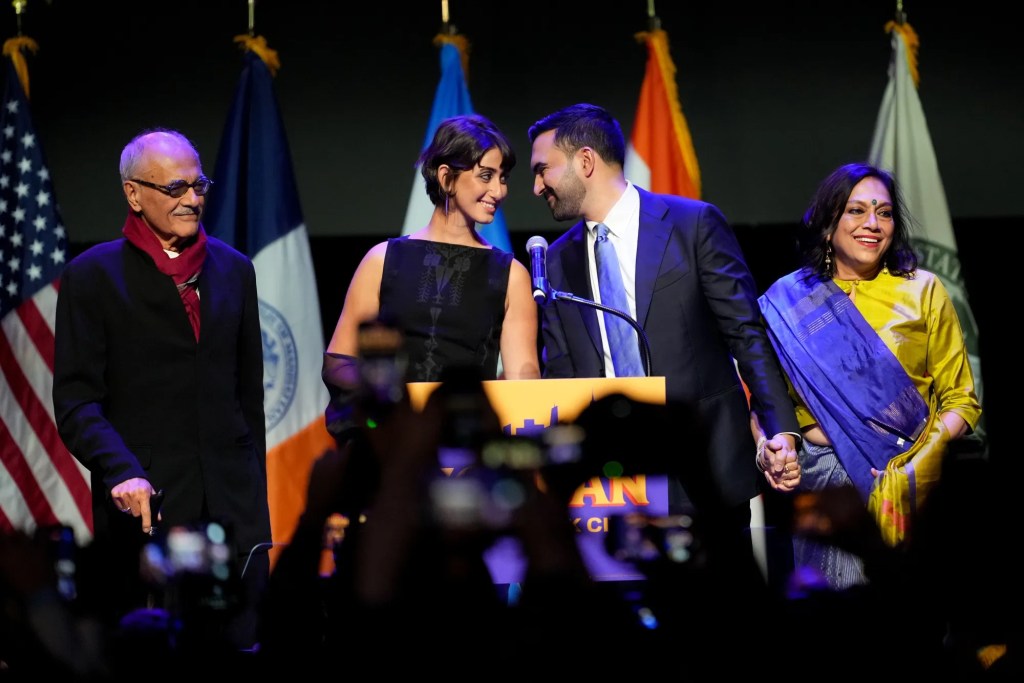
In a political climate that has felt increasingly cynical since 2016, Zohran Mamdani’s victory as New York City’s new mayor feels almost radical in its optimism. His win represents not just a political shift but a deeper cultural one, a reminder that politics can still be about hope, solidarity, and the everyday lives of ordinary people.
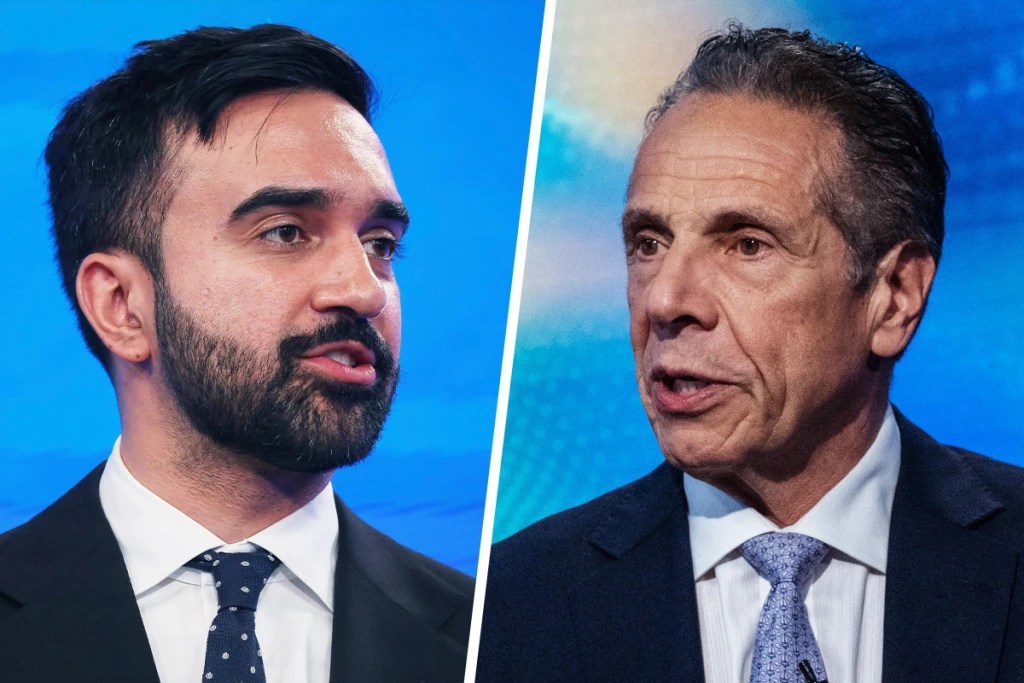
Mamdani, a 34-year-old democratic socialist and former state assembly member, swept to victory against establishment heavyweight Andrew Cuomo, becoming New York’s first Muslim mayor and one of the youngest in its history. His win is a symbolic rebuke of the Trump political era — one defined by fear, division, and the hollow theatre of populism. Instead, Mamdani’s campaign offered something quietly subversive: competence tied to compassion, and radical policy grounded in practicality.
The Antithesis of Post-2016 Politics
For nearly a decade, the political narrative, both in the US and beyond, has been one of personality over principle. Trump’s rise reshaped not just the Republican Party but the tone of politics everywhere, dragging discourse into a swamp of outrage and performative identity. Mamdani’s campaign, by contrast, refused to play that game.
He ran on a platform of rent freezes, free public transport, universal childcare, and city-owned grocery stores, policies that spoke directly to material conditions rather than abstract moralism. He built his base through genuine grassroots organising, uniting young voters, immigrant families, and working-class neighbourhoods across all five boroughs. While many politicians seek to “triangulate” between left and centre, Mamdani simply chose conviction over calculation.1
His victory speech, modest, forward-looking, and grounded in the language of solidarity, felt like the opposite of the sound-bite politics we’ve grown used to. He spoke of dignity, affordability, and belonging, not enemies or culture wars.
A Blueprint for Hope
Mamdani’s win is being hailed by many as a breakthrough moment for the left, and for good reason. It shows that unapologetically progressive politics can not only inspire, but also win. His campaign succeeded not because it softened its message, but because it connected moral clarity to economic urgency.
Where previous progressive movements sometimes fell into insularity or abstract idealism, Mamdani’s approach was local, tangible, and inclusive. His coalition reached across divides of class, race, and religion, showing that solidarity politics can still resonate when it’s rooted in shared material need.
It’s also a sign of how far the public mood may be shifting. After years of fatigue from polarisation and performative centrism, there is growing appetite for authenticity, leaders who not only critique inequality but articulate credible ways to dismantle it.
The Real Test Ahead
Of course, a victory in itself is not transformation. Mamdani now faces the colossal task of governing a city often hostile to radical change. New York’s entrenched power structures, from landlords to Wall Street interests, will not yield easily. The challenge for Mamdani, and for the left more broadly, will be to prove that idealism can survive contact with bureaucracy.
Yet even if his tenure meets obstacles, the symbolism of his win matters. It disrupts the fatalistic idea that politics must be ugly, corrupt, or purely transactional. It reminds people, in New York, and perhaps globally, that politics can still be about collective progress rather than personal power.
A Moment That Matters
Mamdani’s rise feels like the closing of one era and the tentative opening of another. Where the last decade was defined by reactionary anger, his victory reintroduces the possibility of politics as a tool for justice, imagination, and joy.
In a world still reckoning with the scars of Trumpism and the exhaustion of centrist compromise, Mamdani’s message is simple but powerful: politics doesn’t have to make us cynical. It can make us hopeful again.
My Opinion on this
I’ve been following Zohran Mamdani since the 2024 presidential election, long before his mayoral campaign began, and I can’t quite put into words how happy I am that he’s won. Because this isn’t just about one man, or one city. It’s about what he represents.
I’m not in New York. I won’t directly benefit from his policies or feel the effects of his administration. But that doesn’t matter. What matters is the symbolism, the proof that politics doesn’t have to be cynical, or cruel, or designed for the already powerful. For the first time in a while, it feels like something good has cut through the noise.
Since Trump’s rise in 2016, the political landscape has been warped by anger and division. Far-right rhetoric, once unthinkable, has become casual, almost normalised. We’ve grown used to leaders who weaponise fear and profit from chaos. Against that backdrop, Mamdani’s victory feels like a quiet revolution: not because he shouted louder, but because he spoke to people’s dignity instead of their rage.
And beyond policy, there’s something deeply significant about who he is. Mamdani being the first Muslim mayor of New York is astounding, not as a token of representation, but as a challenge to everything people have said was impossible. Too often, left-wing politicians who come from minority backgrounds face a double barrier: their ideas are branded “too radical,” and their identities are treated as liabilities. Kamala Harris’s presidential defeat in part revealed that ugly truth, that even within supposedly progressive electorates, race, religion, and identity still shape who is deemed “electable.”
So Mamdani’s win matters because it breaks that pattern. It proves that someone can be proudly left-wing, proudly himself, and still win, not despite those things, but because of them.
I think that’s what gives me hope. Not a naive, starry-eyed hope that everything will suddenly change, but the kind that says: maybe we’re not as lost as we feared. Maybe decency, conviction, and inclusivity can still resonate in politics. Maybe there is a way out of this long, cynical tunnel we’ve been walking through since 2016, maybe even before.
For the first time in a long time, it doesn’t feel naive to believe that.
The Catastrophe Unfolding in Sudan
The situation in Sudan has deteriorated sharply in recent weeks, with reports of large-scale atrocities emerging from the city of El Fasher in North Darfur. The conflict between the Sudanese Armed Forces (SAF) and the paramilitary Rapid Support Forces (RSF) has entered a new and devastating phase, raising fears of genocide and triggering renewed calls for international intervention.
What’s Happening
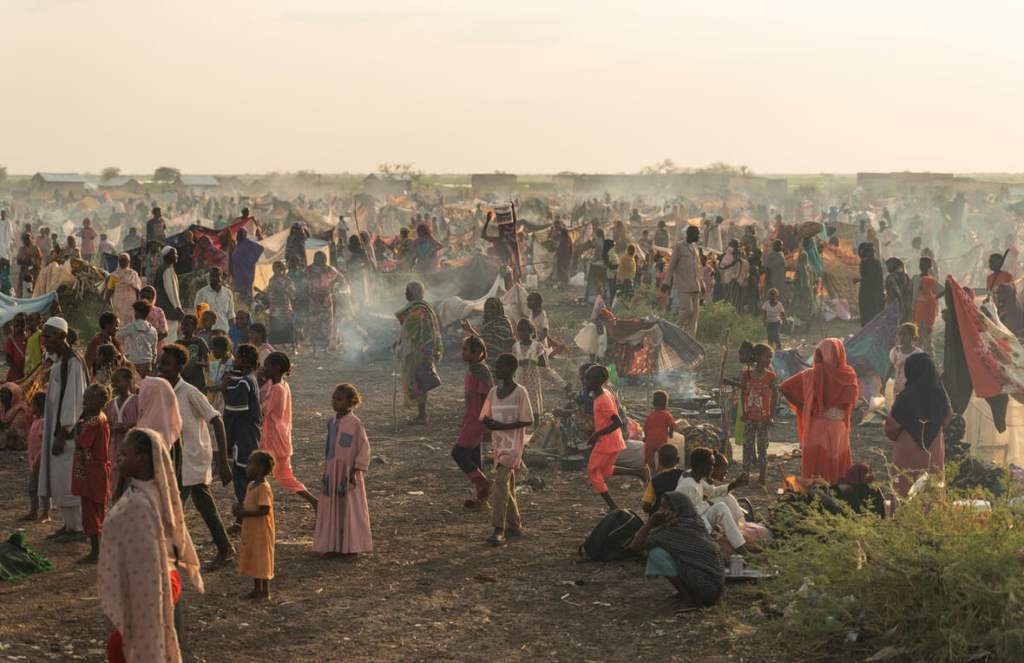
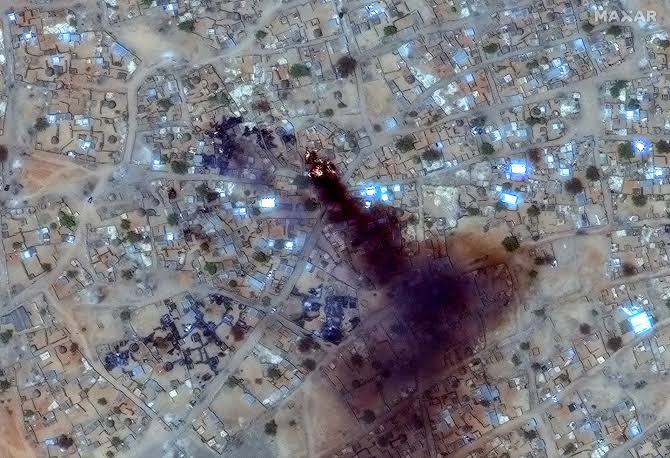
Since April 2023 the Sudanese army and the RSF have been locked in a bitter power struggle that has evolved into full-blown civil war. The RSF’s capture of El Fasher marks a gruesome escalation: the medical organisation in the region estimates at least 1,500 civilians were killed in the initial days of the takeover, with reports from rights groups pointing to mass graves, burn-marks on ground consistent with bodies incinerated, and executions of civilians including women, children and the elderly.
The United Nations Human Rights Office has warned that El Fasher has become a “city of grief” where atrocity risk indicators have passed routine levels and now verge on genocide. Beyond the killings, there are siege conditions, mass displacement, acute starvation, and medical care breakdown: in September alone at least 23 people, children and pregnant women among them, died of malnutrition there.
Why It Matters
This is not simply urban warfare; it is a campaign of systematic violence that appears to target civilian populations, especially non-Arab ethnic groups in Darfur, harking back to the region’s dark past of genocide in the 2000s. The RSF itself grew out of the Janjaweed militias which were implicated in that earlier genocidal campaign.
External Influences & Complicity
Compounding the horror is the role of external actors. The war in Sudan is not contained inside its borders, weapons, funding and strategic interest have poured in from abroad. The RSF is widely reported to benefit from the support of the United Arab Emirates (UAE), including arms, logistics and financial links through gold-mining revenues. Reuters reports that Sudan’s army accuses the UAE of supplying the RSF with advanced weaponry and mercenaries. Investigative reporting suggests that without that kind of external backing the war would likely have ended much earlier.
A Deepening Humanitarian Crisis
The United Nations describes Sudan as facing one of the worst humanitarian crises in the world today. More than ten million people have been displaced, the largest displacement crisis on record, and famine conditions are spreading rapidly. Aid agencies struggle to reach affected areas as access routes are cut off by fighting.
Despite recent reports that the RSF has agreed to a temporary ceasefire, scepticism remains high. Previous truces have failed within days, and neither side has shown a willingness to compromise
U.S. Government Shutdown Grounds Flights
The ongoing U.S. government shutdown, now entering its SIXTH week, has begun to severely disrupt air travel across the country and beyond. What started as a budget deadlock in Washington is now rippling through global aviation networks, as the federal agencies responsible for air traffic and security struggle to maintain operations without pay or adequate staffing.
What’s Happening?
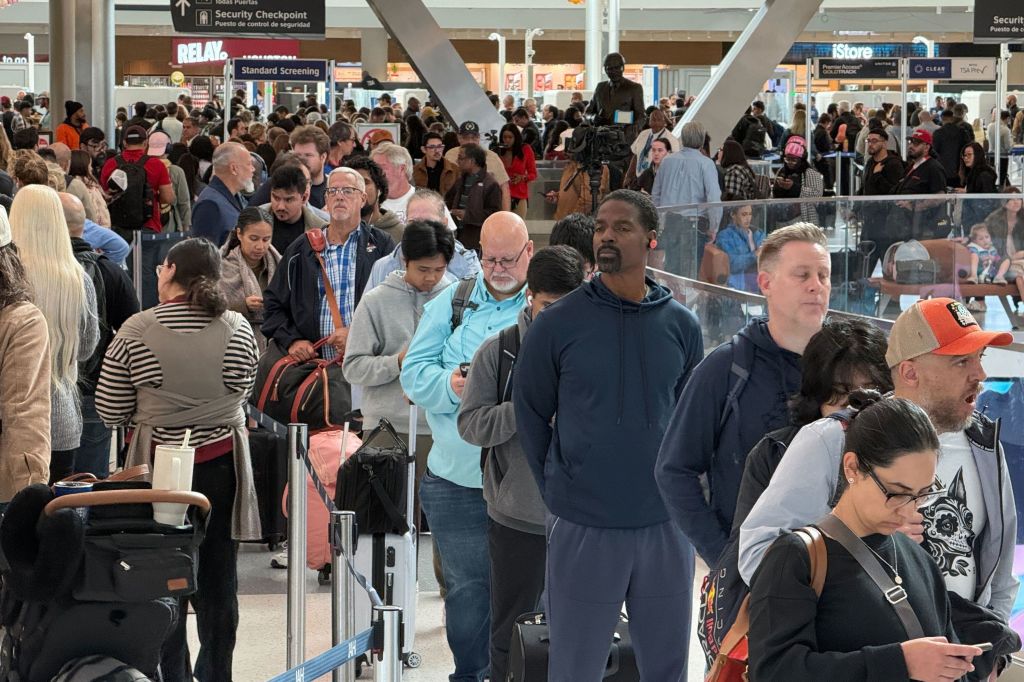
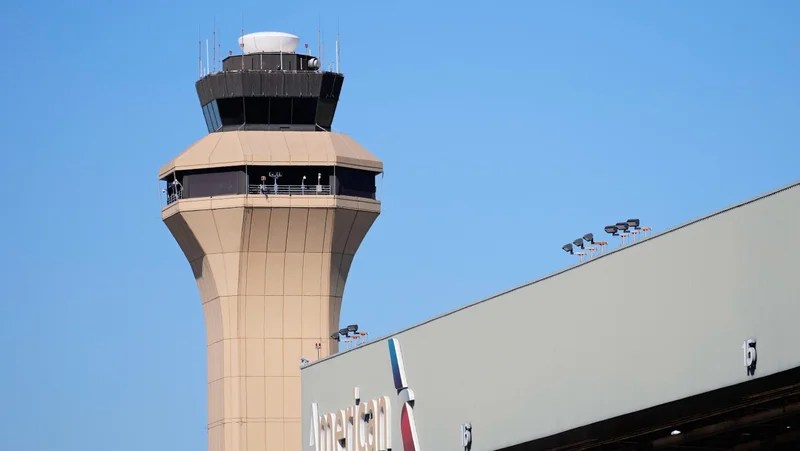
The Federal Aviation Administration (FAA) and Transportation Security Administration (TSA) are among the hardest hit by the shutdown. Tens of thousands of employees have been forced to work without pay, leading to widespread absenteeism and fatigue across critical sectors such as air-traffic control.
As a result, the FAA has reduced flight capacity at around forty major airports, with cuts expected to rise from 4 percent to as much as 20 percent if the shutdown continues. Airlines have already begun cancelling flights and trimming schedules to cope with the shortage of available controllers and ground staff.
Delays have cascaded through the system: more than 5,000 flights were delayed and over 1,000 cancelled in a single day last week, as bottlenecks in U.S. airspace worsened. While most of the impact is concentrated on domestic routes, the effects are being felt internationally as well. Arrivals from Europe, Asia, and Latin America are facing longer holding patterns and missed connections, and several carriers have temporarily reduced services to U.S. hubs including New York, Chicago, and Atlanta.
A Crisis Decades in the Making
The FAA’s staffing problems did not begin with this shutdown. Even before the budget impasse, the agency was short by an estimated 3,000 air-traffic controllers, a deficit that unions and safety experts have warned about for years. The shutdown has intensified the crisis, halting training and certification for new recruits while leaving existing staff overworked and underpaid.
The longer this continues, the greater the potential for long-term damage. Aviation analysts note that air-traffic management is highly sensitive to experience and continuity; losing trained personnel to burnout or attrition could take years to reverse.
The Political Backdrop
At its core, the shutdown stems from a standoff between Congress and the White House over federal spending priorities. With no budget resolution in sight, government agencies have been forced to operate in a state of suspended animation. For transportation, this has meant unpaid workers, suspended safety inspections, and a backlog of maintenance approvals.
President Trump’s administration has so far refused temporary funding measures proposed by congressional Democrats, framing the shutdown as a necessary confrontation over fiscal responsibility. Many, however, see it as a political gamble being paid for by federal employees and the travelling public.
Global Repercussions
For international travellers and airlines, the American gridlock has created knock-on effects far beyond U.S. borders. European and Asian carriers are facing schedule instability, while global supply chains reliant on air freight have slowed. Industry groups warn that continued disruption could cost billions in lost trade and tourism.
In the longer term, the crisis raises broader questions about the fragility of U.S. infrastructure and the vulnerability of global systems to domestic political dysfunction.
Other Global News this Week
Tanzania Cracks Down on Opposition After Disputed Election Turns Deadly
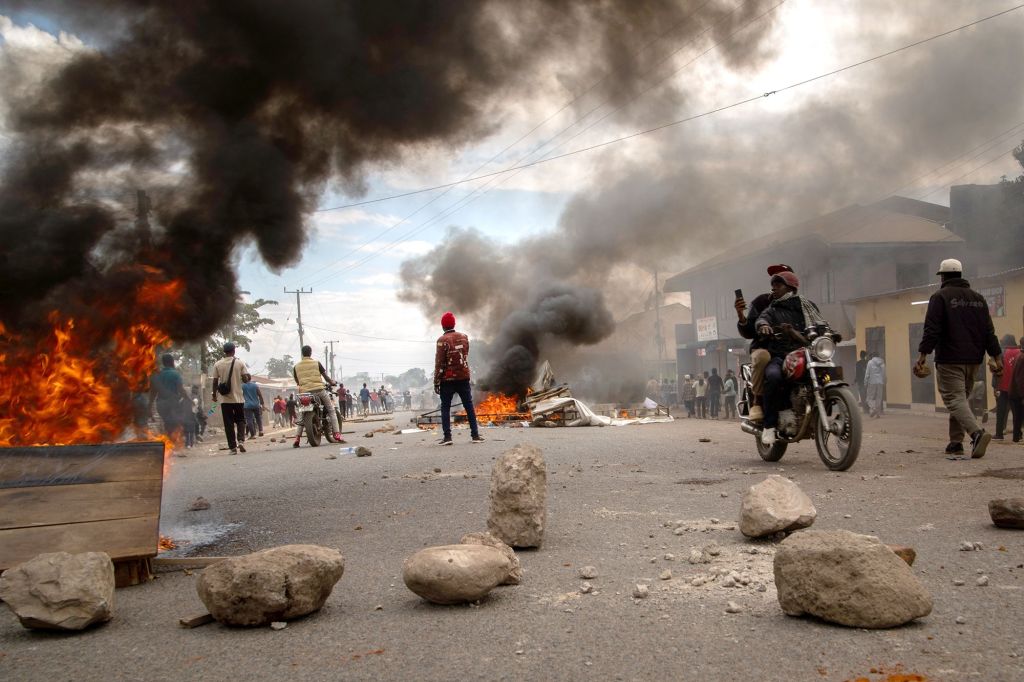
Tanzanian authorities have launched a sweeping crackdown on opposition figures following a disputed election that triggered deadly unrest. According to the main opposition party CHADEMA, security forces may have killed more than a thousand people during protests that erupted after the 29th October vote.
On 8 November police arrested Amani Golugwa, deputy secretary-general of CHADEMA, and have issued arrest warrants for at least nine others, including the party’s secretary-general John Mnyika and communications chief Brenda Rupia. Meanwhile, prosecutors have charged more than 200 individuals with treason and conspiracy in connection with the protests, offences that could carry the death penalty.
The election saw President Samia Suluhu Hassan declared the winner with nearly 98% of the vote, following the exclusion of major opposition candidates and widespread reports of ballot-box irregularities. In advance of the vote, human-rights monitors documented enforced disappearances, arbitrary arrests and significant restrictions on media freedom.
Protests broke out in several cities after the election results were announced. Police confirmed the unrest and property damage but did not publish casualty figures. The opposition, however, alleges that bodies were covertly disposed of and that security forces engaged in targeted killings, claiming the death toll could be far higher.
International observers, including the African Union, said the elections failed to meet basic democratic standards and cited systemic problems such as ballot stuffing, lack of genuine competition and an environment hostile to dissent.
As Tanzania enters this most volatile political moment in years, the sharply escalated legal and security offensive against opposition figures raises serious concerns about the future of pluralism and dissent in the East African nation.
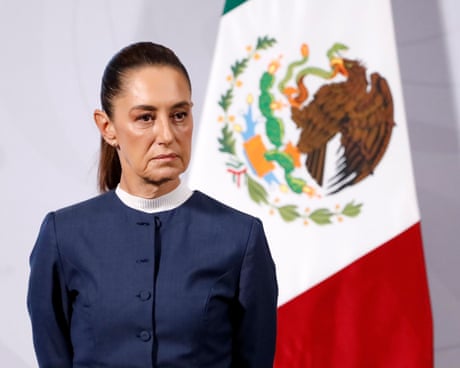
Iran Accused of Plot to Assassinate Israeli Ambassador in Mexico
Officials in the United States and Israel have alleged that Islamic Revolutionary Guard Corps (IRGC) operatives orchestrated a plan to assassinate Einat Kranz‑Neiger, Israel’s ambassador to Mexico. According to the allegations, the plot was conceived in late 2024 and remained active into mid-2025, before being thwarted.
The Israeli Foreign Ministry issued a statement thanking Mexican security services for intervening and halting what it described as “a terrorist network directed by Iran … against Israel’s ambassador in Mexico.” A U.S. official, speaking on condition of anonymity, said the plot no longer poses a current threat but warned that it fits into a pattern of IRGC targeting diplomats, journalists and dissidents abroad.
Details remain vague: neither the precise nature of the disruption nor how Mexican authorities were involved has been fully disclosed. Mexico’s Foreign and Security Ministries issued a joint statement stating they “have no report with respect to a supposed attempt” on the ambassador.
Iran, for its part, denied the allegations. The Iranian Embassy in Mexico characterised the accusations as “a media fabrication and blatant lie” intended to damage Iran-Mexico relations.
The reported plot highlights Latin America’s growing role as a theatre in global intelligence and proxy conflict. The alleged recruitment of agents via Iran’s embassy in Venezuela, and the involvement of a Quds Force unit reportedly known as “Unit 11000”, suggest a broad operational reach for Iran’s overseas activities.
For diplomats and international observers, the case raises pressing questions about the protection of foreign envoys, the use of regional embassies for clandestine operations, and the extent to which states like Iran are penetrating new geographies in their intelligence strategies.

Philippines Braces for Super-Typhoon as Evacuations Surge
The Philippines is grappling with the impact of Super‑Typhoon Fung‑wong, which has forced the evacuation of over one million people in northern parts of the archipelago.
The storm made landfall on Luzon, the country’s most populous island, bringing sustained winds of around 185 km/h and gusts up to 230 km/h. Coastal and low-lying areas, including Aurora, Catanduanes, and Albay provinces, were among the worst affected, with flooding, landslides, and storm surges reported.
Authorities confirmed at least two deaths so far, although the number is expected to rise as emergency teams reach isolated communities. Roads have been blocked by debris, homes submerged, and power and communications infrastructure disrupted. Hundreds of domestic and international flights have been cancelled, complicating relief efforts.
Fung‑wong struck just days after Typhoon Kalmaegi, leaving communities still recovering from flooding and damage. Meteorologists say the storm’s strength is part of a pattern of increasingly intense typhoons in the region, linked to warmer sea surface temperatures and higher atmospheric moisture.
As the storm moves inland, heavy rainfall continues to threaten landslides and further flooding. Officials have urged residents to remain in shelters until conditions stabilise. Emergency teams are working to reach the hardest-hit areas, but the full scale of damage remains unknown.
Super‑Typhoon Fung‑wong is a stark reminder of the ongoing challenges the Philippines faces in preparing for and responding to increasingly severe weather events.

From Washington Gridlock to Left-Wing Party Conferences
w/b 29th of September 2025: This week, the US government grinds to a halt amid clashes over public spending, Labour gathers in Liverpool for its annual conference, and the Greens celebrate new momentum at their 2025 meeting in Bournemouth.
Elsewhere, Moldova finally concludes its long-delayed elections after weeks of tension over alleged Russian interference and…

UN Drama, Trump’s Tylenol Claim, and Russia’s Largest Strikes Yet
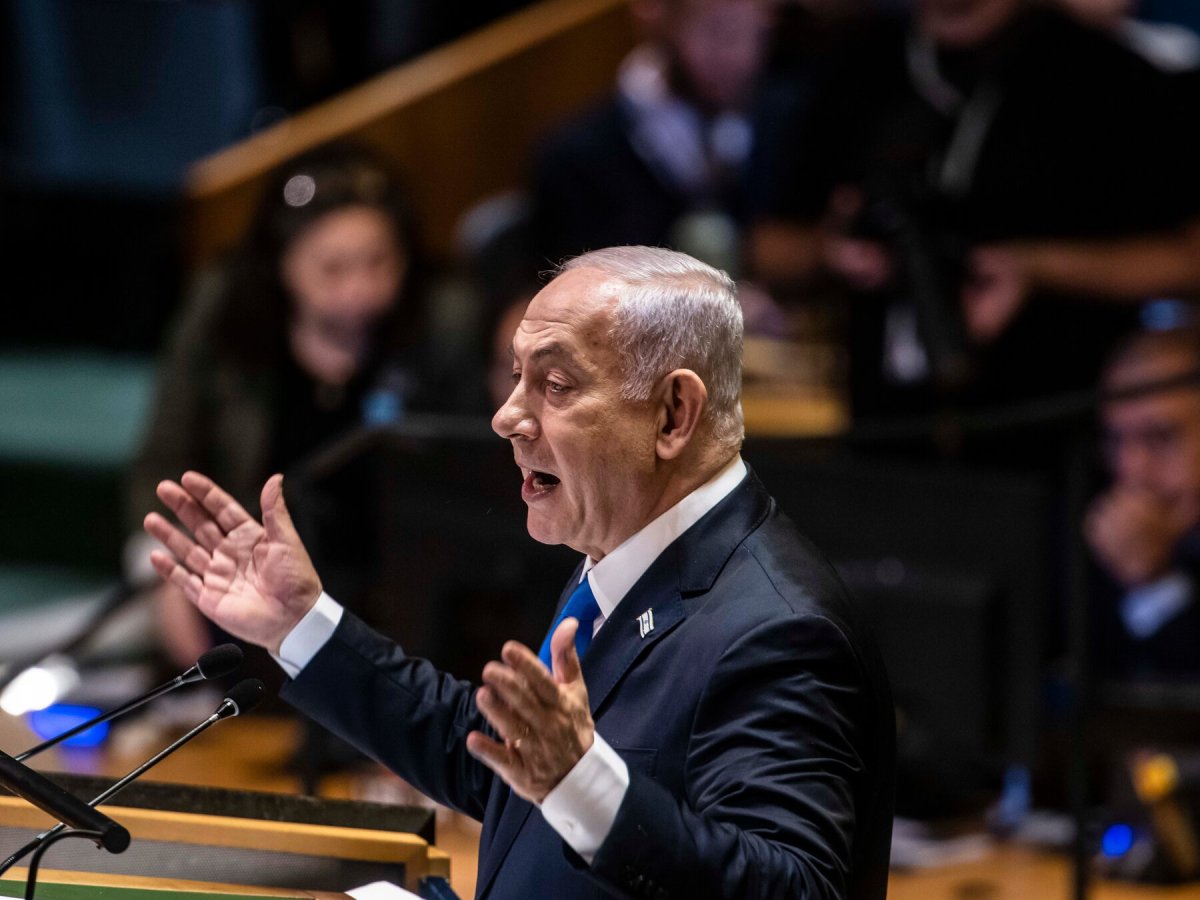
w/b 22nd of September 2025: This week saw dramatic turns on the world stage. Israeli Prime Minister Benjamin Netanyahu faced a mass walkout during his speech at the UN General Assembly in New York. In the U.S., President Trump made headlines once again with inflammatory claims, this time suggesting Tylenol causes autism, a condition widely…
Assassination, Protest, Collapse: A Tumultuous Week in Global Politics
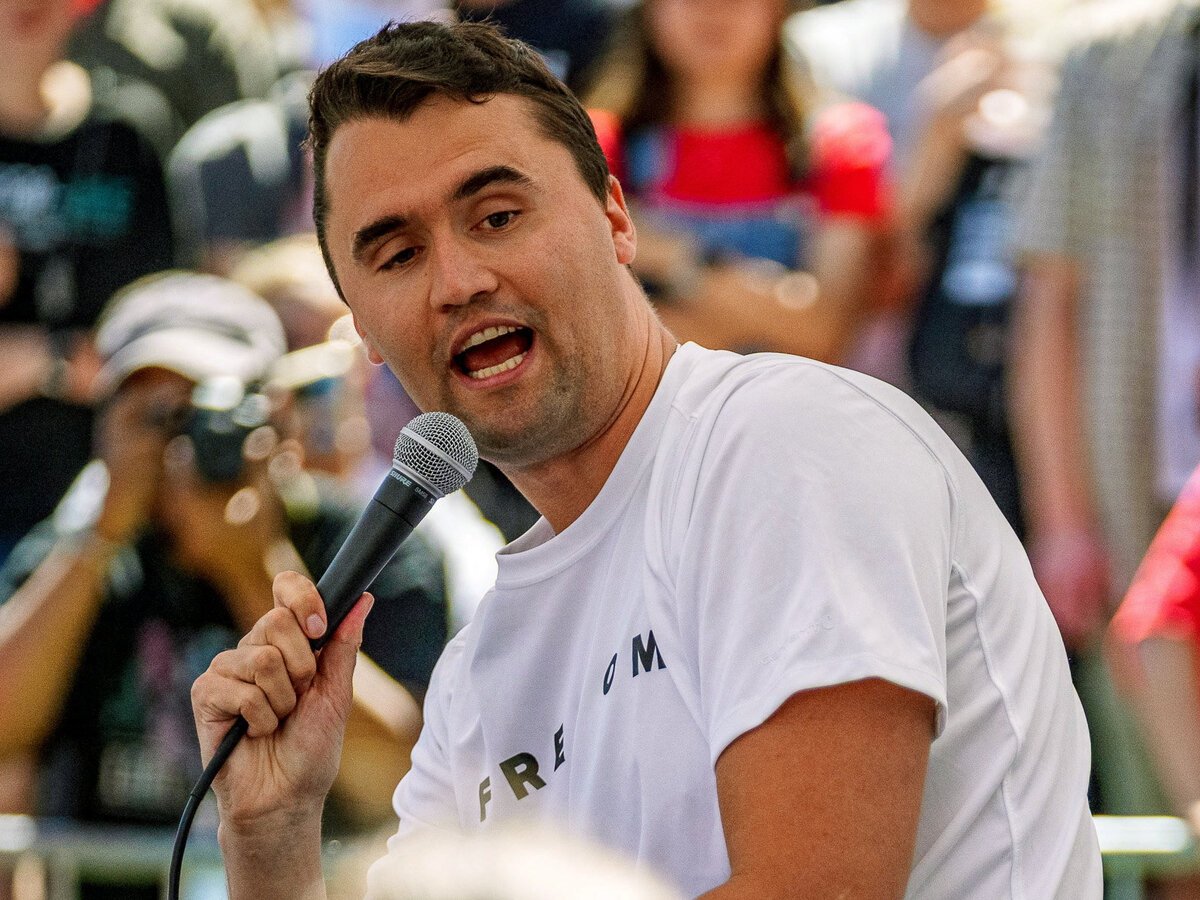
8th of September 2025 This week: the assassination of far-right commentator Charlie Kirk sends shockwaves through the US; anti-immigration protests erupt in London; and Nepal’s government falls after Gen Z fight back. Meanwhile, France faces a government collapse, the UN pushes back against Israel, and we examine how politicians are weaponising anti-LGBTQIA+ rhetoric to win…
Subscribe
Subscribe to get our the latest stories in your inbox.
 Reigniting Politics
Leave a comment