w/b 29th of September 2025
This week, the US government grinds to a halt amid clashes over public spending, Labour gathers in Liverpool for its annual conference, and the Greens celebrate new momentum at their 2025 meeting in Bournemouth.
Elsewhere, Moldova finally concludes its long-delayed elections after weeks of tension over alleged Russian interference and EU controversy, while the Global Sumud Flotilla is intercepted en route to deliver humanitarian aid to Gaza, sparking renewed international debate.
The U.S. Government Shuts Down (Again)
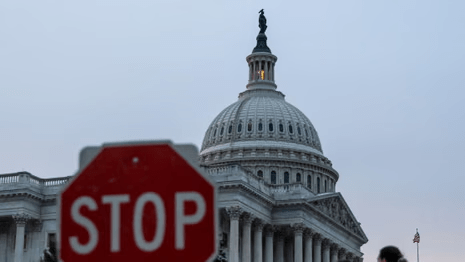
America’s government has hit pause… again. As of this week, large parts of the U.S. federal system have officially shut down after Congress failed to agree on how to fund it. It’s the latest in a long line of political stand-offs that have left hundreds of thousands of workers without pay, millions more uncertain about their services, and Washington looking like it’s trapped in a loop of its own making.
What Actually Is a Shutdown?
A “government shutdown” sounds dramatic, and it is. When U.S. lawmakers can’t pass a budget or even a short-term funding deal, federal agencies simply run out of legal authority to spend money. Anything deemed “non-essential” grinds to a halt: national parks close, passport applications pile up, and research projects are frozen.
Meanwhile, “essential” services, things like border control, air traffic management, and national security, keep running, but often with staff working unpaid. So while Congress argues, real people go without wages, and millions of others are left facing delays and disruption.
How Did It Happen This Time?
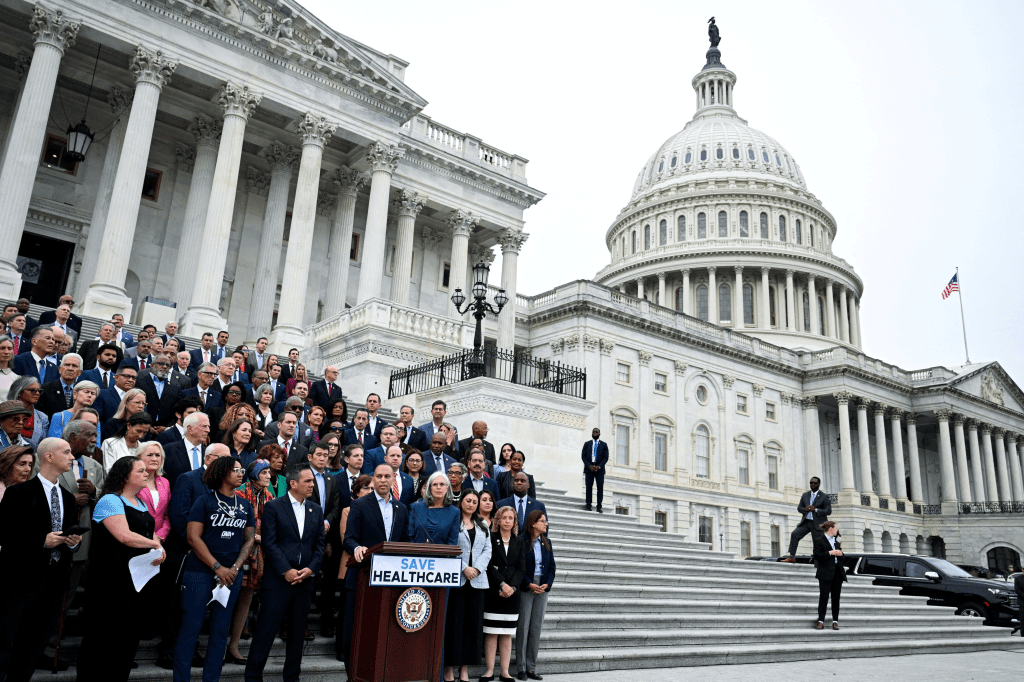
The 2025 shutdown began after a fierce dispute over spending priorities, especially around healthcare and social programmes. Republicans pushed for limits on federal health funding, while Democrats demanded protections for social welfare and insurance schemes. Both sides introduced their own temporary funding bills, and both refused to budge.
Sound familiar? That’s because it is. Shutdowns have become a near-regular feature of U.S. politics, used as a pressure tactic when parties can’t (or won’t) compromise. Each side claims the moral high ground, but the outcome is almost always the same: chaos for public workers and embarrassment for Congress.1
Who’s Feeling It?
The people most affected are the 800,000-plus federal employees suddenly told to stay home or work without pay. Contractors who depend on government projects may lose work altogether, with no back pay to make up for it. Beyond that, the shutdown trickles into everyday life, closed national parks, stalled loans, and slowed food inspections. It’s the kind of bureaucratic paralysis that reminds Americans just how dependent their daily routines are on the machinery of government.2
Why This Keeps Happening
This isn’t America’s first shutdown rodeo. Since the 1970s, the U.S. has seen around twenty of them, from the 1995 Clinton-era showdowns to Donald Trump’s 35-day border wall shutdown in 2018. Each time, the same question arises: how can the world’s “most powerful democracy” keep grinding to a halt over its own budget?
The answer lies in deep partisan polarisation. Congress has grown so ideologically rigid that even basic governance, like keeping the lights on, becomes an act of political theatre. Both parties fear appearing weak, and the result is paralysis.
Why It Matters
The latest shutdown might end with a late-night deal and plenty of finger-pointing, but it leaves lasting scars. Public confidence in American democracy continues to erode, government agencies lose time and money, and the rest of the world watches the U.S. flounder in gridlock.
For all the talk of global leadership, Washington can’t seem to lead itself. The 2025 shutdown is a reminder that in politics, pride can be far more expensive than compromise, and ordinary citizens are always the ones footing the bill.
Labour Party Conference 2025
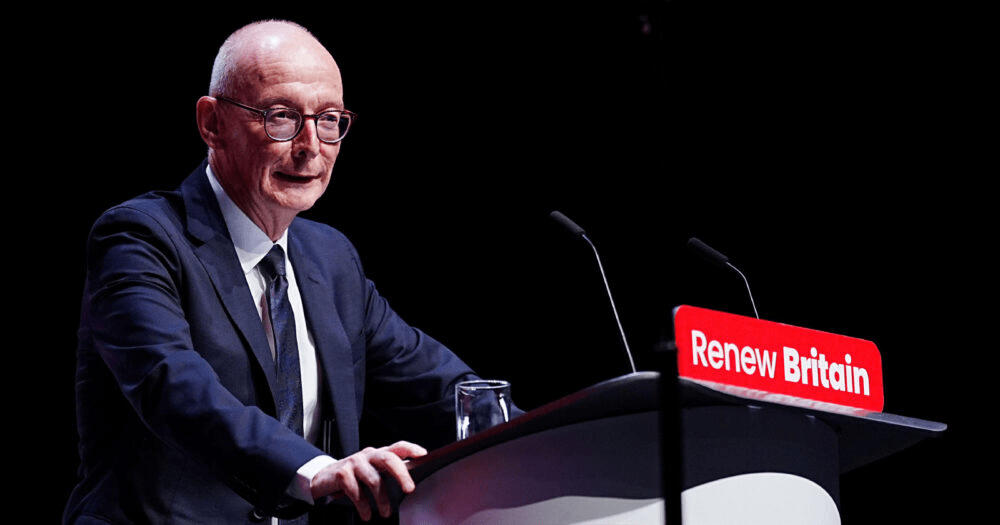
Labour’s 2025 Party Conference in Liverpool marked the party’s second gathering since its landslide victory in July 2024, and the mood was markedly different from last year’s triumphant celebration. With the honeymoon period over, all eyes were on Keir Starmer to outline what governing Britain under Labour truly looks like in practice. The result? A mix of ambition, caution, and quiet tension, the clearest sign yet that Starmer’s biggest challenge now lies not in defeating his opponents, but in managing the expectations of his own movement.
Starmer’s Key Message
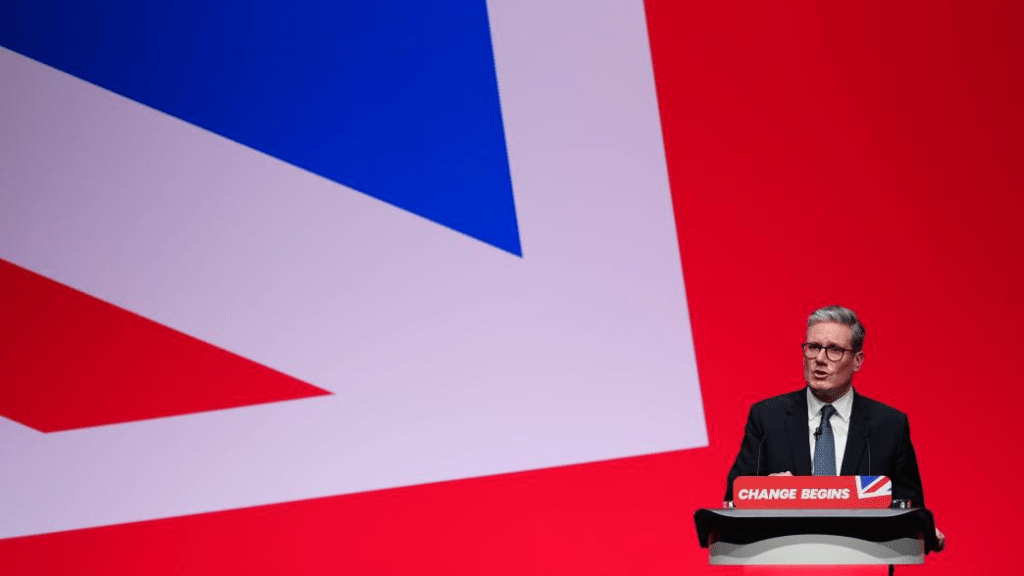
In his keynote speech, Keir Starmer went on the offensive, not against the Conservatives, but against Reform UK and Nigel Farage. Framing the next political battle as one for “Britain’s soul”, Starmer sought to pitch Labour as the party of stability, unity, and pragmatic patriotism. It was a strategic move designed to draw a line between Labour’s vision of competent government and Reform’s populist appeal.
But beneath the polished performance, there was a quieter message: this government will not make grand promises it can’t afford. Starmer admitted that upcoming decisions “won’t be cost-free or easy”, a nod to the economic constraints shadowing his first months in office.3
Cracks in the Conference Hall
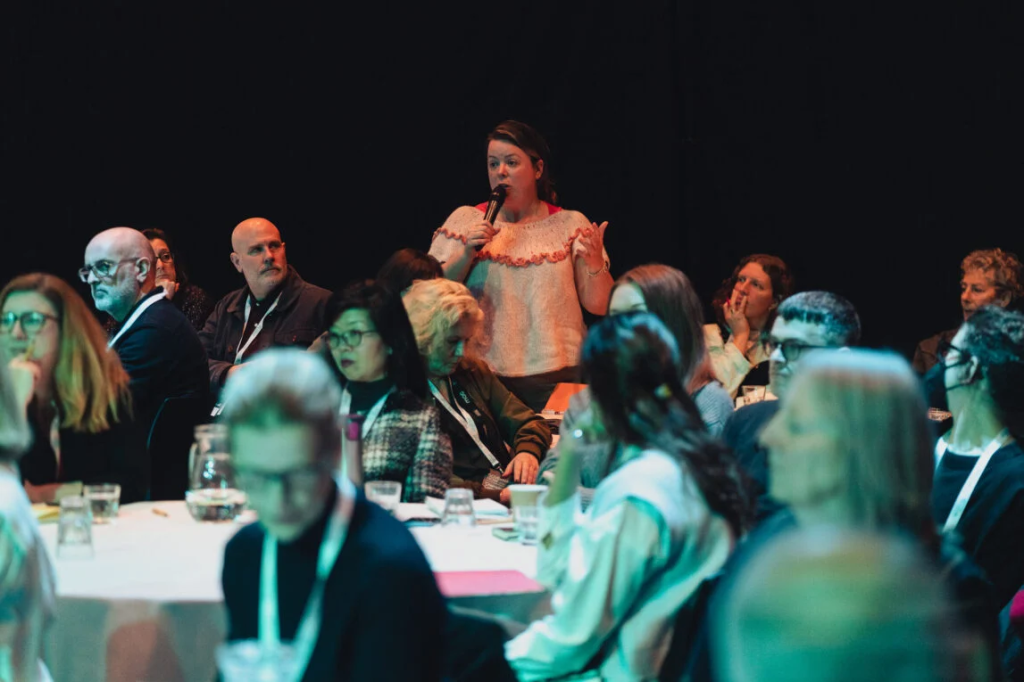
If Starmer hoped for a smooth first conference as Prime Minister, the membership had other ideas. Delegates voted in favour of recognising Israel’s actions in Gaza as genocide, a move that placed the leadership in a difficult position. The vote reflected growing frustration among grassroots members who feel Labour should take a stronger moral stance on foreign policy.
The leadership’s response was cautious, stressing that such determinations should be made through legal channels, not conference votes. It was a reminder of the old Labour tension: a left-leaning base pressing for principle versus a leadership determined to appear disciplined and diplomatic.4

The Fiscal Reality Check
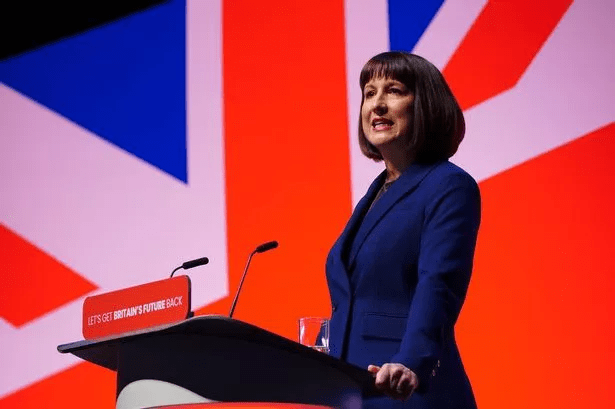
While there were plenty of soundbites about “renewal” and “national service”, the tone of the conference was one of financial realism. The government faces a tight fiscal landscape, and both Starmer and Chancellor Rachel Reeves hinted that some difficult choices are coming. Reeves reiterated her focus on stability and fiscal credibility, even if that means shelving expensive pledges for now.
It’s a pragmatic approach, but one that risks alienating parts of the party who expected faster change. Starmer’s challenge will be balancing economic caution with the need to show visible progress before the next election cycle.5
Policy Highlights
Beyond the speeches, there were early signs of Labour’s direction in government. Education policy returned to the spotlight with a pledge to restore maintenance grants for students. Housing and infrastructure took centre stage too, with talk of long-term planning reforms and regional regeneration.
The introduction of Darren Jones as Chief Secretary to the Treasury also signalled a push to “rewire the state” streamlining decision-making across departments to make government more efficient. It’s the kind of institutional reform few notice now, but which could define the success or failure of Labour’s term.
Looking Ahead
Liverpool gave Labour its victory lap, but also its first real test in government. The conference showed a party that’s confident but divided, ambitious yet constrained. Starmer’s team must now convert rhetoric into delivery, all while keeping both the party base and the wider public onside.
Labour wants to reshape Britain’s economy, rebuild its public services, and restore trust in government. But as the conference made clear, governing is far messier than campaigning. The applause fades quickly, and the hard decisions begin now.
The Green Party Conference
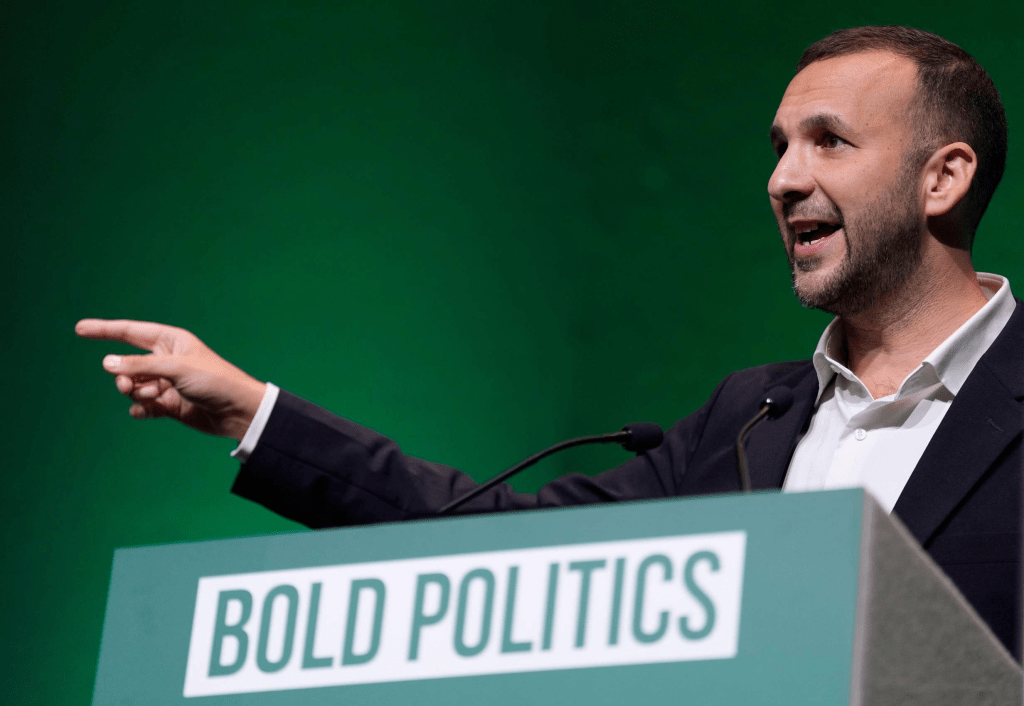
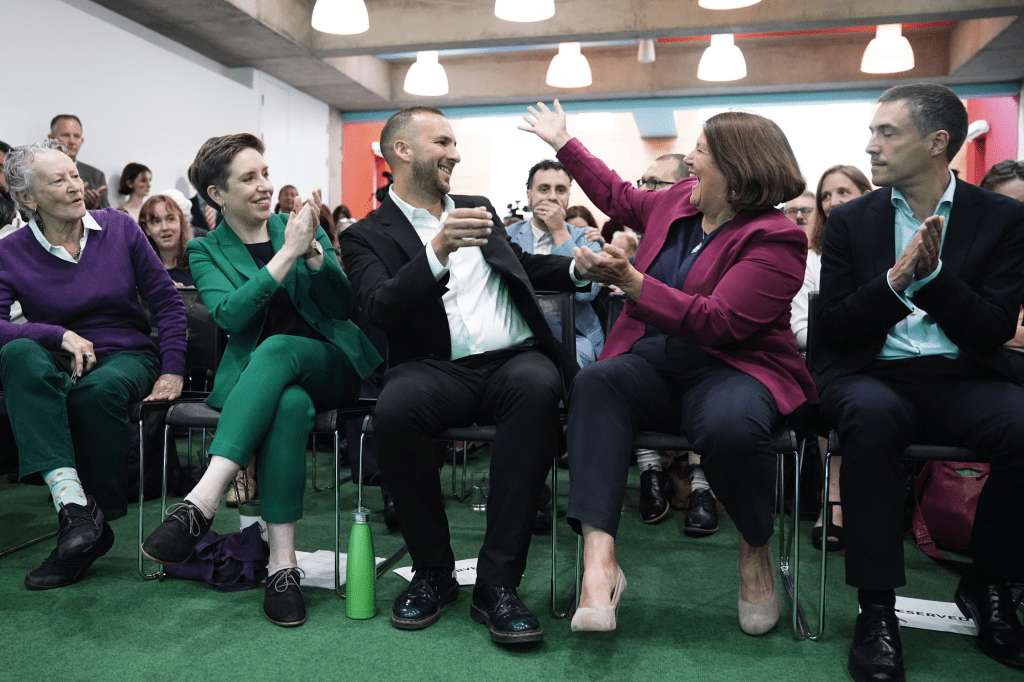
The Green Party’s 2025 Conference in Bournemouth saw leader the Green’s new leader, Zack Polanski, deliver one of his most forceful speeches yet, setting out the Greens as a bold and unapologetic voice on the left. With Labour still firmly in power, Polanski’s message was clear: the Greens won’t settle for being a moral conscience on the sidelines, they want to shape the national conversation.
Standing Up for Protest and Palestine
Polanski took direct aim at the government’s decision to proscribe Palestine Action, calling for the measure to be immediately withdrawn. He condemned it as an attack on democracy and the right to protest, arguing that the Labour government’s stance risks criminalising dissent. The speech was met with strong applause from party members, many of whom see civil resistance as central to the Green movement’s identity.6
Warning Labour About Farage
In one of the conference’s most headline-grabbing lines, Polanski accused Keir Starmer of “handing Britain over to Nigel Farage.” His warning came amid concerns that Labour’s rhetoric on immigration and security is edging closer to Reform UK’s populist framing. Polanski’s message: by trying to court right-wing voters, Labour could alienate the progressive base that brought them to power.7
The Greens’ Growing Momentum
Beyond fiery speeches, there was a sense of real momentum in the air. Membership has surged past the Liberal Democrats, and local organisers spoke of new energy across university campuses and climate campaigns. The party’s leadership hopes to turn that enthusiasm into more parliamentary seats, but Polanski was candid about the challenge ahead: growth will only matter if it translates into influence.
Final Thoughts
If last year’s conference was about rebuilding after Caroline Lucas’s departure, this year’s was about sharpening focus. Under Polanski, the Greens are embracing confrontation, with Labour, with power, and with political complacency. The question now is whether that sharpened identity will make the leap from protest to policy.
Other Global News this Week
Moldova’s Elections: A Clear Vote for Europe
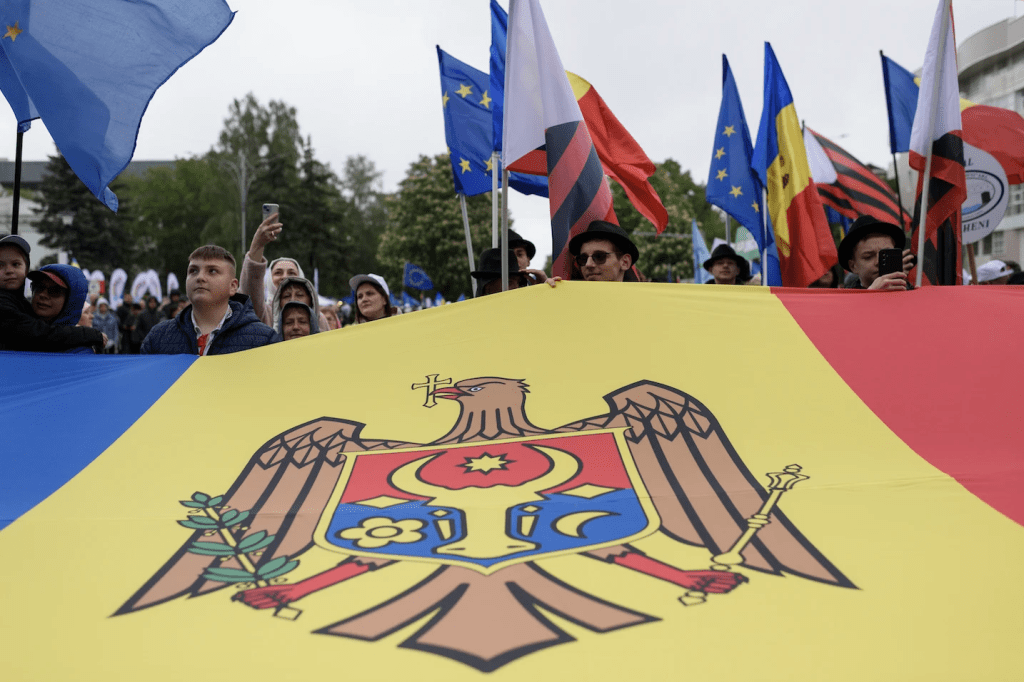
Moldova’s recent elections have sent a strong signal about the country’s future direction. In the parliamentary elections held on 28 September 2025, the pro-European Party of Action and Solidarity (PAS) secured a decisive victory, winning just over 50% of the vote. Their main rivals, the pro-Russian Patriotic Bloc, lagged behind with around 24%, leaving no doubt about the electorate’s preference for continued integration with the European Union.
The results follow a constitutional referendum in 2024, in which Moldovan citizens voted narrowly in favour of enshrining the country’s aspiration to join the EU. That vote was influenced heavily by Moldovans living abroad, who overwhelmingly supported EU accession. However, the process was not without controversy, as allegations of Russian interference, including attempts to influence votes, were widely reported and condemned by the government.
President Maia Sandu and her PAS party framed the elections as a choice between European integration and a return to closer ties with Russia. The victory provides a clear mandate for Sandu’s pro-European agenda and strengthens her ability to push forward reforms aimed at aligning Moldova’s institutions, economy, and legislation with EU standards.
The election outcome also carries wider regional significance. Moldova sits on the frontier between the EU and Russia’s sphere of influence, and its political trajectory has implications for stability, trade, and security in Eastern Europe. By electing a pro-European government, voters have signalled a commitment to democratic norms, economic reform, and closer alignment with the EU, despite internal challenges and external pressures.
In short, Moldova’s elections demonstrate a country at a crossroads choosing Europe. With a strengthened pro-European parliament and continued leadership under Maia Sandu, the path toward EU integration now has both popular backing and political momentum, even as the country navigates lingering challenges at home and abroad.8
The Gaza Flotilla and Allegations of Mistreatment
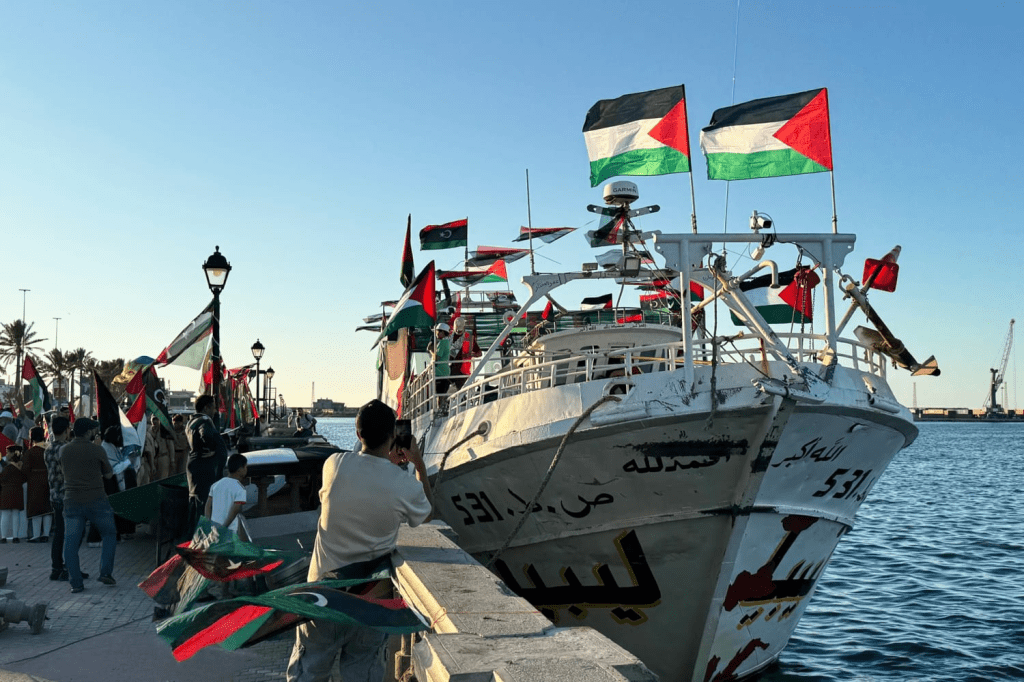
This week, the Global Sumud Flotilla, a coalition of around forty vessels carrying approximately 450 activists, attempted to breach Israel’s naval blockade of Gaza to deliver symbolic humanitarian aid. Israeli naval forces intercepted the flotilla in international waters, detaining many of those on board.
Following their deportation, several activists began speaking publicly about their treatment in Israeli detention. They described harsh conditions including the withholding of food, water, and medicine, sleep deprivation, humiliation, and physical intimidation. One Italian journalist reported being mocked, forced to kneel for hours, and denied medical care.
High-profile participants also shared their experiences. Greta Thunberg, who was among those detained, was reportedly dragged, forced to hold an Israeli flag, and kept in poor conditions. Another activist, from the United States, described a “five-day nightmare,” alleging psychological pressure, dog raids, and being forced into submissive postures.
Israeli officials have denied all allegations of mistreatment. The Foreign Ministry stated that detainees were treated “in accordance with the law,” and that all had access to food, water, legal counsel, and basic amenities. The government characterised the flotilla as a political provocation rather than a humanitarian mission.
The incident has sparked renewed international debate over the legality of Israel’s sea blockade of Gaza, which has long been criticised by humanitarian organisations for restricting essential aid. Supporters of the flotilla argue that it highlights the human cost of the blockade and the need for international accountability, while critics see it as a staged confrontation.
Whether the activists’ claims can be independently verified remains uncertain, but the flotilla has once again drawn global attention to the ongoing humanitarian crisis in Gaza and the deep divisions over how it should be addressed.9
Footnotes
- Brown, G. (2025). US Government shutdown: What Does It mean? [online] The Telegraph. Available at: https://www.telegraph.co.uk/world-news/2025/10/02/us-government-shutdown-and-what-happens-now/ [Accessed 12 Oct. 2025]. ↩︎
- Sky News (2025). US Government shutdown: What Does It Mean and Who Will It impact? [online] Sky News. Available at: https://news.sky.com/story/us-government-shutdown-what-does-it-mean-and-who-will-it-impact-13442000 [Accessed 12 Oct. 2025]. ↩︎
- Institute for Government (2025). Five Things the IfG Learned at the 2025 Labour Party Conference | Institute for Government. [online] Institute for Government. Available at: https://www.instituteforgovernment.org.uk/comment/2025-labour-party-conference [Accessed 12 Oct. 2025]. ↩︎
- Magee, C. (2025). UK Labour Party Members Vote to Recognise Gaza Genocide at Conference. [online] Al Jazeera. Available at: https://www.aljazeera.com/news/2025/9/29/uk-labour-party-members-vote-to-recognise-gaza-genocide-at-conference [Accessed 12 Oct. 2025]. ↩︎
- Maddox, D. (2025). Starmer Vows Labour Will Never Surrender Britain to ‘enemy’ Farage in Impassioned Party Conference Speech. [online] The Independent. Available at: https://www.independent.co.uk/news/uk/politics/keir-starmer-labour-conference-speech-nigel-farage-reform-b2836675.html [Accessed 12 Oct. 2025]. ↩︎
- Sky News (2025a). Palestine Action Proscription Must Be ‘withdrawn’, Says Green Party Leader Zack Polanski. [online] Sky News. Available at: https://news.sky.com/story/palestine-action-proscription-must-be-withdrawn-says-green-party-leader-zack-polanski-13443556 [Accessed 12 Oct. 2025]. ↩︎
- Walker, P. (2025). Starmer Will Hand Britain over to Farage, Says Green Party Leader Zack Polanski. [online] The Guardian. Available at: https://www.theguardian.com/politics/2025/oct/03/starmer-will-hand-britain-over-to-farage-says-green-party-leader-zack-polanski [Accessed 12 Oct. 2025]. ↩︎
- Rainsford, S. and Kirby, P. (2025). Moldova’s pro-EU Party Wins Vote Mired in Claims of Russian Interference. BBC News. [online] 28 Sep. Available at: https://www.bbc.co.uk/news/articles/cx2rdlj8ejgo [Accessed 12 Oct. 2025]. ↩︎
- Hume, T. (2025). More Gaza Flotilla Activists Allege Mistreatment in Israeli Detention. [online] Al Jazeera. Available at: https://www.aljazeera.com/news/2025/10/5/more-gaza-flotilla-activists-allege-mistreatment-in-israeli-detention [Accessed 12 Oct. 2025]. ↩︎
Historic Mayoral Victory, Sudan’s Civil War Escalates, and U.S. Flights Grounded
W/b 3rd of November 2025: This week (we ignore the fact that I haven’t written a post since September) saw historic and dramatic developments around the globe. Zohran Mamdani became New York City’s first Muslim mayor in a decisive victory, part of a wider wave of Democratic wins across the United States. In Sudan, the…

UN Drama, Trump’s Tylenol Claim, and Russia’s Largest Strikes Yet
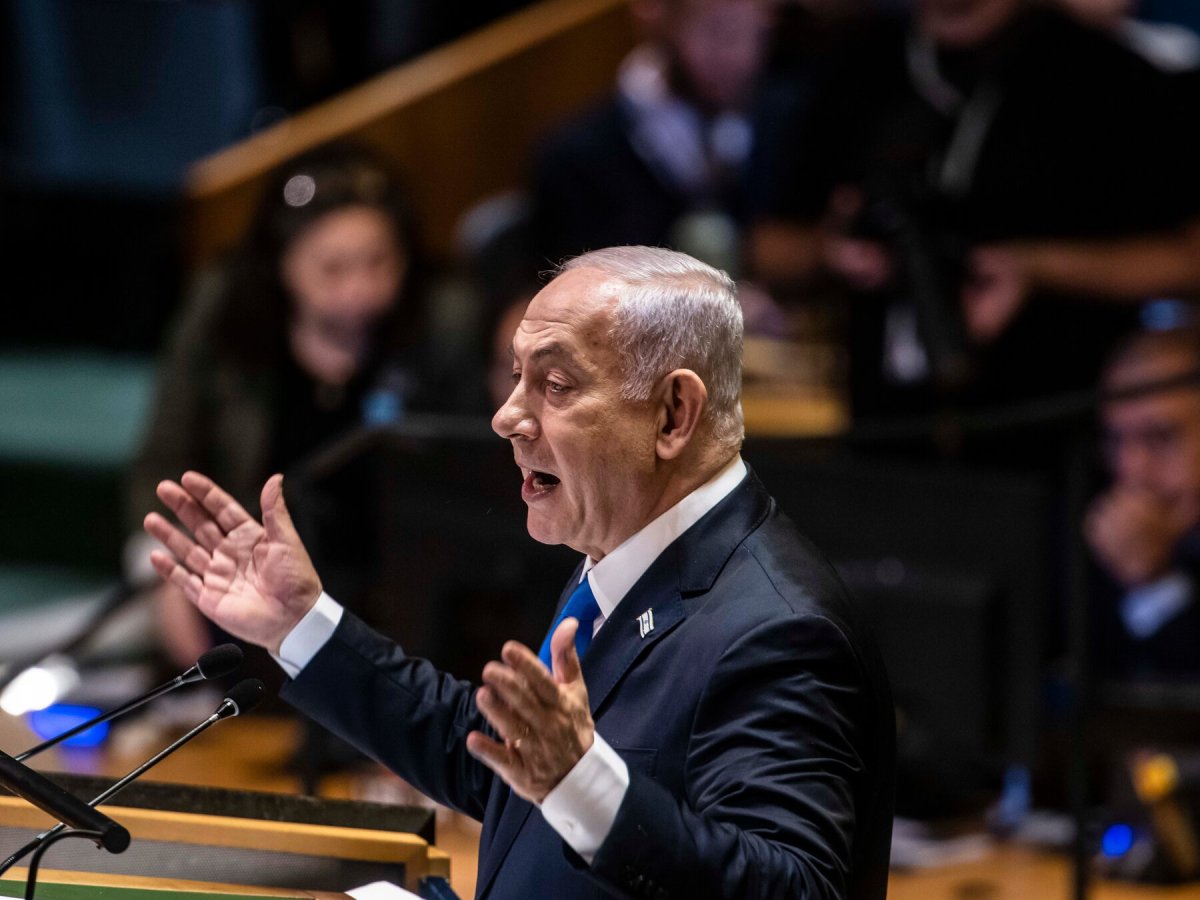
w/b 22nd of September 2025: This week saw dramatic turns on the world stage. Israeli Prime Minister Benjamin Netanyahu faced a mass walkout during his speech at the UN General Assembly in New York. In the U.S., President Trump made headlines once again with inflammatory claims, this time suggesting Tylenol causes autism, a condition widely…
Assassination, Protest, Collapse: A Tumultuous Week in Global Politics
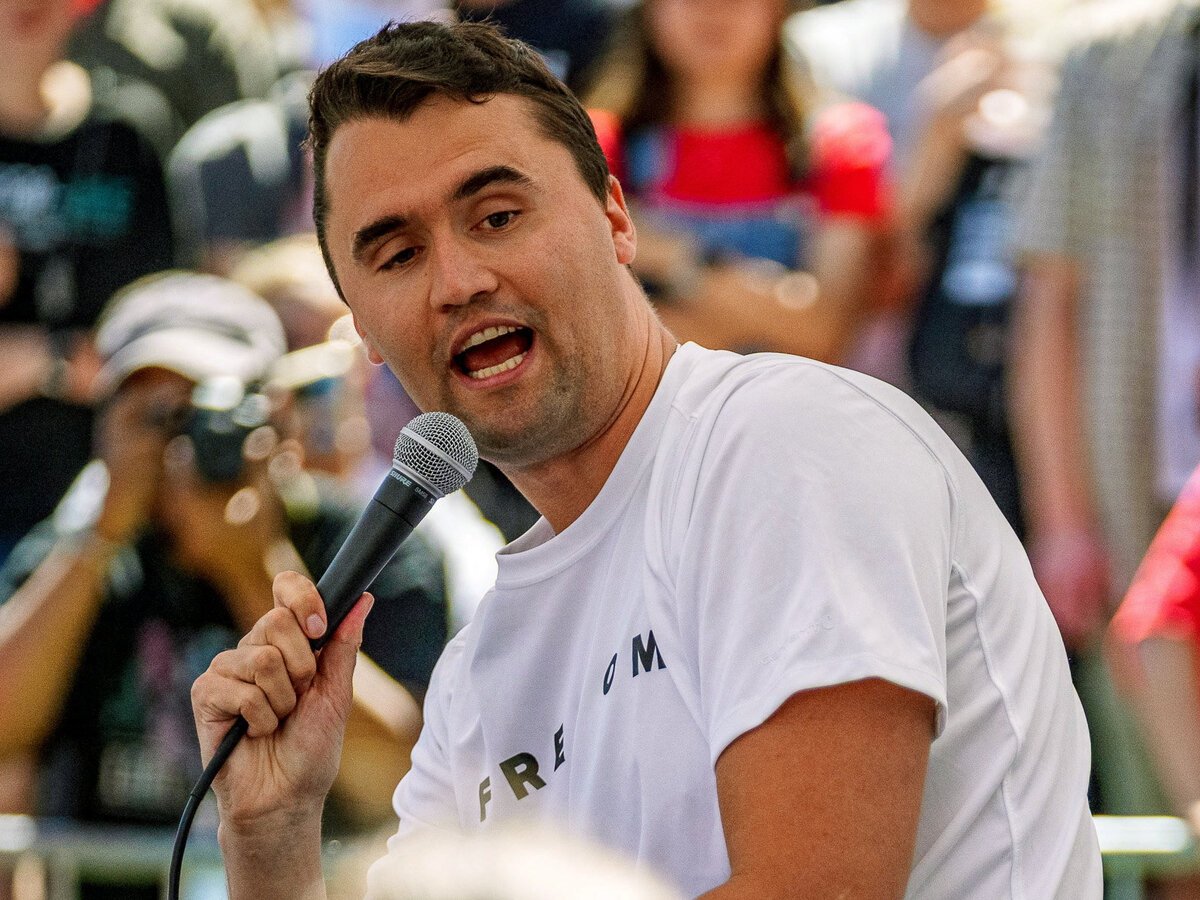
8th of September 2025 This week: the assassination of far-right commentator Charlie Kirk sends shockwaves through the US; anti-immigration protests erupt in London; and Nepal’s government falls after Gen Z fight back. Meanwhile, France faces a government collapse, the UN pushes back against Israel, and we examine how politicians are weaponising anti-LGBTQIA+ rhetoric to win…

Subscribe
Subscribe to get our the latest stories in your inbox.
 Reigniting Politics
Leave a comment