w/b 22nd of September 2025
This week saw dramatic turns on the world stage. Israeli Prime Minister Benjamin Netanyahu faced a mass walkout during his speech at the UN General Assembly in New York. In the U.S., President Trump made headlines once again with inflammatory claims, this time suggesting Tylenol causes autism, a condition widely recognised as genetic. Meanwhile, Ukraine endured one of the largest Russian missile and drone barrages since the war began.
Elsewhere, Madagascar’s government collapsed under the weight of youth-led protests, Greenland moved to significantly bolster its defences amid Arctic tensions, and Ecuador’s president narrowly escaped an attack on his convoy by demonstrators.
Netanyahu’s UN Speech
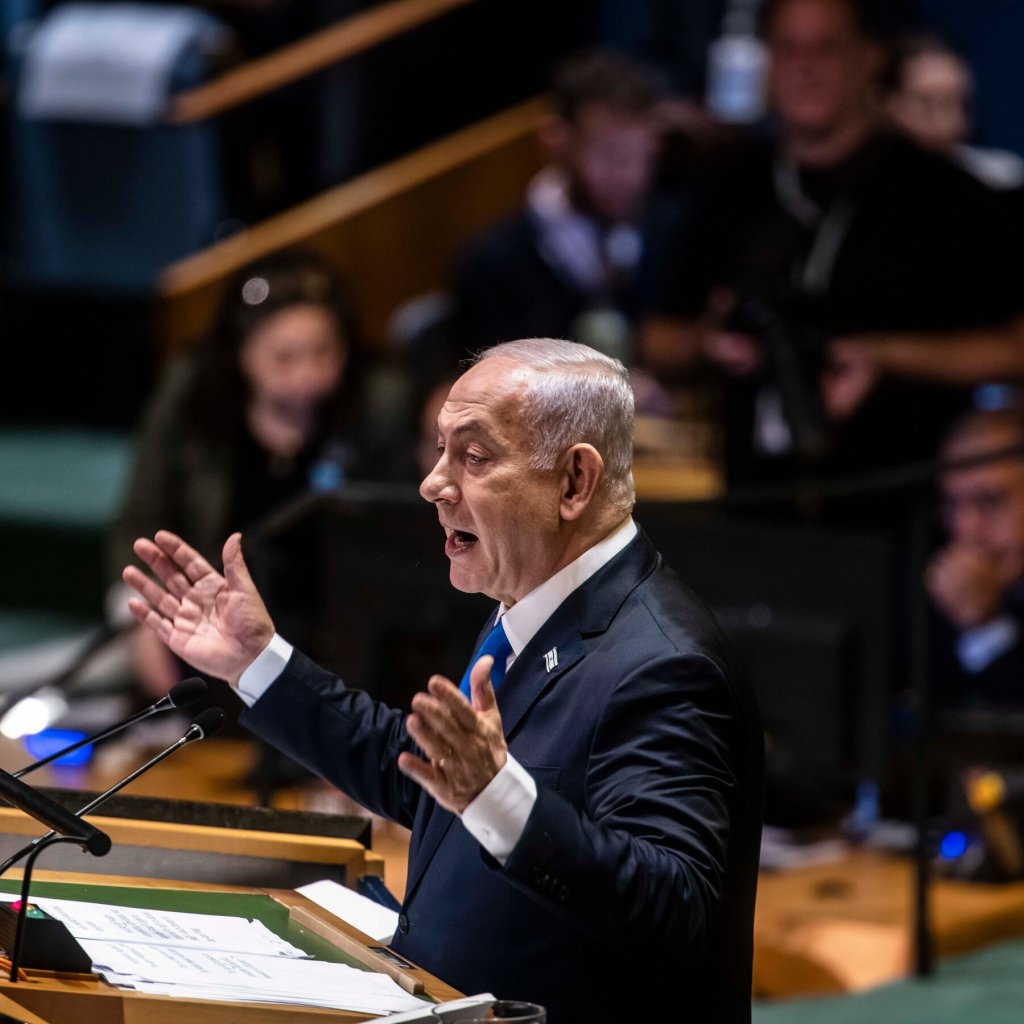
Last week, Israeli Prime Minister Benjamin Netanyahu delivered one of the most controversial speeches of the United Nations General Assembly. Against the backdrop of Israel’s ongoing war in Gaza, Netanyahu sought to defend his government’s military campaign, push back against accusations of genocide, and send a stark message to Hamas. Yet instead of projecting strength, his appearance was marked by dramatic walkouts, public protests, and widespread criticism.
What Netanyahu wanted to achieve
The speech was carefully designed to serve several purposes. Domestically, it was a show of resolve: a message to Israelis that their leader would not bow to international pressure. Internationally, it was an attempt to reframe Israel’s war as a fight for survival against terrorism. Netanyahu told delegates that Israel would “finish the job” in Gaza and urged Hamas to surrender and release hostages, insisting this was the only way to end the war immediately. He dismissed allegations of genocide, asking how a country could be accused of such crimes while repeatedly urging civilians to evacuate danger zones.
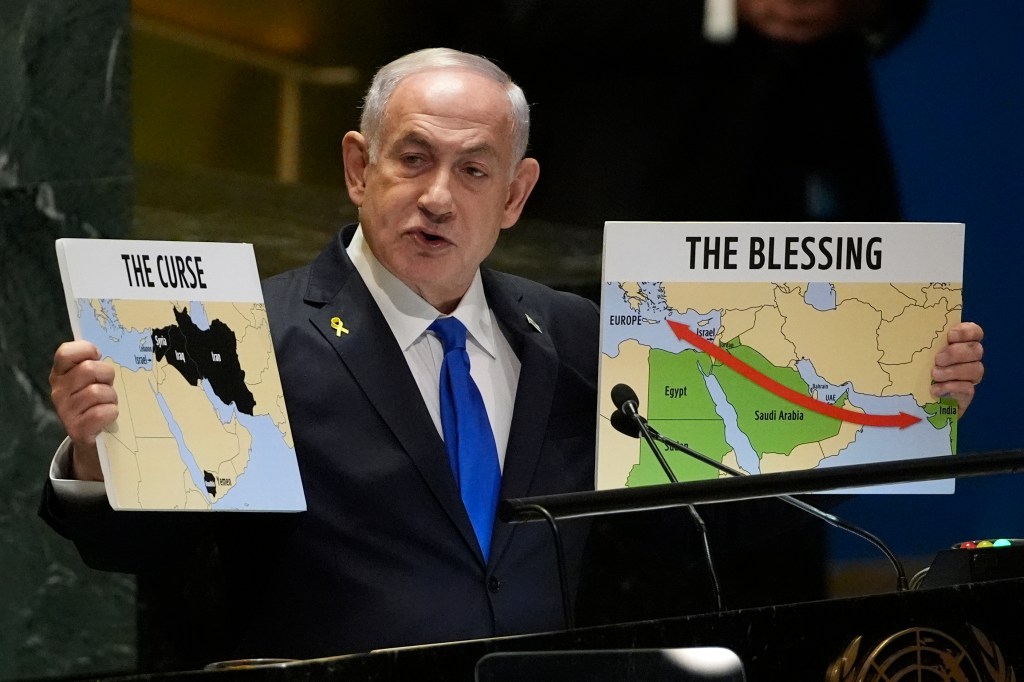
Netanyahu’s address was laden with theatrical elements. He held up maps, broadcast his message via loudspeakers, and even claimed his voice was being transmitted into Gaza through hacked phones. His language was uncompromising, warning Hamas fighters that if they did not lay down their arms, Israel would “hunt them down.”1
The walkouts
What overshadowed his words, however, was the response in the hall. As Netanyahu began to speak, dozens of diplomats rose from their seats and filed out. By the end, more than a hundred representatives from over fifty countries had walked out. The sight of empty rows of chairs during his address became the defining image of the moment.
For many delegations, the walkout was a symbolic act of protest. Some objected to Netanyahu’s framing of the conflict, accusing him of misrepresenting civilian suffering in Gaza. Others argued that giving him a stage at all legitimised actions they saw as indefensible. The exodus of diplomats was a coordinated reminder that large parts of the international community reject Israel’s narrative of the war.2
Controversial claims
Throughout his address, Netanyahu criticised recent moves by several Western countries to recognise Palestinian statehood, calling the decisions “insane” and warning that they handed victory to terrorists. He accused these same governments of hypocrisy, claiming that while they condemned Israel in public, they privately relied on its intelligence and security cooperation.
Fact-checkers quickly challenged many of his statements. Critics highlighted that despite Israel’s insistence that it takes unprecedented measures to avoid civilian casualties, independent reports show that the majority of those killed in Gaza have been non-combatants. Others noted that Netanyahu’s claim that the war could end instantly if Hamas complied ignored the repeated collapse of ceasefire negotiations, often with Israel playing a part in their failure.3
A message that backfired?
Rather than strengthening Israel’s global standing, the speech appeared to underline its growing isolation. Netanyahu may have hoped to rally international opinion or at least maintain the support of allies, but the optics of mass walkouts and widespread scepticism undermined that goal. His uncompromising stance may resonate with his domestic base, yet it risks further straining relations abroad.
In the end, Netanyahu’s UN speech was less about persuading the world and more about entrenching existing divides. For critics, it confirmed Israel’s unwillingness to change course; for supporters, it was proof of steadfast leadership. But the empty seats in the UN chamber may linger longer in memory than the words spoken from the podium.
My Opinion on This
Watching diplomats stream out of the UN chamber as Netanyahu began to speak was satisfying. For once, his words weren’t absorbed in silence as though they carried unchallenged authority. Instead, the absence of an audience told its own story. Empty chairs can sometimes speak louder than speeches, and this time they did.
But it would be a mistake to mistake symbolism for substance. A walkout, however dramatic, doesn’t stop bombs from falling. It doesn’t feed starving families in Gaza or give shelter to those sleeping among rubble. It doesn’t free hostages or deliver justice for those already killed. The gesture is important, but it’s theatre. Necessary theatre, perhaps. A public rebuke, a reminder that Israel’s narrative no longer goes unchallenged. Still, theatre alone is not enough.
If the international community is serious about confronting what’s happening, it must go beyond empty seats. Walking out of the chamber should mean walking away from complicity: ending arms deals that fuel the conflict, suspending the military and diplomatic cover that allows Israel to act with impunity, and imposing consequences for violations of international law. Anything less risks turning walkouts into little more than photo opportunities, a way to appear outraged without taking responsibility.
The danger here is self-congratulation. Governments can pat themselves on the back for symbolic protests while continuing to underwrite the very war they claim to oppose. They send strong messages in New York while quietly signing contracts, renewing intelligence-sharing agreements, or abstaining from votes that could bring real accountability. In that sense, empty seats can become a shield, not against Netanyahu, but against genuine political courage.
And yet, the walkouts matter. They signal that Netanyahu is no longer guaranteed a friendly stage. They fracture the illusion that Israel’s narrative dominates global forums. They chip away at the image of inevitability that his government tries to project. For a leader who thrives on projecting strength, being met with absence is a humiliation. But humiliation is not policy.
The real test is whether these gestures translate into change. Recognition of Palestinian statehood, the suspension of arms sales, accountability through international courts, these are the measures that would match the moral outrage displayed in New York. Without them, the spectacle of diplomats leaving the room becomes a hollow ritual, one that makes no difference to the families burying their dead.
So yes, I’m glad it happened. I’m glad Netanyahu’s speech will be remembered not for his props and rhetoric but for the visual of rows of empty seats. But we cannot confuse relief with resolution. Gaza doesn’t need symbolic protests; it needs protection. It needs international law to mean something. It needs those who claim to defend human rights to back their words with action.
Until that happens, the walkouts will remain just that: a gesture, striking, memorable, but ultimately insufficient against the scale of the crisis. Empty seats make a statement. Only concrete action can make a difference.
Trump Revives Tylenol-Autism Theory
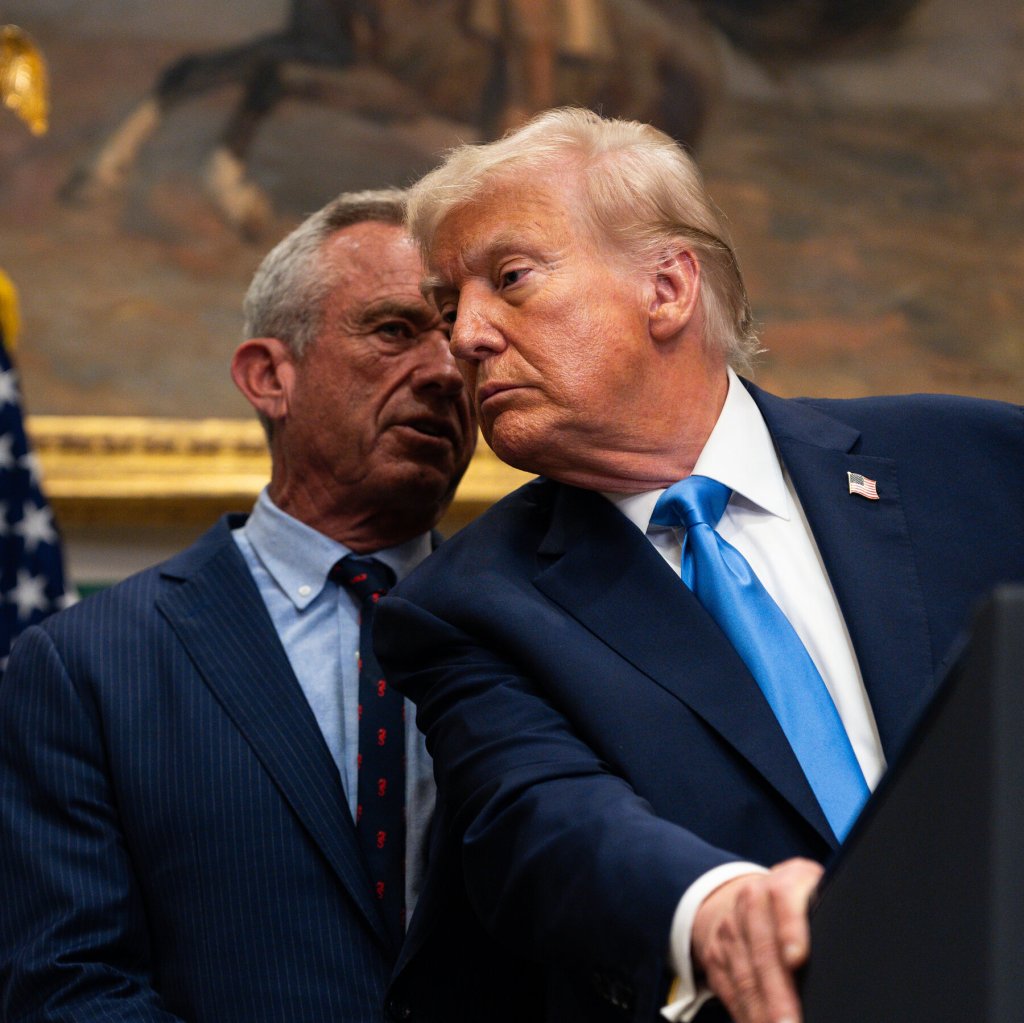
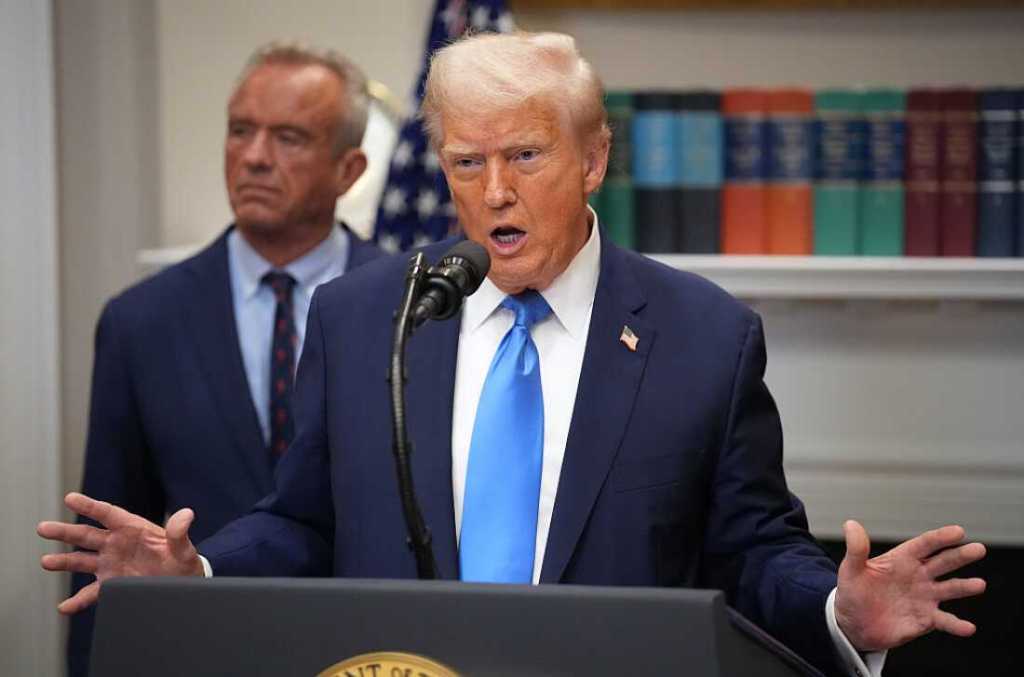
Last week, President Donald Trump renewed controversial claims linking the use of Tylenol (acetaminophen) during pregnancy to autism in children, urging expectant mothers to avoid the drug unless “absolutely necessary.” He also raised questions about standard childhood vaccination schedules and promoted alternative treatments, including leucovorin, despite limited scientific support.4
Medical Community Pushback
The announcement drew immediate criticism from doctors and public health experts. Leading obstetric and pediatric organisations condemned the claims as “irresponsible,” warning that discouraging the use of acetaminophen could put pregnant women at risk if they fail to treat pain or fever appropriately. Experts emphasised that untreated fevers in pregnancy can themselves pose risks to fetal development.
Several large-scale studies, including one covering millions of children in Sweden, have found that associations between prenatal acetaminophen use and autism largely disappear when genetic and environmental factors are accounted for. Specialists note that autism arises from a complex mix of genetics, maternal health, and environmental factors, making simple cause-and-effect claims misleading.
Public and Political Implications
The statements were widely viewed as politically motivated, coming alongside health officials aligned with Trump and without consultation with key agencies like the Centers for Disease Control and Prevention. The claims drew both praise from some parents and anti-vaccine advocates, and alarm from medical professionals and pregnant women seeking reliable guidance.
Pharmaceutical companies also responded, emphasising that acetaminophen remains safe when used as directed during pregnancy. Experts warned that discouraging its use could result in untreated pain or fever, which carries its own risks for both mother and child.
The episode underscores the dangers of politicising medicine. Sensational claims about complex medical issues risk eroding trust in public health guidance and can have real-world consequences, particularly for vulnerable populations. While Trump’s announcement made headlines, health authorities insist that acetaminophen continues to be one of the most widely recommended medications for pain and fever in pregnancy, and that current research does not support a causal link with autism.5
Russia Launches Massive Drone and Missile Strike
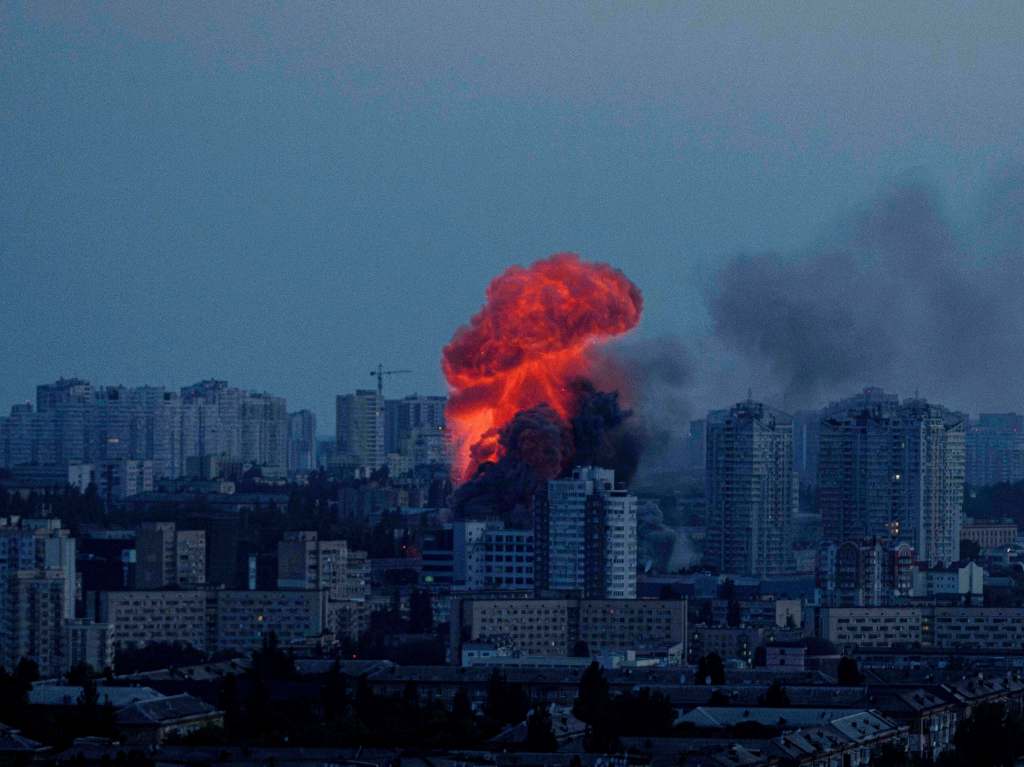
Ukraine faced one of the largest air assaults of the war last weekend, as Russian forces launched a massive wave of drones and missiles across the country. At least four people were killed, including a 12-year-old girl, and more than 70 others injured, according to Ukrainian officials.
Scale of the Attack
The strike began late Saturday and stretched into Sunday morning, lasting over 12 hours. Ukraine’s Air Force reported that Russia launched 595 drones and 48 missiles. Most were intercepted, with 568 drones and 43 missiles destroyed, but the sheer volume allowed several to break through.
Kyiv was the primary target, though strikes were recorded in 11 regions. Residential blocks, a cardiology clinic, and municipal services were hit, leaving hundreds without shelter or electricity. Emergency services said over 100 civilian sites were damaged nationwide.6
Civilian Impact
In Kyiv, residents described being shaken awake by blasts. Windows shattered across multiple districts, and fires spread through apartment blocks. Local authorities said at least 30 children were among the injured across the country.
More than 1,500 emergency responders were deployed, clearing rubble and rescuing survivors. In the Zaporizhzhia region, dozens more were wounded, highlighting how widespread the damage was.


Russia’s Justification and Global Reaction
Russia’s defence ministry claimed the strikes were aimed at “military-industrial facilities and airfields,” insisting all designated targets were hit. Ukraine rejected this, pointing to the civilian toll and accusing Moscow of deliberately terrorising population centres.
International reaction was swift. Poland scrambled fighter jets and temporarily restricted airspace near its border with Ukraine. NATO and EU leaders condemned the attack, calling it a reminder of Russia’s disregard for international law. Ukrainian President Volodymyr Zelensky urged partners to accelerate deliveries of advanced air defence systems.
Strategic Context
Analysts suggested the scale of the attack was meant to stretch Ukraine’s already limited air defence resources. While Kyiv has repeatedly downed the majority of Russian drones and missiles, sustained assaults test its ability to protect cities while defending the front line.
The timing, just after the UN General Assembly in New York, was also noted by diplomats, who said Moscow was signalling its defiance of international pressure.
Looking Ahead
For civilians in Kyiv, the aftermath was grim: homes reduced to rubble, hospitals overwhelmed, and families grieving. Officials warned more strikes could follow as Russia intensifies pressure ahead of winter.
Zelensky vowed that Ukraine would rebuild, but reiterated that without stronger support from allies, the country remains vulnerable. “Air defence saves lives,” he said, “but every delay costs us more.”
The strike was a stark reminder that while the world debates the future of the conflict, Ukraine continues to endure devastating attacks at home.
Other Global News this Week
Madagascar Government Dissolved Amid Explosive Youth Protests
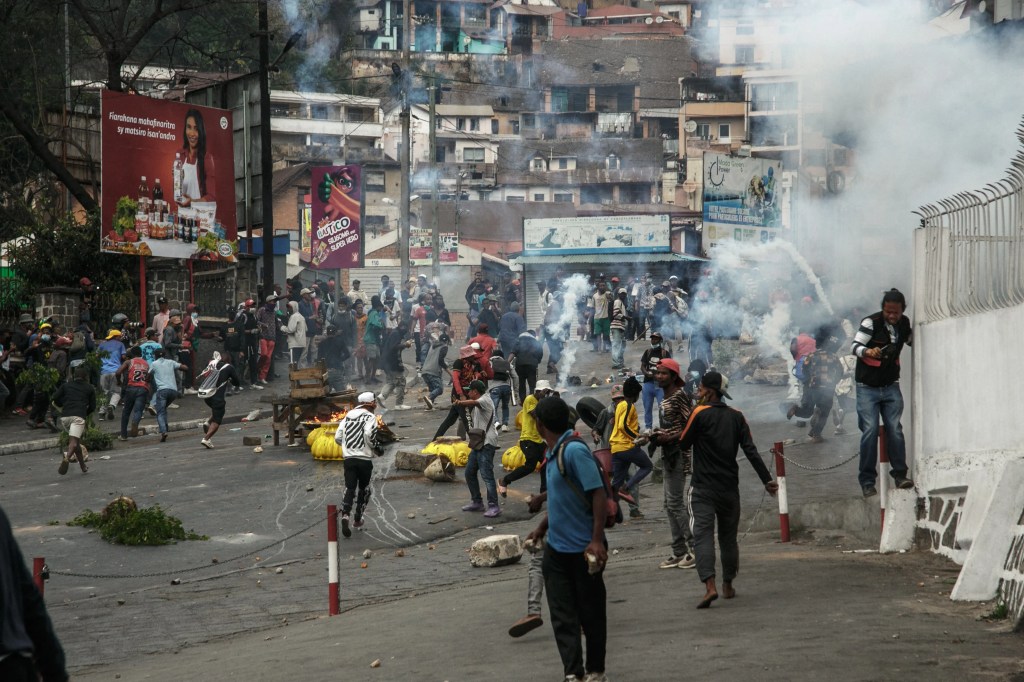
Madagascar’s President Andry Rajoelina announced on September 29 that he is dissolving the government in response to sweeping Gen-Z–led protests sparked by chronic water and electricity outages. The ousting of Prime Minister Christian Ntsay and his cabinet marks one of the most volatile political moments in the country in years.
The protests, driven primarily by young people, erupted after prolonged service disruptions pushed frustration to breaking point. Demonstrators demanded reliable access to power and water, but soon their slogans broadened to include calls for government accountability and leadership change.
In the capital Antananarivo, tens of thousands marched through city streets. Clashes between protesters and security forces led to dozens of injuries, and United Nations estimates put the death toll at 22, though the government strongly disputed those figures.
In his televised address, President Rajoelina acknowledged failures in governance, apologised for the suffering of citizens, and said the dissolution would open space for dialogue with youth. He invited applications for a new prime minister and pledged to form a fresh cabinet in the coming days. He made clear, however, that he did not plan to step down himself.
Security forces had already imposed dusk-to-dawn curfews and deployed tear gas and rubber bullets to crack down on the unrest.
Observers see Rajoelina’s decision as a tactical move to defuse mounting pressure without ceding control. By dissolving the government, he seeks to reset the political narrative and recalibrate authority in a moment of crisis. But for protesters demanding deeper reform and structural change, the gesture may be viewed as cosmetic.
Greenland Boosts Defences Amid Rising Geopolitical Pressure
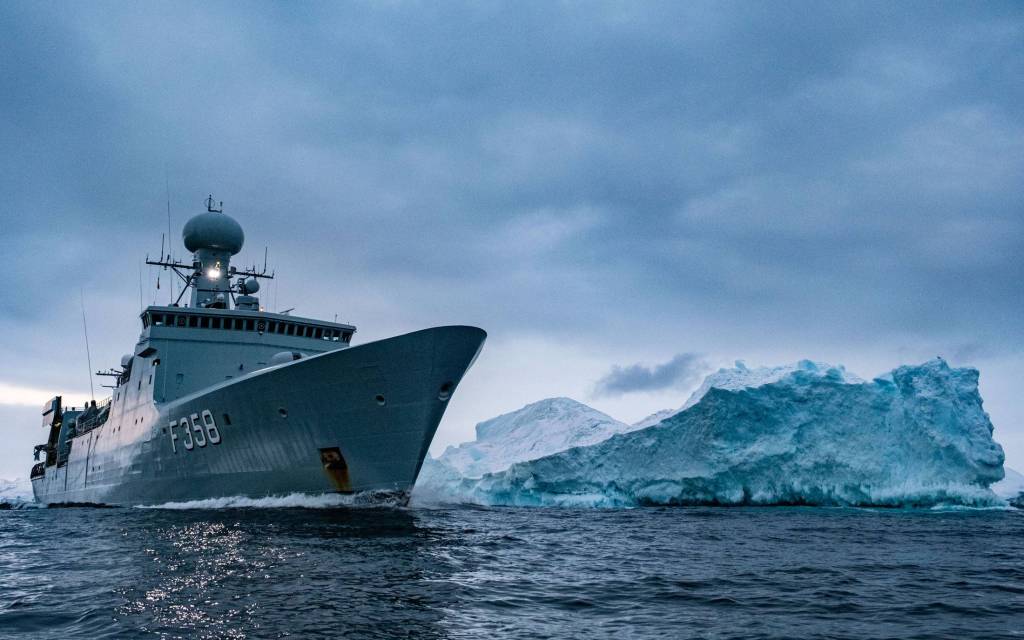
Denmark has moved to significantly strengthen Greenland’s military posture as tensions in the Arctic intensify. In recent weeks, the Danish government has led large-scale military exercises across the vast territory, deploying hundreds of troops from NATO partner countries and increasing patrols in strategic zones.
The annual “Arctic Light” exercise served as the centerpiece of Denmark’s new approach. More than 550 soldiers from nations including France, Germany, Sweden, and Norway trained in cold-weather conditions, performed amphibious operations, and practiced boarding and interdiction drills in Greenland’s fjords and offshore waters. The drills were explicitly designed to improve readiness and interoperability with allies, while sending a deterrent signal to Russia.
Strategic priorities behind the enlargement of Greenland’s defenses are clear. First, Russia’s expanding presence and military infrastructure in the Arctic pose a growing threat to NATO’s northern flank. Second, the territory’s importance lies in its location: Greenland controls air and sea routes between North America and Europe and hosts U.S. facilities vital for satellite, missile, and early warning systems.
For residents of Greenland, these developments carry both promise and tension. The region has undervalued infrastructure and limited capacity to respond to external threats on its own. A stronger defense footprint offers security benefits, but it also raises questions about sovereignty, autonomy, and the balance of local versus foreign control.
As Arctic competition sharpens, Greenland’s transformation from frontier territory into a strategic fortress is underway. Whether this shift will protect the island or embroil it further in great-power rivalry remains to be seen.
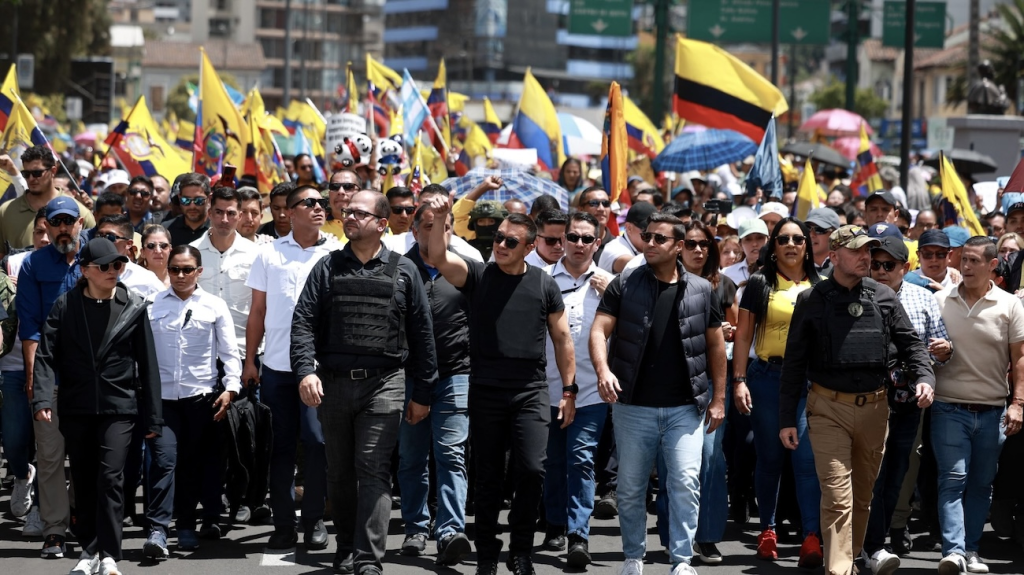
President Noboa’s Convoy Attacked Amid Rising Civil Unrest in Ecuador
Ecuadorian President Daniel Noboa’s humanitarian convoy came under attack on Sunday in the Imbabura province during escalating protests over new fuel price reforms. The convoy reportedly included foreign diplomats and aid vehicles intended to deliver essential supplies to communities hit by the unrest. The government said around 350 people ambushed the convoy using Molotov cocktails, fireworks, and rocks as it passed through Cotacachi, a hotspot of protest activity.
Roughly 50 soldiers were accompanying the vehicles, and some attempted to repel the attackers. One government spokesperson labelled the incident a “terrorist ambush,” asserting that criminal groups had infiltrated the protests. The Italian ambassador, also present in the convoy, confirmed his presence and stated he was unharmed.
The attack occurred amid widespread tension stemming from President Noboa’s decision to remove a longstanding diesel subsidy, which more than doubled fuel costs. Indigenous groups and labour organisations have decried the policy, triggering roadblocks, mass demonstrations, and clashes with security forces. At least one protester was killed during related unrest, and reports indicated that 17 soldiers were taken hostage during simultaneous violent confrontations nearby.
In the aftermath, President Noboa denounced those involved, saying that “Ecuador cannot go back.” He called for investigations under international protocols and vowed the perpetrators would face consequences. But the move also risks further inflaming tensions if authorities respond with repression rather than dialogue.
As Ecuador teeters between protest and government control, the convoy attack may mark a turning point—whether it leads to escalation or opens space for negotiation remains to be seen.
Footnotes
- Roth, A. (2025). Netanyahu Vows to ‘finish Job’ in Gaza during UN Speech as Delegates Walk out. [online] the Guardian. Available at: https://www.theguardian.com/world/2025/sep/26/benjamin-netanyahu-un-speech-gaza [Accessed 29 Sep. 2025]. ↩︎
- Sky News (2025). Watch Moment Diplomats Walk out as Israeli PM Netanyahu Speaks at UN. [online] Sky News. Available at: https://news.sky.com/story/watch-the-moment-diplomats-walk-out-as-israeli-pm-speaks-at-un-13438551 [Accessed 29 Sep. 2025]. ↩︎
- Motamedi, M. (2025). Fact check: Israeli Prime Minister Netanyahu’s Speech at the UNGA. [online] Al Jazeera. Available at: https://www.aljazeera.com/news/2025/9/27/fact-check-israeli-prime-minister-netanyahus-speech-at-unga [Accessed 29 Sep. 2025]. ↩︎
- Aboulenein, A. (2025). Trump Repeats Tylenol and Vaccine claims, Defying Medical Community Outcry. Reuters. [online] 26 Sep. Available at: https://www.reuters.com/business/healthcare-pharmaceuticals/trump-repeats-tylenol-vaccine-claims-defying-medical-community-outcry-2025-09-26/ [Accessed 30 Sep. 2025]. ↩︎
- Arwa Mahdawi (2025). Trump’s War on Tylenol Is Also Very Much a War on Women. [online] the Guardian. Available at: https://www.theguardian.com/commentisfree/2025/sep/27/trump-tylenol-sexism-tough-it-out [Accessed 30 Sep. 2025]. ↩︎
- in (2025). Ukraine Says 4 killed, over 70 Injured in large-scale Russian airstrike, Mainly Targeting Kyiv. [online] Aa.com.tr. Available at: https://www.aa.com.tr/en/russia-ukraine-war/ukraine-says-4-killed-over-70-injured-in-large-scale-russian-airstrike-mainly-targeting-kyiv/3701387 [Accessed 30 Sep. 2025]. ↩︎
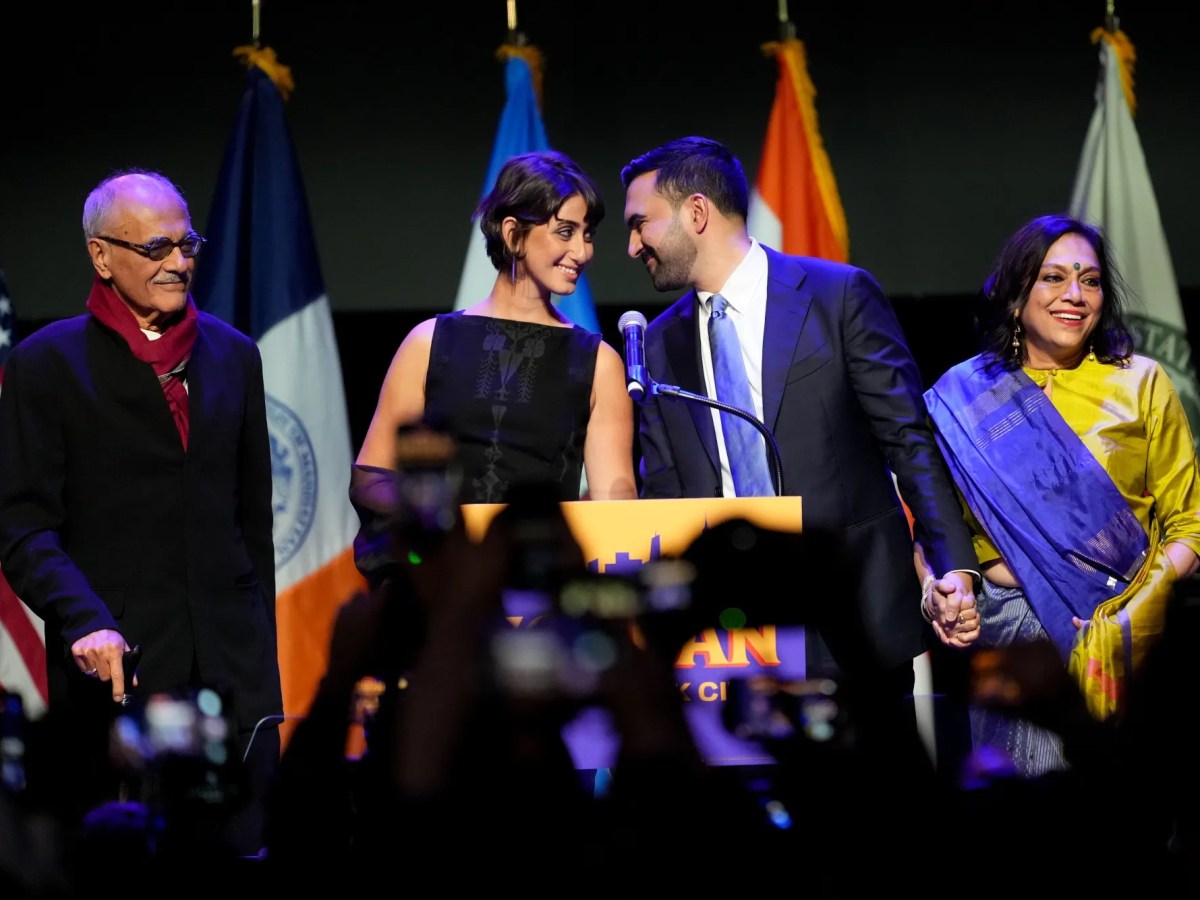
Historic Mayoral Victory, Sudan’s Civil War Escalates, and U.S. Flights Grounded
W/b 3rd of November 2025: This week (we ignore the fact that I haven’t written a post since September) saw historic and dramatic developments around the globe. Zohran Mamdani became New York City’s first Muslim mayor in a decisive victory, part of a wider wave of Democratic wins across the United States. In Sudan, the…


From Washington Gridlock to Left-Wing Party Conferences
w/b 29th of September 2025: This week, the US government grinds to a halt amid clashes over public spending, Labour gathers in Liverpool for its annual conference, and the Greens celebrate new momentum at their 2025 meeting in Bournemouth.
Elsewhere, Moldova finally concludes its long-delayed elections after weeks of tension over alleged Russian interference and…
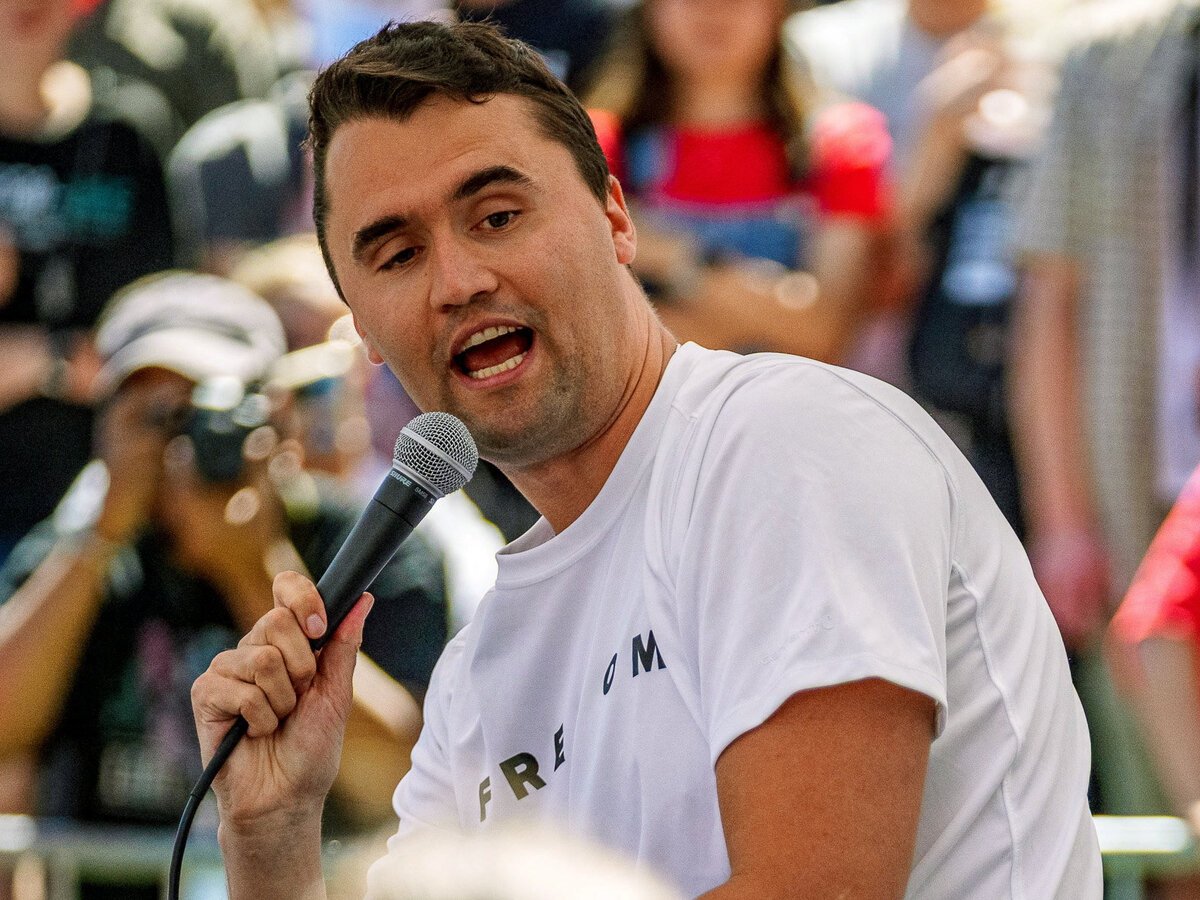
Assassination, Protest, Collapse: A Tumultuous Week in Global Politics
8th of September 2025 This week: the assassination of far-right commentator Charlie Kirk sends shockwaves through the US; anti-immigration protests erupt in London; and Nepal’s government falls after Gen Z fight back. Meanwhile, France faces a government collapse, the UN pushes back against Israel, and we examine how politicians are weaponising anti-LGBTQIA+ rhetoric to win…

Subscribe
Subscribe to get our the latest stories in your inbox.
 Reigniting Politics
Leave a comment