8th of September 2025
This week: the assassination of far-right commentator Charlie Kirk sends shockwaves through the US; anti-immigration protests erupt in London; and Nepal’s government falls after Gen Z fight back.
Meanwhile, France faces a government collapse, the UN pushes back against Israel, and we examine how politicians are weaponising anti-LGBTQIA+ rhetoric to win elections.
The Assassination of Charlie Kirk
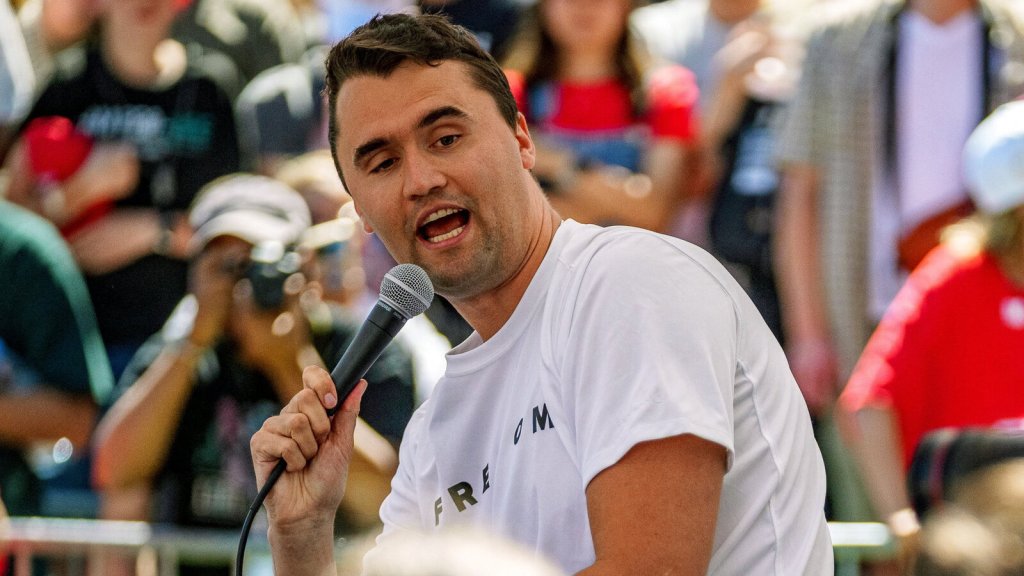
The killing of conservative activist Charlie Kirk in Utah last week has sent shockwaves across American politics. Kirk, the 31-year old co-founder of Turning Point USA and one of the country’s most recognisable right-wing commentators, was shot dead on 10 September while addressing an audience at Utah Valley University. The attack was carried out with a sniper-style rifle from a building several hundred feet away, leaving little chance of survival.
The suspect, 22-year-old Tyler Robinson, surrendered to police the following evening after a statewide manhunt. According to investigators, Robinson posted a message in a private Discord group admitting responsibility, writing that “it was me at UVU yesterday.” He was arrested without incident and is expected to be charged with first-degree murder. Early reports suggest Robinson described himself as a leftist and had been radicalised online, though officials have not yet confirmed whether he acted alone or was encouraged by others.
Motive and Meaning
Why Kirk was targeted remains under investigation. Authorities say Robinson had made comments about having “the opportunity to take out Charlie Kirk,” suggesting a deliberate and ideologically motivated act. FBI officials are now combing through his digital footprint to establish the full extent of his planning and whether others were aware of his intentions.
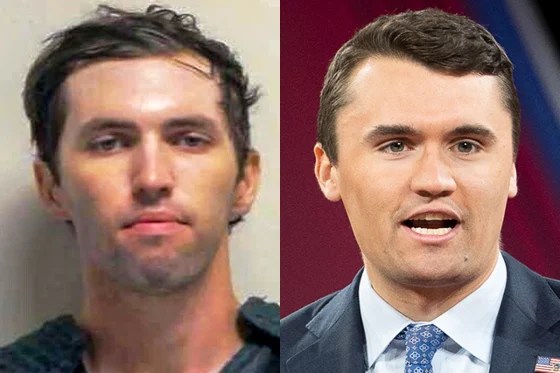
For many Republicans, the shooting is already being framed as part of a broader pattern of political violence. Figures close to Donald Trump have accused the left of fostering an environment where attacks on conservatives are celebrated, pointing to online forums where Kirk’s death was mocked. Democrats, while condemning the killing in the strongest terms, have urged caution against sweeping claims, emphasising the need to let investigators establish facts before drawing political conclusions.
The Suspect
Robinson’s profile is only beginning to come into focus. A university dropout living in shared accommodation, he reportedly struggled with isolation and spent long hours online. His roommate, now cooperating with investigators, has insisted he had no prior knowledge of the plot. Law enforcement are examining Robinson’s devices to determine what communities or materials may have fuelled his decision to carry out the attack.
Though Utah prosecutors have not yet announced whether they will pursue the death penalty, it remains a possibility. The state still authorises capital punishment and retains the firing squad as a method of execution. Robinson’s trial is likely to become a major national spectacle, with both sides of the political divide seizing on it to advance arguments about extremism, security, and justice.
Political and Social Fallout
The aftermath of Kirk’s assassination has been turbulent. Memorials have sprung up in conservative communities across the USA and world, some of which have been vandalised or attacked. Fox News aired an extended tribute, positioning Kirk as a martyr for the conservative movement. At the same time, security around high-profile political events is being reassessed, with universities and campaign organisations reviewing how to protect speakers from long-range attacks.
For Republicans, Kirk’s death could galvanise their base ahead of the 2026 midterms, reinforcing a narrative of persecution and energising calls for stronger crackdowns on extremism. For Democrats, the challenge lies in condemning violence unequivocally without becoming ensnared in partisan blame games.
Conclusion
The assassination of Charlie Kirk represents more than the loss of a controversial activist; it highlights the rising volatility of American politics. Whether Robinson acted as a lone radical or as part of a wider network will shape the next phase of the investigation, but the political consequences are already visible. For conservatives, Kirk is being cast as a symbol of what they see as unchecked hostility towards their movement. For the country as a whole, his killing stands as a stark reminder of how words, ideology, and isolation can escalate into deadly action.
My Opinion on this
Political violence is wrong. Full stop. No one should die for their beliefs, however vile those beliefs may be. It would have been far more satisfying, and far more democratic, for Charlie Kirk to have been proven wrong in the court of public opinion than for him to be gunned down on a university campus. Assassination closes down the possibility of argument. It robs society of the chance to show that Kirk’s ideas were unworkable, hypocritical, or cruel, because death ends debate.
And yet, we cannot ignore the strange irony of his demise. Kirk was a man who spoke fondly of public executions, who defended the notion that “a few” lives sacrificed were a reasonable price for keeping the Second Amendment intact. He dehumanised others with casual ease, portraying violence as an acceptable political tool, so long as it advanced his own worldview. To mourn him as a figure of compassion would be dishonest. He gave none to his opponents, and he showed no remorse for those who suffered under the policies and politics he championed.
But this is where the danger lies. Because he died by violence, Kirk can now be rebranded as a martyr. Whether or not the conservative base ever truly liked or trusted him, his assassination will be folded into a narrative of persecution. Already, his death is being invoked as proof of a left-wing culture of hate (even though there is more evidence to suggest Robinson was far-right than far-left). It will be used to inflame, to radicalise, and to justify further violence, precisely the cycle that should terrify us.
The question of empathy is being fiercely debated. Some commentators, mostly liberal and white, argue that it is a moral obligation to feel sorrow for Kirk’s death, to take the “high ground” by extending sympathy to a man who would never have done the same. I disagree. Empathy is not limitless, nor should it be demanded from those who were the direct targets of his rhetoric. Marginalised communities, the people Kirk insulted, misrepresented, or actively sought to silence, are not obliged to mourn his absence. For them, the world may feel a fraction lighter without his voice. That is not cruelty; it is honesty.
This doesn’t mean we should celebrate his killing. Celebration only feeds the right’s framing of themselves as under siege. But we can acknowledge complexity. We can say that Kirk’s death is both a tragedy and a relief: tragic because political assassination endangers democracy, relieving because his ideas no longer have their most visible salesman.
And then there is the human level. I feel for his children, who have lost a father in the most public and violent of ways. I even felt for his wife in the hours after his death, until she began doubling down, turning grief into a platform for even harsher rhetoric.
Ultimately, Kirk’s assassination leaves us with no heroes. His killer will stand trial as a murderer, not a revolutionary. Kirk himself will be remembered as a man whose hatred was met, fittingly and tragically, by hatred in return. The rest of us are left to contend with the consequences: a nation more divided, more volatile, and more vulnerable to the idea that violence, rather than debate, is the path to victory.
The London Anti-Immigration Protest
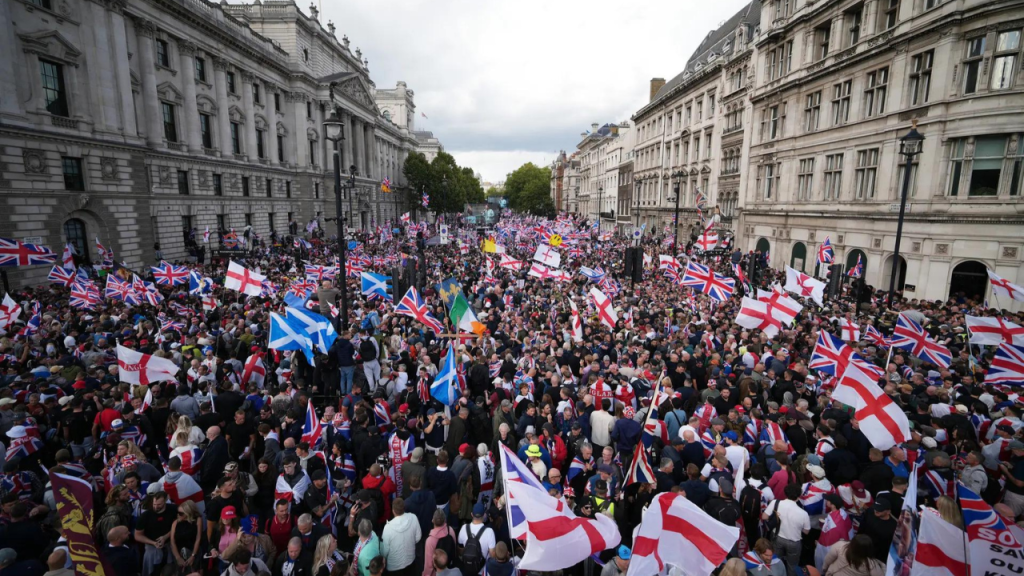
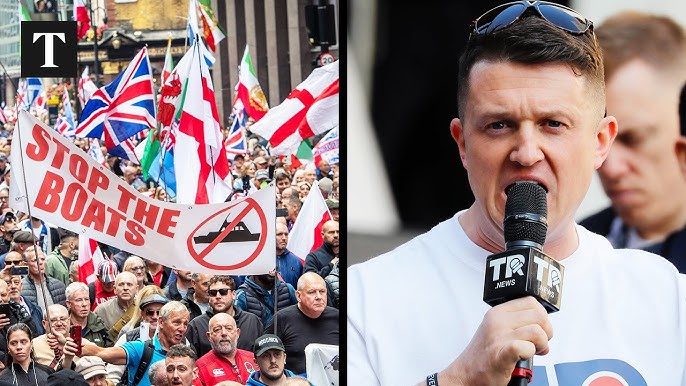
On Saturday, 13 September 2025, central London became the stage for one of the UK’s biggest far-right demonstrations in recent memory: the “Unite the Kingdom” rally, led by Tommy Robinson (Stephen Yaxley-Lennon). Organisers claim over 110,000 people attended, with some reports putting the number even higher. The protest, nominally focused on immigration, free speech, and national identity, quickly degenerated into scenes of confrontation, heavy symbolism and deepening public anxiety.
The Rally and the Route
The march started near Waterloo Bridge and proceeded towards Whitehall, passing significant seats of power. Organisers had previously notified police of the route, but law enforcement admitted the sheer scale of the turnout outstripped expectations. Police reported that parts of Whitehall were simply too small to contain the crowd. Flags of England (St. George’s Cross), the Union Jack, and more unusual entrants like American and Israeli flags were carried by the demonstrators. Some wore MAGA hats. Placards ranged from calls to “Send them home” to warnings about migrants having more legal protections than “the British public.”1
Clashes, Counter-Protests, Legal Boundaries
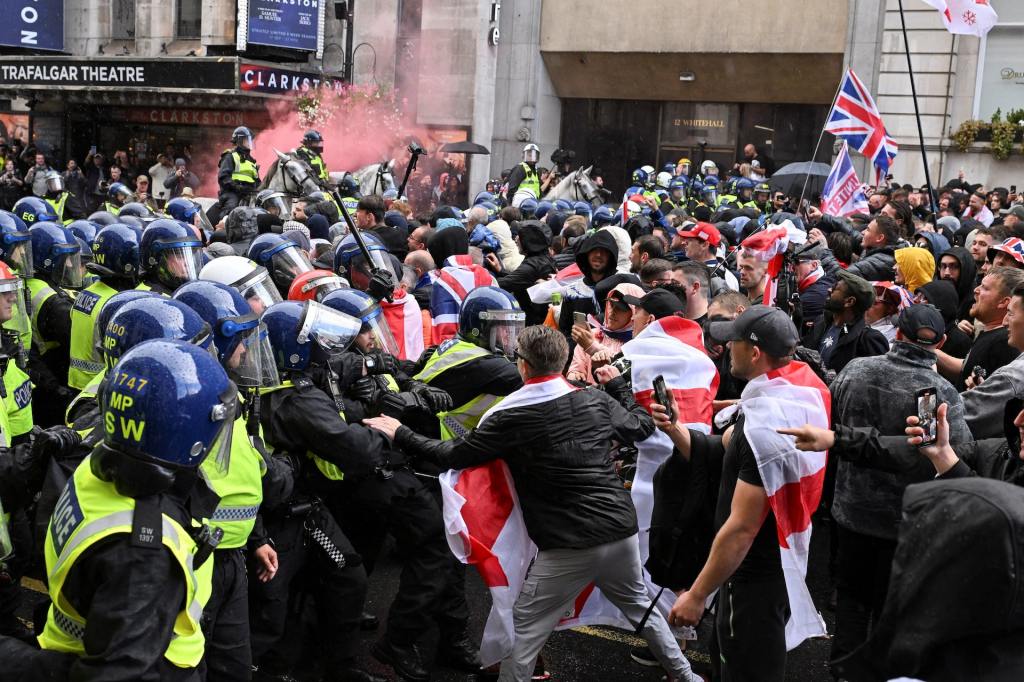
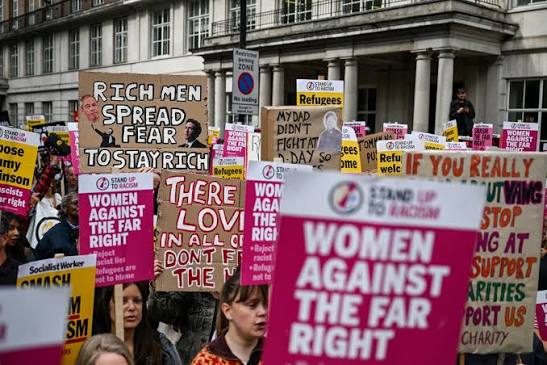
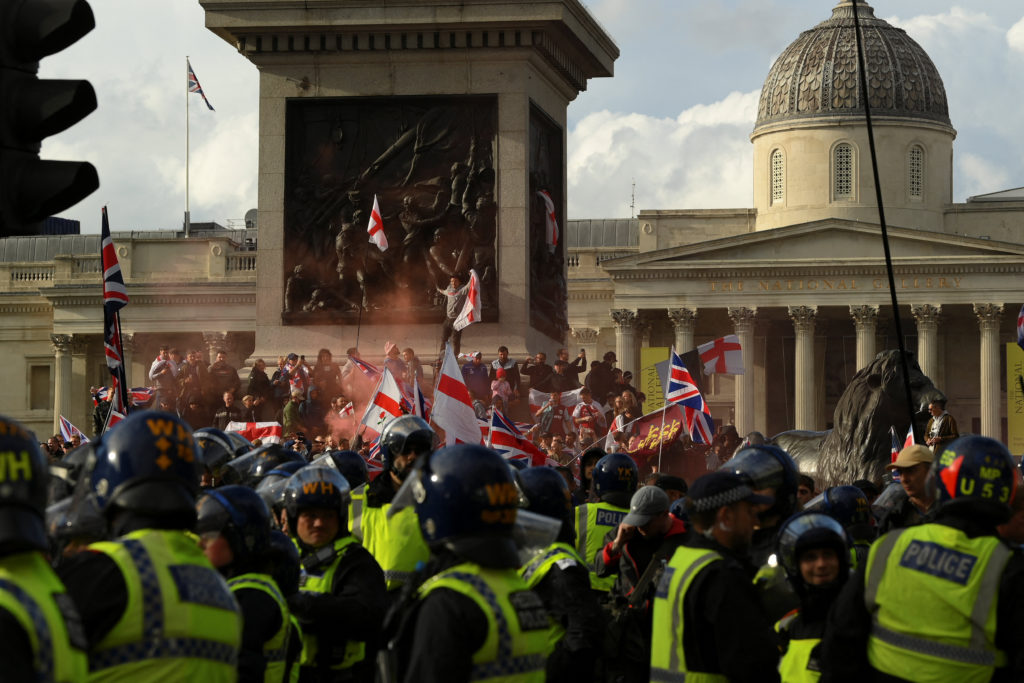
A counter-protest of roughly 5,000 people, organised under the “Stand Up to Racism” banner, marched in tandem. Police deployed more than 1,600 officers (including reinforcements from other forces) to keep order and separate the two groups. Despite this, there were several clashes: protesters attempted to break from the route, enter restricted or cordoned-off areas, and confront counter-protesters. Objects were thrown (bottles, flares), and law enforcement reported “unacceptable violence” including kicks, punches, and verbal abuse. By the end of the day, 26 officers were injured (four seriously), and 25-26 people arrested.
Rhetoric, Symbols, and the Spectacle
Tommy Robinson addressed the crowd, invoking imagery of a country being “invaded,” speaking of cultural erosion, and presenting the march as a kind of patriotic stand against perceived threats from immigration. The staging of the event layered with symbolism: flags, speeches from far-right figures (both domestic and foreign), and even remote appearances (e.g. by Elon Musk) gave the rally the feel of a movement rather than a spontaneous protest. Many commentators noted that the framing of free speech was being used as a veneer for extremely hostile and exclusionary ideas.
What This Reflects About Britain Now
This protest did not emerge in isolation. It followed a summer of tensions over housing asylum seekers, hotel placements, and rising arrivals via small boats. Immigration has become one of the key political issues dominating public debate, often displacing or intertwining with concerns over economics, security, and identity. The turnout and energy of this march suggest that many feel disaffected, unheard, or fearful, whether because they believe immigration to be mismanaged, or because they sense broader cultural change they find unsettling.
Fallout and What Comes Next
The political consequences are likely to be sizeable. Prime Minister Keir Starmer publicly condemned violence and declared that people have a right to peaceful protest, but warned that national symbols must not be “commandeered” for intimidation. Government, opposition parties, civil society, and media will all be under pressure to respond: do they address the grievances from people mobilised by the rally (without validating xenophobia), or do they crack down on far-right organising, speech, or events?
Legally, the police will pursue charges against those who committed offences: breaching routes, assaulting officers, incitement, etc. More broadly, this rally may serve as a template or rallying point for far-right activism, unifying smaller groups, giving visibility to conspiracy theorists, and energising those who believe mainstream politics has ignored their concerns. Counter-movements will also likely intensify in response, seeking to mobilize against what they perceive as dangerous normalisation of far-right ideas.
Nepal’s Government Collapses Amid Youth-Led Protests
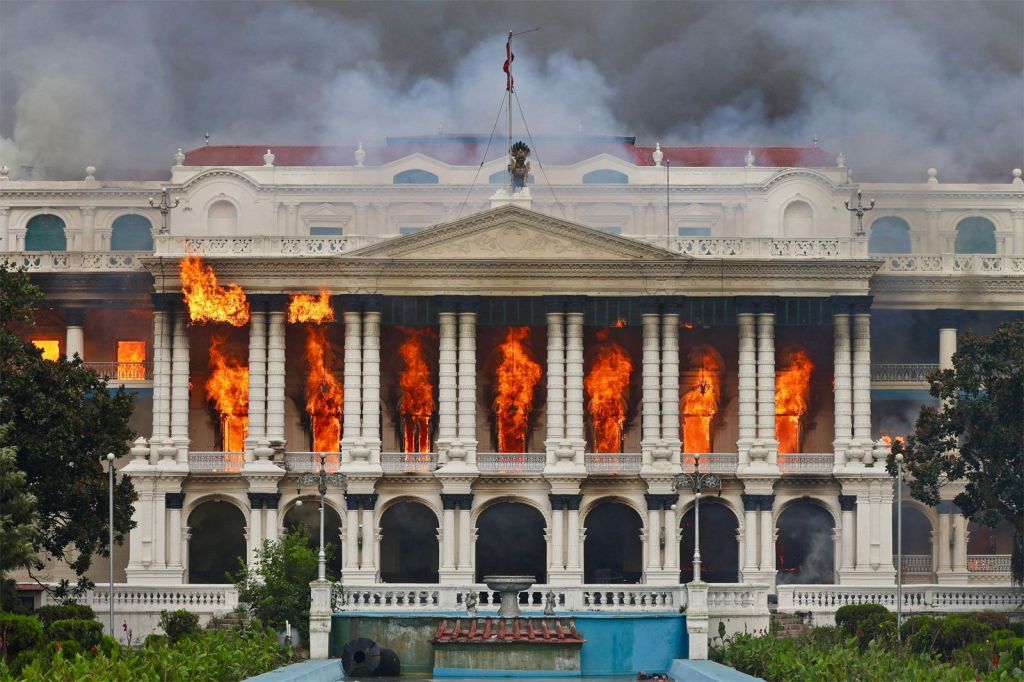
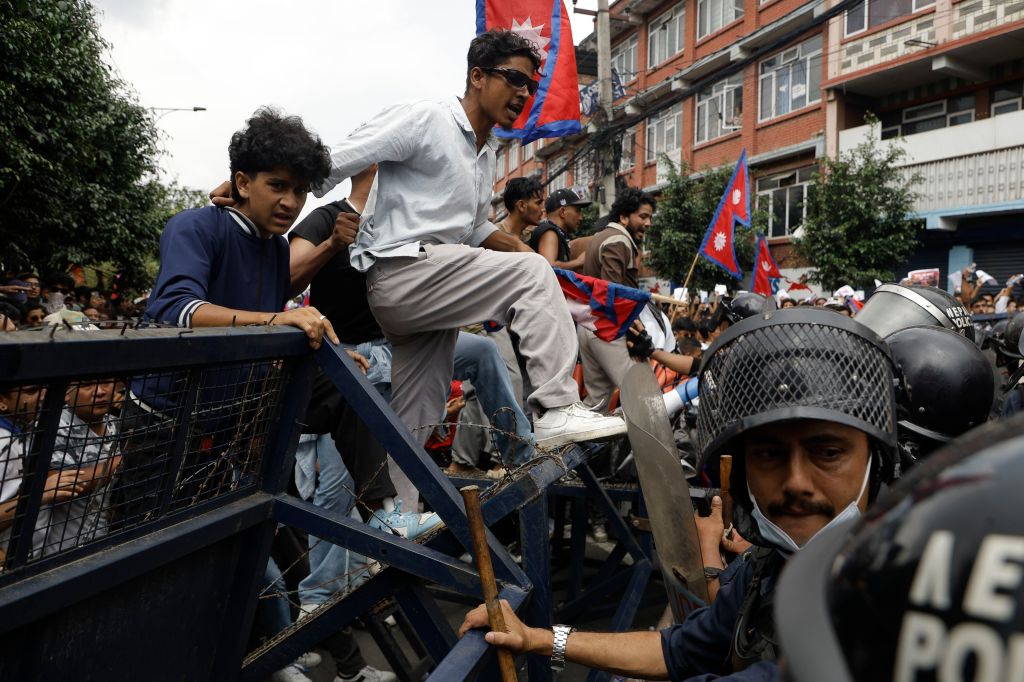
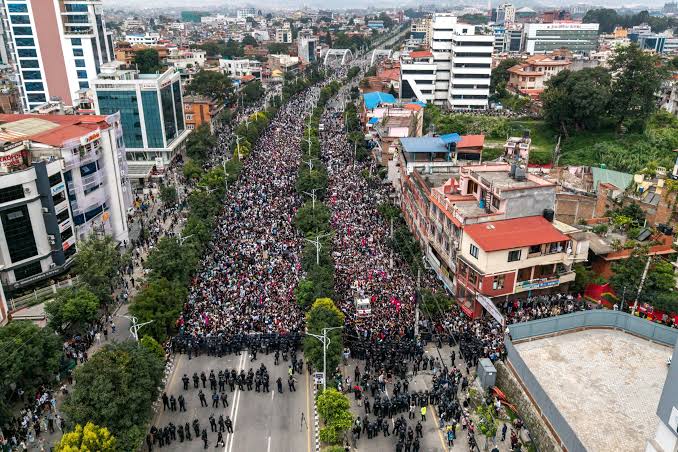
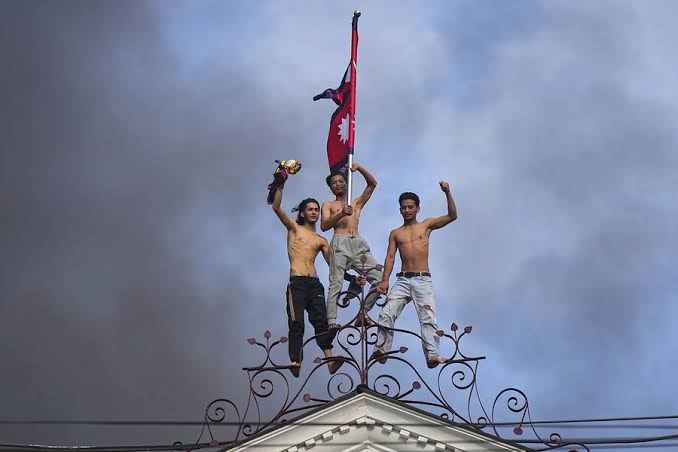
The collapse of Nepal’s government in September 2025 was triggered by a wave of protests led predominantly by young people. Initially sparked by rising university tuition fees and limited job opportunities, the demonstrations quickly broadened to encompass anger at decades of corruption and political deadlock. Students and recent graduates organised on campuses and online, coordinating rallies that grew larger each week. Their frustration was not just with the current prime minister, Pushpa Kamal Dahal (widely known as “Prachanda”), but with an entire generation of political leaders who, in their view, had failed to deliver prosperity since the end of the monarchy in 2008.2
Why Gen Z Took to the Streets
Nepal’s Gen Z protesters are uniquely positioned. They make up almost half of the country’s population, yet face some of the bleakest economic prospects in South Asia. Nearly 40% of young people are unemployed, while those with jobs often earn below a living wage. Many families survive on remittances from relatives working abroad, fuelling resentment that the only way to succeed is to leave Nepal. Added to this is widespread anger over corruption scandals, poor infrastructure, and frequent power shortages. For these protesters, the government symbolised not just incompetence, but an entrenched political class unwilling to change.3
The Fall of Dahal’s Coalition
Dahal’s government was already unstable before the protests. His Maoist Centre party relied on a fragile coalition with smaller groups, each competing for influence. When police crackdowns on demonstrators left several dead and dozens injured, coalition partners began to distance themselves. By early September, two key parties had withdrawn their support, leaving Dahal with no majority in parliament. Facing inevitable defeat in a confidence vote, he resigned. His statement — that he would “not stand in the way of the people’s will” — was widely seen as an admission that the protests had stripped him of legitimacy.
Corruption and Broken Promises
The anger on the streets was not only about unemployment but also about corruption. Successive governments have been accused of siphoning off aid money, awarding contracts to allies, and failing to deliver basic services. In Kathmandu, protesters chanted slogans like “no jobs, no future” and carried placards comparing politicians to thieves. Many young Nepalis argue that since the abolition of the monarchy, leaders have recycled the same promises of reform, but little has changed. This explains why the protests were not merely anti-Dahal but anti-system: they targeted the whole political order.
Read about the protests in my previous post here
Regional Stakes: India and China Watch Closely
Nepal’s collapse matters beyond its borders. The country sits between India and China, both of whom compete for influence through investment and infrastructure projects. India worries that instability could spill over into border regions already struggling with migration. China fears that a weakened Nepali state could jeopardise its Belt and Road projects. Both neighbours are watching closely, aware that prolonged instability may leave space for external actors to exploit Nepal’s vulnerability.
What Comes Next
An interim government is expected to manage day-to-day affairs until new elections can be held. But many protesters are sceptical. They argue that elections alone will not fix Nepal’s problems if the same political elites remain in power. What they want is structural reform: transparency in government spending, real investment in jobs, and measures to prevent corruption. The protests have shown that young Nepalis will no longer quietly accept failure from their leaders. The challenge now is whether their movement can transform that anger into long-term political change, rather than another cycle of unrest and disappointment.4
Other Global News this Week
France’s Government Collapses Amid Budget Showdown
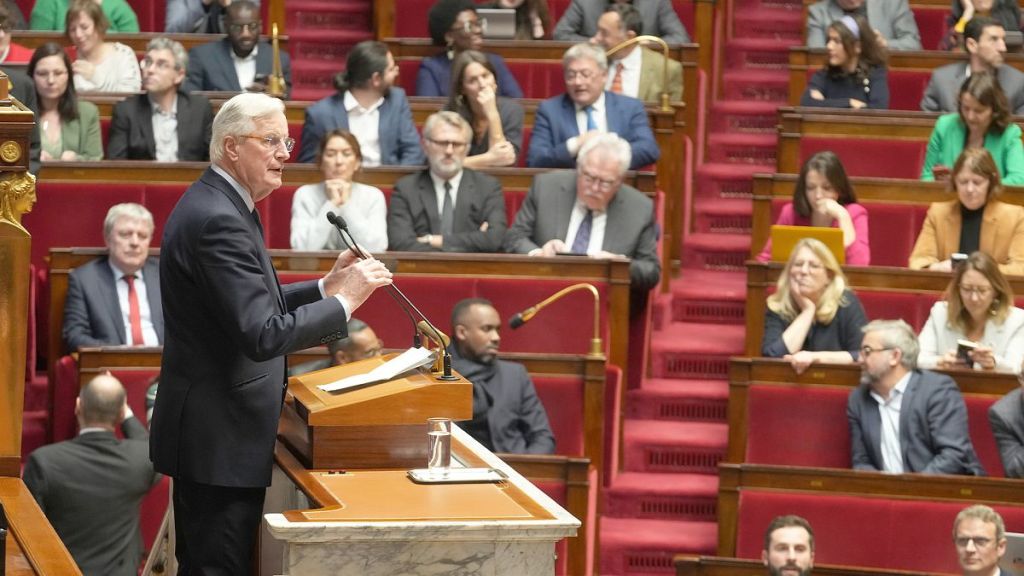
France has been plunged into fresh political turmoil after Prime Minister François Bayrou’s government collapsed in a no-confidence vote over its 2026 budget. Bayrou, who staked his premiership on passing a package of steep spending cuts and tax rises, saw 364 legislators vote against him, with just 194 in support. The defeat reflects not only the unpopularity of his austerity agenda but also the deep fragmentation of France’s National Assembly, which has struggled to produce stable governments since the snap election of 2024.
Read more about this in my previous post here
The disputed budget sought to claw back around €44 billion in savings, with proposals ranging from cuts to welfare payments and reductions in civil service staffing to the symbolic abolition of two public holidays. Supporters argued that such measures were essential, with France’s public debt hovering at 114 percent of GDP and markets demanding credible fiscal discipline. But the opposition, spanning both the left and far right, condemned the package as an assault on workers and retirees, accusing Bayrou of punishing ordinary citizens while failing to address structural inequalities.
The collapse of Bayrou’s government is the second in less than a year, following Michel Barnier’s resignation amid similar budgetary deadlock. President Emmanuel Macron’s centrist bloc continues to lack a majority, leaving him reliant on fragile alliances that fracture under the strain of austerity debates. Bayrou’s refusal to water down his plan or negotiate across party lines made his downfall all but inevitable once resistance hardened.
Attention now turns to Macron, who must appoint a new prime minister capable of navigating the fractured legislature. Defence Minister Sébastien Lecornu is seen as the frontrunner, but whoever takes the job faces the same intractable challenges: spiralling debt, sluggish growth, and rising anger on the streets. The deeper question is whether France can break free of this cycle of government collapses without sweeping electoral or constitutional reform.5
UN Inquiry Declares Israel’s War in Gaza a Genocide
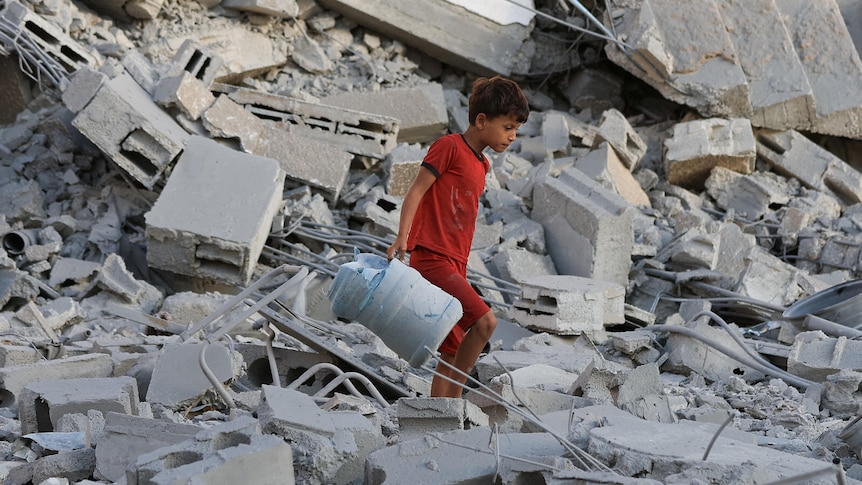
A United Nations investigative commission has declared that Israel’s war in Gaza amounts to genocide, marking the most serious determination yet from an international body since the conflict escalated in 2023. The Independent International Commission of Inquiry on the Occupied Palestinian Territory concluded that Israel’s political and military leadership, including Prime Minister Benjamin Netanyahu, bears direct responsibility for acts that meet the legal definition of genocide.
The commission’s report outlines four of the five acts listed under the 1948 Genocide Convention as being present in Gaza. These include;
- the killing of Palestinians,
- inflicting severe physical and psychological harm,
- deliberately creating conditions that make survival impossible,
- and measures designed to prevent births within the population.
Investigators cited both direct evidence, in the form of public statements from senior Israeli officials, and circumstantial evidence, such as the large-scale destruction of infrastructure, restrictions on humanitarian aid, forced displacement, and patterns of military assault.
Israel has forcefully rejected the report, accusing the inquiry of bias and of providing cover for Hamas. Israeli officials labelled the findings a distortion of international law and argued that their military operations target militants, not civilians. The government has demanded that the UN abolish the commission, with its ambassador in Geneva calling the report a “politically motivated attack.”
While the United Nations as a whole has not officially adopted the genocide designation, the commission’s conclusions significantly escalate the legal and diplomatic stakes. They could open pathways for cases at the International Court of Justice or the International Criminal Court, intensify calls for arms embargoes or sanctions, and deepen Israel’s isolation on the global stage. For Palestinians, the recognition lends weight to their long-standing claims of systematic destruction. For Israel, it raises the prospect of unprecedented international accountability.6
Anti-LGBTQ+ Rhetoric Rises as Politicians Target Queer Communities
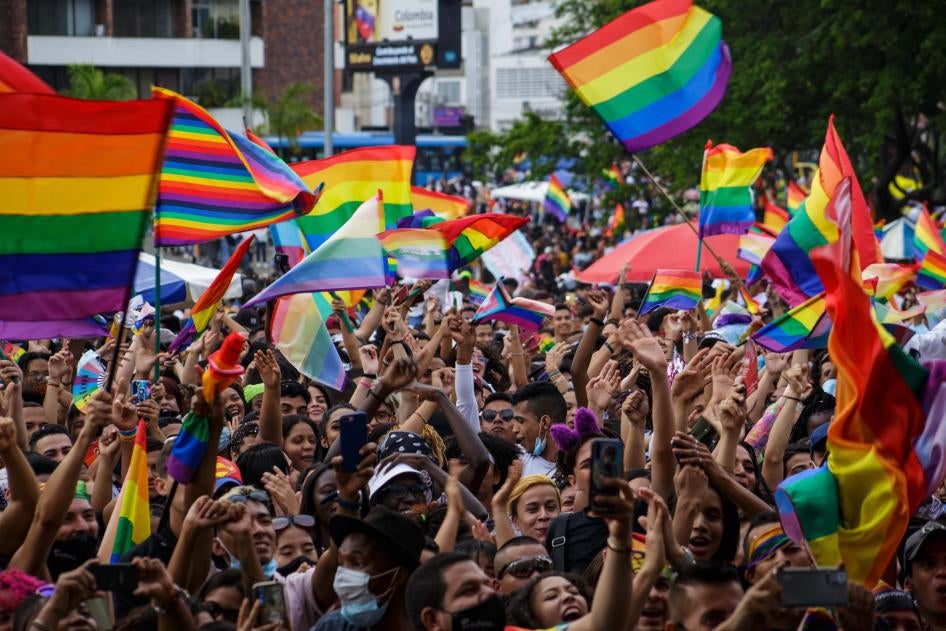
A new study by Outright International reveals that political campaigns in at least 51 countries employed homophobic or transphobic rhetoric during elections in the past year. Across these places, candidates used phrases like “gender ideology,” depicted LGBTQ+ identities as foreign threats, and openly vilified queer people, often as a way to bolster nationalist or conservative agendas. The phenomenon wasn’t confined to any single region, spanning from Europe to Asia, Africa, and the Americas.
Despite this wave of hostile rhetoric, the report also records some progress. In 36 countries, openly LGBTQ+ individuals ran for public office, including first-time candidacies in places like Botswana, Namibia, and Romania. One of the more stark gains was seen in Brazil, where the number of elected LGBTQ+ officials doubled, reaching at least 233. Such developments show that visibility and political engagement are growing, even under pressure.
The report warns, however, that this visibility has come with backlash. In many places, rhetoric becomes a tool of polarization: painting LGBTQ+ rights issues as an exotic, outside threat to national values, or using anti-LGBTQ+ messaging to distract from economic or political failures. In countries like Hungary, Ghana, Indonesia, Pakistan, and the United States, the rhetoric is not limited to insults or campaign posters; candidates and their supporters have been accused of spreading misinformation, enabling online harassment, and using violence or threats against LGBTQ+ candidates.
A key concern raised is that anti-LGBTQ+ rhetoric is increasingly part of an “authoritarian playbook.” The use of hate speech, stoking fear, and scapegoating minorities are showing up in contexts where democratic institutions are fragile. Rights groups fear that once this kind of rhetoric becomes mainstream in political campaigns, it becomes harder to push back—even as LGBTQ+ people gain greater representation.
The findings underscore a stark contradiction: as more LGBTQ+ individuals run for office and gain seats, the political space around them is growing more hostile. It poses urgent questions about how democracies protect vulnerable minorities, how political norms shift under pressure, and what the cost of visibility is when visibility itself triggers reprisals.7
Footnotes
- Yalahuzian, V., Tessier, Y. and Mcdill, S. (2025). Police and Protesters Scuffle as 110,000 Join anti-migrant London Protest. Reuters. [online] 13 Sep. Available at: https://www.reuters.com/world/uk/police-protesters-scuffle-110000-join-anti-migrant-london-protest-2025-09-13/ [Accessed 16 Sep. 2025]. ↩︎
- Teekah, E. (2025). 2025 Nepalese Gen Z Protests | Background, Social Media Ban, & Political Breakdown. [online] Encyclopedia Britannica. Available at: https://www.britannica.com/event/2025-Nepalese-Gen-Z-Protests [Accessed 16 Sep. 2025]. ↩︎
- The Economist (2025). Huge Demonstrations Bring down Nepal’s Government. [online] The Economist. Available at: https://www.economist.com/asia/2025/09/09/huge-demonstrations-bring-down-nepals-government [Accessed 16 Sep. 2025]. ↩︎
- CBC (2025). Nepal’s President Appoints Interim Premier after Fiery Protests Collapse Previous Administration. [online] CBC. Available at: https://www.cbc.ca/news/world/nepal-kathmandu-protest-1.7632180 [Accessed 16 Sep. 2025]. ↩︎
- Chrisafis, A. (2025). France’s Political Crisis Reveals Deep Rift between the People and Their Politicians. [online] the Guardian. Available at: https://www.theguardian.com/news/ng-interactive/2025/sep/07/frances-political-crisis-reveals-deep-rift-between-the-people-and-their-politicians [Accessed 16 Sep. 2025]. ↩︎
- Mohamed, E. (2025). UN Inquiry Says Israel’s War on Gaza Is genocide, Holds Gov’t Responsible. [online] Al Jazeera. Available at: https://www.aljazeera.com/news/2025/9/16/first-head-of-united-nations-body-declares-israels-gaza-war-a-genocide [Accessed 16 Sep. 2025]. ↩︎
- Savage, R. (2025). Politicians in at Least 51 Countries Used anti-LGBTQ+ Rhetoric during elections, NGO Finds. [online] the Guardian. Available at: https://www.theguardian.com/world/2025/sep/11/politicians-in-at-least-51-countries-used-anti-lgbtq-rhetoric-during-elections-ngo-finds [Accessed 16 Sep. 2025]. ↩︎
Read previous posts here
Historic Mayoral Victory, Sudan’s Civil War Escalates, and U.S. Flights Grounded
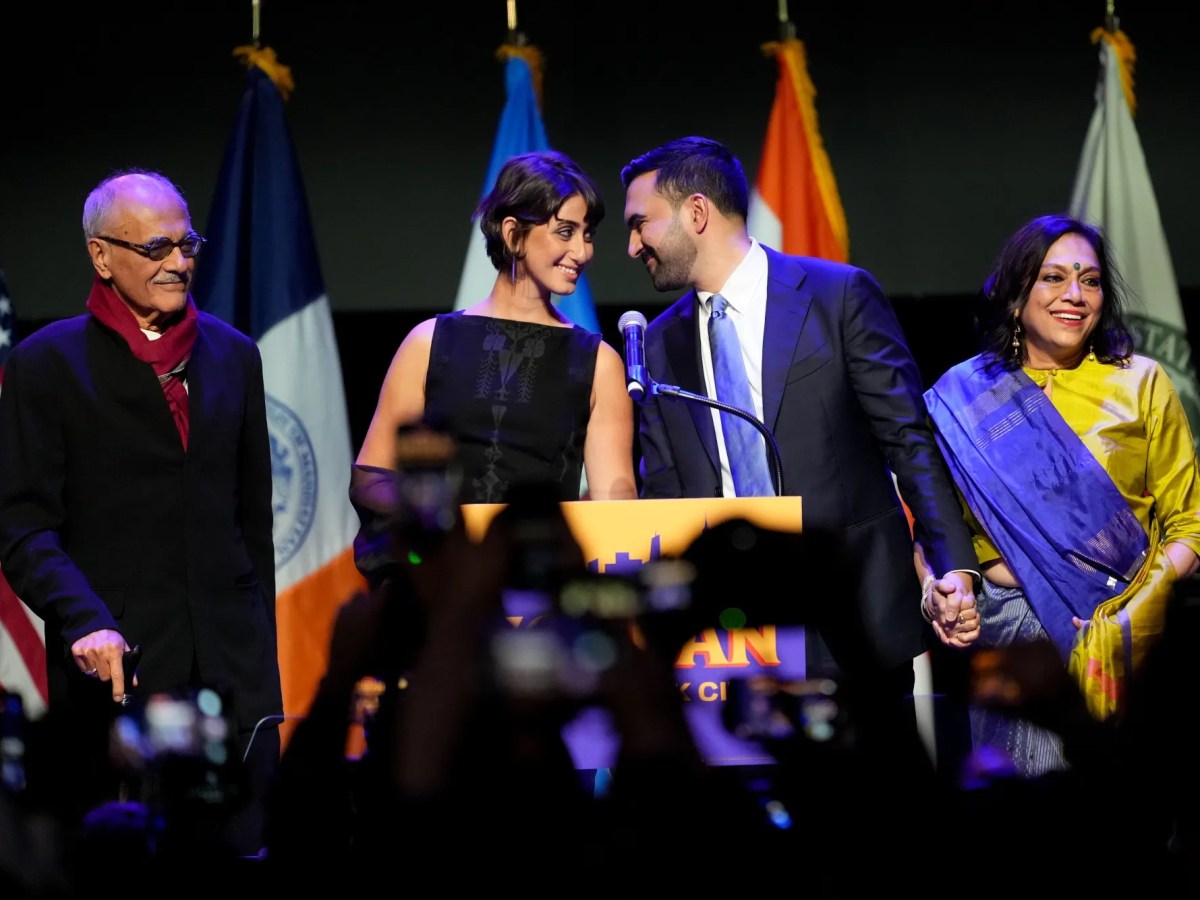
W/b 3rd of November 2025: This week (we ignore the fact that I haven’t written a post since September) saw historic and dramatic developments around the globe. Zohran Mamdani became New York City’s first Muslim mayor in a decisive victory, part of a wider wave of Democratic wins across the United States. In Sudan, the…


From Washington Gridlock to Left-Wing Party Conferences
w/b 29th of September 2025: This week, the US government grinds to a halt amid clashes over public spending, Labour gathers in Liverpool for its annual conference, and the Greens celebrate new momentum at their 2025 meeting in Bournemouth.
Elsewhere, Moldova finally concludes its long-delayed elections after weeks of tension over alleged Russian interference and…
UN Drama, Trump’s Tylenol Claim, and Russia’s Largest Strikes Yet
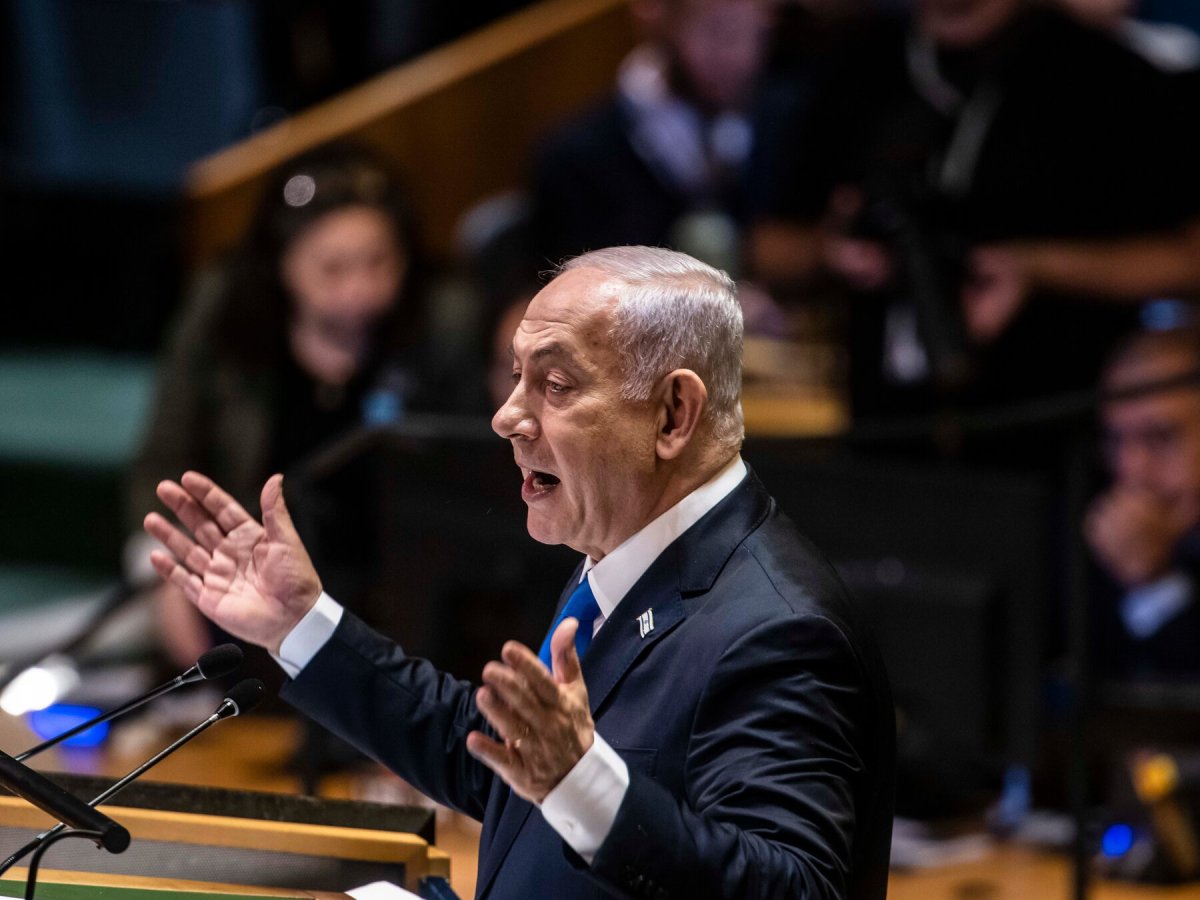
w/b 22nd of September 2025: This week saw dramatic turns on the world stage. Israeli Prime Minister Benjamin Netanyahu faced a mass walkout during his speech at the UN General Assembly in New York. In the U.S., President Trump made headlines once again with inflammatory claims, this time suggesting Tylenol causes autism, a condition widely…

Subscribe
Subscribe to get our the latest stories in your inbox.
 Reigniting Politics
Leave a comment