w/b 1st of September 2025
This week in politics saw major upheaval at home and abroad. In Westminster, a scandal over tax returns triggered a full cabinet reshuffle following the resignation of Deputy Prime Minister Angela Rayner. Meanwhile, the Green Party announced Zack Polanski as its new leader, marking a significant shift in direction. Further afield, protests in Nepal against a sweeping social media ban turned deadly as young people clashed with security forces.
Elsewhere, Japan’s Prime Minister resigned, Africa’s green economy continued to surge with new investment in renewables, and Spain’s Prime Minister Pedro Sánchez accused Israel of “exterminating a defenceless people” in Gaza, intensifying global debate.
Labour in Turmoil: Rayner Resigns, Starmer Reshuffles
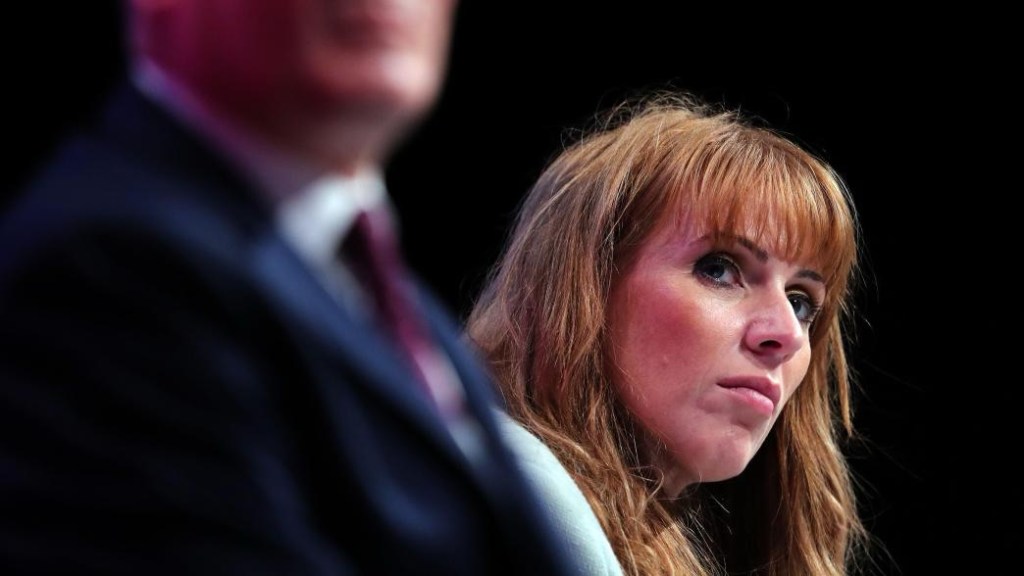
Angela Rayner’s sudden resignation as Deputy Prime Minister has sent shockwaves through Westminster, forcing Keir Starmer into a rapid cabinet reshuffle designed to steady the ship. The departure of one of Labour’s most visible and outspoken figures has raised questions about party unity, internal discipline, and the direction of Starmer’s government.
Why Rayner Resigned
Rayner’s decision to step down was tied to scrutiny over her personal finances, after questions were raised about her housing and tax arrangements. The row drew uncomfortable comparisons with Nigel Farage, who recently came under fire for using a private company structure to reduce tax on his GB News earnings.1 For Labour, a party attempting to maintain the moral high ground after years in opposition, the pressure on Rayner became untenable.
Starmer was reportedly keen to avoid a protracted scandal. By moving quickly, he aimed to demonstrate control rather than drift, removing a potential distraction ahead of critical policy battles this autumn.

A Reshuffle at the Top
In the wake of Rayner’s resignation, Starmer launched a broad reshuffle. The changes not only filled the gap left behind but also rebalanced the top of government in ways that may shape Labour’s trajectory for years.
Key moves include:
- David Lammy promoted to Deputy Prime Minister, while retaining his role as Justice Secretary.
- Yvette Cooper moved from Home Secretary to Foreign Secretary.
- Shabana Mahmood promoted to Home Secretary, marking her as one of the most senior women in government.
- Rachel Reeves remains as Chancellor, ensuring continuity in economic policy.
- Steve Reed takes over as Housing Secretary.
- Peter Kyle becomes Business Secretary.
- Liz Kendall moves to Science Secretary.
- Emma Reynolds enters cabinet as Environment Secretary.
- Douglas Alexander makes a comeback as Scotland Secretary.
Together, these appointments mean that, for the first time, the three most senior cabinet posts under the Prime Minister (Chancellor, Home Secretary, Foreign Secretary) are all held by women.2
Cabinet reshuffles have long been a tool for British prime ministers to signal authority, manage internal party dynamics, and respond to crises. From Harold Wilson’s frequent changes in the 1960s to Theresa May’s dramatic reshuffles in 2016, they have been used to reward loyalists, sideline dissenters, and project competence to the public. Starmer’s move follows this historical pattern, balancing the need to replace Rayner with the opportunity to showcase rising talent, reinforce his leadership, and reassure voters that Labour can govern effectively.

What This Means
For Starmer, the reshuffle serves two purposes. First, it shores up his leadership at a moment of potential crisis, projecting decisiveness rather than hesitation. Second, it sets a new tone for the government, with promotions for rising figures like Shabana Mahmood signalling potential generational change.
However, the loss of Rayner leaves a gap. She was one of the party’s strongest communicators with working-class voters, often seen as a counterweight to Starmer’s more technocratic style. Without her, Labour risks appearing too London, centric and managerial, an image the Conservatives and Reform UK will be eager to exploit.
The wider political message is clear: scandals around financial transparency are toxic across the spectrum, whether it’s Farage or Rayner. For Starmer, the challenge will be proving that his government can remain disciplined and credible while still connecting with the public. If the reshuffle beds in smoothly, he may emerge stronger. But if discontent brews on the backbenches, Rayner’s departure could be remembered as the moment Labour’s grip began to loosen.
Greens Choose Zack Polanski as New Leader
Zack Polanski has been elected as the new leader of the Green Party of England and Wales, securing a landslide victory with more than 80 per cent of the vote. His election marks a decisive shift in tone and direction for the Greens, as the party looks to expand its influence on the national stage and challenge Labour for dominance on the left of British politics.

Who Is Zack Polanski?
Polanski, born David Paulden in Salford in 1982, changed his name as a teenager to honour his Jewish heritage. Before entering politics, he worked as an actor and hypnotherapist, attracting some ‘colourful’ headlines for unconventional treatments, before moving into activism and, eventually, elected office.3
He first entered politics through the Liberal Democrats, but joined the Greens in 2017, standing in several elections before winning a seat on the London Assembly in 2021. Polanski quickly became known for his confident media presence and sharp debating style, serving on committees focused on the environment and economy. He was elected Deputy Leader of the Greens in 2022, building a national profile before making his successful bid for the top job this year.
How Was He Chosen?
Polanski’s campaign set itself apart by offering an unashamedly populist message: he argued that the Greens needed to speak in clear, emotional terms about climate breakdown, inequality, and corruption, borrowing the communication style of figures such as Nigel Farage while deploying it for progressive ends.
This rhetoric struck a chord with members. He defeated the joint ticket of established MPs Adrian Ramsay and Ellie Chowns with overwhelming support, underscoring a desire among grassroots Greens for a more combative, high-profile leadership.
Read about the beginning of the Green Leadership election here
What Does This Mean for the Greens?
Polanski has wasted little time setting out his stall. He has placed the Greens firmly to the left of Labour, pledging not to prop up a future Starmer government and instead aiming to replace Labour as the main vehicle for progressive politics. His programme calls for wealth taxes, public ownership of energy and water, sweeping climate action, and a politics of redistribution framed as leaving no one behind.4
Strategically, he has promised to target up to 30 constituencies at the next general election, betting on concentrated campaigns to deliver a significant parliamentary breakthrough. This could reshape the dynamics of the left, especially with Jeremy Corbyn and Zarah Sultana’s new “Your Party” also competing for similar ground. While Polanski has not ruled out cooperation, he has said he would need to see compelling reasons before considering electoral pacts.5

Risks and Opportunities
Polanski’s leadership style has been hailed as refreshing by some, offering energy and urgency at a time when climate politics can feel drowned out by technocratic language. His ability to dominate media headlines and speak directly to public frustration may help the Greens reach voters beyond their traditional base.
However, critics warn that a confrontational, populist style could alienate parts of the Green coalition, particularly voters in Conservative-leaning rural areas where the party has previously built support on local campaigning and pragmatic environmentalism. The challenge for Polanski will be whether his approach can broaden the party’s appeal without narrowing it elsewhere.
Conclusion
Zack Polanski’s rise to Green Party leader represents more than a change in personnel; it signals a new phase in the party’s strategy. By adopting the tools of populism for an eco-socialist agenda, Polanski aims to transform the Greens from a marginal force into a major player. Whether this gamble pays off may determine not only the future of the Greens but also the shape of the British left in the years to come.
My Opinion on this
I’ll admit, I was hesitant when I first heard that Zack Polanski had become leader of the Green Party. Coming after Carla Denyer, I wasn’t sure that another loud, self-styled populist man was the right direction. But I have to say: he might just be proving me wrong.
I’m still cautious – and I think we all should be when it comes to politicians, especially given the last decade of broken promises and media spin. But maybe this is exactly what not just the Greens, but the entire left, needs right now: someone who can break through the noise and get people actually turning out to vote. Like it or not, Nigel Farage has been one of the most effective political communicators of our generation. The goal is not, obviously, to copy his politics, but to learn from the methods he used to make people feel like their vote mattered. The left needs its own firebrand who can command headlines and energise people in the same way.
That said, charisma and speeches are not enough on their own. Political education and media literacy remain essential. We can’t just swallow whatever politicians or newspapers tell us – we need to keep asking questions, fact-checking, and thinking critically. A slick media strategy is powerful, but it should never replace informed debate.
Where I remain uneasy is Polanski’s stance on Jeremy Corbyn and the new parties emerging from Labour’s left. On the one hand, I understand his caution: “Your Party” is untested, and electoral pacts and coalitions have a shaky track record in Britain. On the other hand, division on the left is exactly what the Conservatives and Labour centrists rely on to maintain the status quo. If the Greens, Corbyn’s supporters, and other progressive voices can’t find a way to at least cooperate, then the chances of meaningful change shrink dramatically.
Still, what I’m desperate for – and what I suspect many others are too – is simply for someone to do something. Our government feels like it’s on fire, and too often politicians act as if they’re just watching the blaze from a safe distance. We don’t need more timid soundbites or carefully managed compromises. We need a fire blanket, or at the very least someone willing to throw a bucket of water on the flames.
Polanski’s leadership is a gamble. He could energise the Greens into a force capable of shaking up Westminster politics, or he could alienate parts of the party that prefer consensus and gradual change. But right now, at this moment of crisis, I think I’d rather see someone taking risks than standing back. The left has spent too long waiting for change. Maybe Polanski, for all my reservations, is finally ready to pick up the hose.
Nepal’s Social Media Ban Sparks Deadly Protests
Nepal is grappling with widespread unrest after the government imposed a ban on 26 major social media platforms, including Facebook, X (formerly Twitter), WhatsApp, and YouTube. The ban, enacted on September 4, 2025, has led to violent protests, resulting in at least 14 deaths and numerous injuries.
Background of the Ban
The government’s decision to block these platforms was justified by officials as a measure to combat fake news, hate speech, and online fraud. Authorities stated that the platforms failed to register with Nepalese regulators, prompting the shutdown. However, critics argue that the move is an infringement on freedom of expression and an attempt to suppress dissent, particularly among the youth.


The Protests Erupt
The ban has ignited massive protests, predominantly led by young people. Thousands, including students, gathered in Kathmandu and other cities to voice their opposition. Demonstrators marched towards the parliament building, chanting slogans against censorship and government corruption.
The protests escalated when some demonstrators attempted to breach barricades near the parliament. In response, police deployed tear gas, rubber bullets, and water cannons to disperse the crowds. The situation intensified, leading to violent clashes between protesters and security forces.
Casualties and Government Response
As of September 8, at least 14 individuals have been confirmed dead, with many others injured. Hospitals in Kathmandu reported treating dozens of wounded protesters, some with gunshot wounds. The government has imposed curfews in several areas, including Kathmandu, to restore order.
Prime Minister KP Sharma Oli defended the ban, stating that it was necessary to protect national security and maintain public order. However, the international community, including human rights organizations, has condemned the crackdown, calling for accountability and respect for civil liberties.
Broader Implications
The ongoing protests highlight a growing generational divide in Nepal. Young people, empowered by digital tools, are challenging traditional power structures and demanding greater transparency and accountability. The government’s response to these protests will likely have long-term implications for its relationship with the youth and its commitment to democratic principles.
As the situation develops, the international community watches closely, urging the Nepalese government to engage in dialogue with protesters and uphold the rights of its citizens.
Other Global News this Week

Japan’s Prime Minister Resigns Amid Electoral Defeat
Japan’s Prime Minister Shigeru Ishiba announced his resignation on September 7, following significant electoral losses that weakened his party’s position and led to internal pressure within the ruling Liberal Democratic Party (LDP). Ishiba’s resignation comes less than a year after he assumed office in October 2024.
The LDP-Komeito coalition suffered a historic defeat in the July 2025 House of Councillors election, resulting in the loss of its majority in the upper house. This setback prompted calls from within the party for Ishiba to take responsibility for the poor performance. Despite early indications that he would remain in office, Ishiba ultimately decided to step down, acknowledging the need for new leadership to address the challenges ahead.
In his resignation speech, Ishiba expressed deep regret over his inability to meet public expectations and emphasized the importance of restoring public trust in politics.
The resignation has triggered a leadership contest within the LDP, with potential candidates including centrist Toshimitsu Motegi, Agriculture Minister Shinjiro Koizumi, and ultraconservatives Sanae Takaichi and Takayuki Kobayashi. The new leader will face pressing issues such as foreign policy relations with the U.S. and China, economic reforms, immigration, and managing Japan’s aging population. The leadership election is scheduled for October 4, 2025.6

Africa’s Green Economy Boom
Africa is experiencing a significant shift towards renewable energy, driven by increased investments in solar power and a growing commitment to sustainable development. The recent Africa Climate Summit in Addis Ababa highlighted the continent’s momentum in adopting green technologies and fostering a green economy.
Over the past year, imports of photovoltaic equipment to Africa have surged by 60%, reflecting strong demand for solar energy solutions. Despite this growth, the continent still accounts for only 4% of global solar generation, with nearly 600 million people lacking access to electricity. African leaders are calling for increased international support in financing, technology, and capacity-building to ensure that the transition to a green economy is equitable and sustainable.
The emerging green economy is expected to create substantial employment opportunities. Analysts project that a greener economy could generate 3.3 million jobs in Africa by 2030, with a large share in renewable energy sectors such as solar power. Many of these roles are likely to be skilled or white-collar positions, providing promising prospects for youth employment and overall economic growth.
Challenges remain, however. Adaptation funding is currently insufficient, with only $15 billion allocated in 2023 against an annual estimated need of $70 billion. Concerns have also been raised over human rights and environmental impacts in some mining operations for the critical minerals required for green technologies.
Despite these hurdles, Africa’s green economy demonstrates enormous potential. With sustained investment, effective policy, and international cooperation, the continent could become a global leader in renewable energy adoption. The current momentum in solar power and sustainable development initiatives offers not just a path to cleaner energy, but also opportunities for economic growth, job creation, and a more sustainable future for millions of people across Africa.7

Sánchez Condemns Israel’s Actions in Gaza
Spanish Prime Minister Pedro Sánchez has delivered a scathing critique of Israel’s military actions in Gaza, accusing the Netanyahu government of “exterminating a defenceless people.” Sánchez condemned the bombing of hospitals and the starvation of civilians, likening the actions to genocide. While affirming Israel’s right to self-defense, he emphasized that the scale and nature of the military campaign were disproportionate and unjustified.
In response to the ongoing humanitarian crisis, Spain announced several measures aimed at pressuring Israel to cease its offensive. These include a law to formalize the ban on military trade with Israel, restrictions on using Spanish infrastructure for transporting arms or fuel to Israel, and denial of entry to individuals implicated in the alleged genocide. Additionally, Spain pledged to increase humanitarian aid to Gaza.
The Israeli government reacted angrily to Sánchez’s remarks, accusing his administration of antisemitism and announcing entry bans for two Spanish ministers critical of Israel’s actions. Spain countered these claims, defending its stance as rooted in human rights and law, and rejected accusations of antisemitism, highlighting prior support for Jewish communities and condemnation of Hamas attacks.
Sánchez’s comments have sparked a broader international debate about the response to the Gaza conflict. He criticized the international community for what he described as “paralysed indifference” and “complicity” with Israel, urging a more consistent and principled approach to human rights and international law. The situation remains tense, with calls for a ceasefire and renewed efforts toward a peaceful resolution intensifying.8
Footnotes
- Crerar, P. (2025). Nigel Farage Uses Private Company to Pay Less Tax on GB News Earnings. [online] the Guardian. Available at: https://www.theguardian.com/politics/2025/sep/05/nigel-farage-uses-private-company-to-pay-less-tax-on-gb-news-earnings [Accessed 8 Sep. 2025]. ↩︎
- Savage, M., Carrell, S. and Grierson, J. (2025). The Most Significant Moves in Starmer’s Reshuffled Cabinet after Rayner Exit. [online] the Guardian. Available at: https://www.theguardian.com/politics/2025/sep/05/who-will-replace-angela-rayner-the-role-changes-in-labours-reshuffle [Accessed 8 Sep. 2025]. ↩︎
- ITV News (2025). Who Is Zack Polanski? the Green Party’s ‘eco-populist’ Leader Who Wants to Learn from Nigel Farage. [online] ITV News. Available at: https://www.itv.com/news/2025-09-02/who-is-zack-polanski-the-eco-populist-green-party-leader-inspired-by-farage [Accessed 8 Sep. 2025]. ↩︎
- Thompson, L. (2025). Zack Polanski Becomes Green Party Leader – What Happens next? The Conversation. [online] Available at: https://theconversation.com/zack-polanski-becomes-green-party-leader-what-happens-next-262846 [Accessed 8 Sep. 2025]. ↩︎
- Walker, P. (2025). New Green Leader Polanski Distances Party from Electoral Pact with Corbyn. [online] the Guardian. Available at: https://www.theguardian.com/politics/2025/sep/03/green-party-leader-zack-polanski-distances-corbyn-electoral-pact [Accessed 8 Sep. 2025]. ↩︎
- Hernández, J.C. (2025). Japan’s Prime Minister, Shigeru Ishiba, Resigns: What to Know. The New York Times. [online] 8 Sep. Available at: https://www.nytimes.com/2025/09/08/world/asia/japan-prime-minister-shigeru-ishiba-resigns.html [Accessed 8 Sep. 2025]. ↩︎
- Harvey, F. (2025). Hopes Rise for Green Economy Boom at Africa Climate Summit. [online] The Guardian. Available at: https://www.theguardian.com/environment/2025/sep/08/green-economy-boom-africa-climate-summit-renewable-energy-solar [Accessed 8 Sep. 2025]. ↩︎
- Jones, S. (2025). Spanish PM Pedro Sánchez Says Israel Is ‘exterminating a Defenceless People’. [online] the Guardian. Available at: https://www.theguardian.com/world/2025/sep/08/spanish-pm-pedro-sanchez-israel-exterminating-defenceless-people-gaza [Accessed 8 Sep. 2025]. ↩︎
Read previous posts here

Historic Mayoral Victory, Sudan’s Civil War Escalates, and U.S. Flights Grounded
W/b 3rd of November 2025: This week (we ignore the fact that I haven’t written a post since September) saw historic and dramatic developments around the globe. Zohran Mamdani became New York City’s first Muslim mayor in a decisive victory, part of a wider wave of Democratic wins across the United States. In Sudan, the…

From Washington Gridlock to Left-Wing Party Conferences
w/b 29th of September 2025: This week, the US government grinds to a halt amid clashes over public spending, Labour gathers in Liverpool for its annual conference, and the Greens celebrate new momentum at their 2025 meeting in Bournemouth.
Elsewhere, Moldova finally concludes its long-delayed elections after weeks of tension over alleged Russian interference and…
UN Drama, Trump’s Tylenol Claim, and Russia’s Largest Strikes Yet
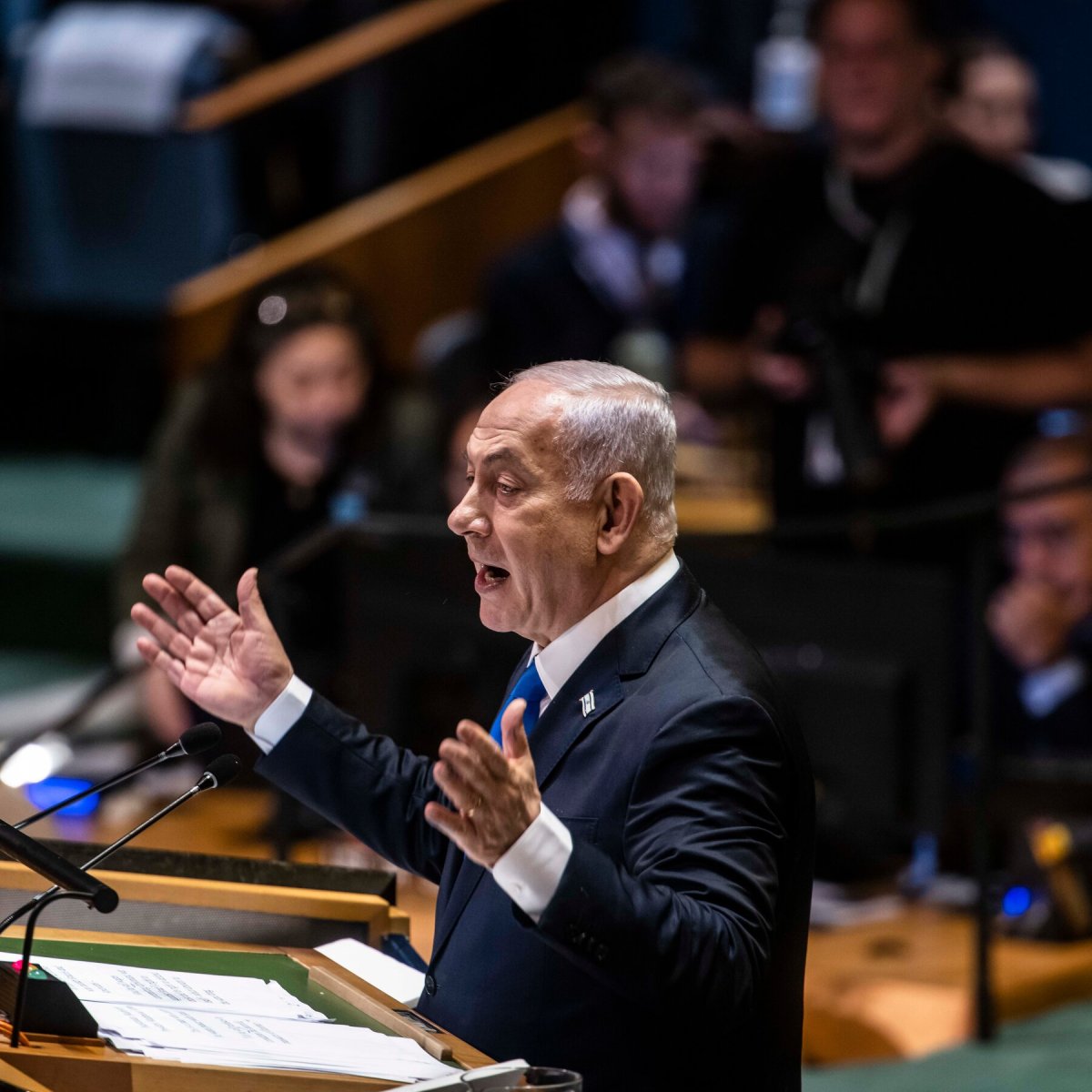
w/b 22nd of September 2025: This week saw dramatic turns on the world stage. Israeli Prime Minister Benjamin Netanyahu faced a mass walkout during his speech at the UN General Assembly in New York. In the U.S., President Trump made headlines once again with inflammatory claims, this time suggesting Tylenol causes autism, a condition widely…

Subscribe
Subscribe to get our the latest stories in your inbox.
 Reigniting Politics
Leave a comment