
w/b 14th of June 2025
This week, Labour MP Diane Abbott faces another suspension from the party following controversial remarks about race in the UK. Meanwhile, the government floats voting reforms that could see 16-year-olds casting their ballots in the next general election. Across the Atlantic, the holding of the Epstein files sends shockwaves through the US Congress.
In other global developments, Japan sees a surge in far-right support shaking up its electoral landscape. India and the UK move closer with a new trade agreement, and Colombia’s president visits Haiti amid spiralling gang violence, a sign of deepening diplomatic ties.
- w/b 14th of June 2025
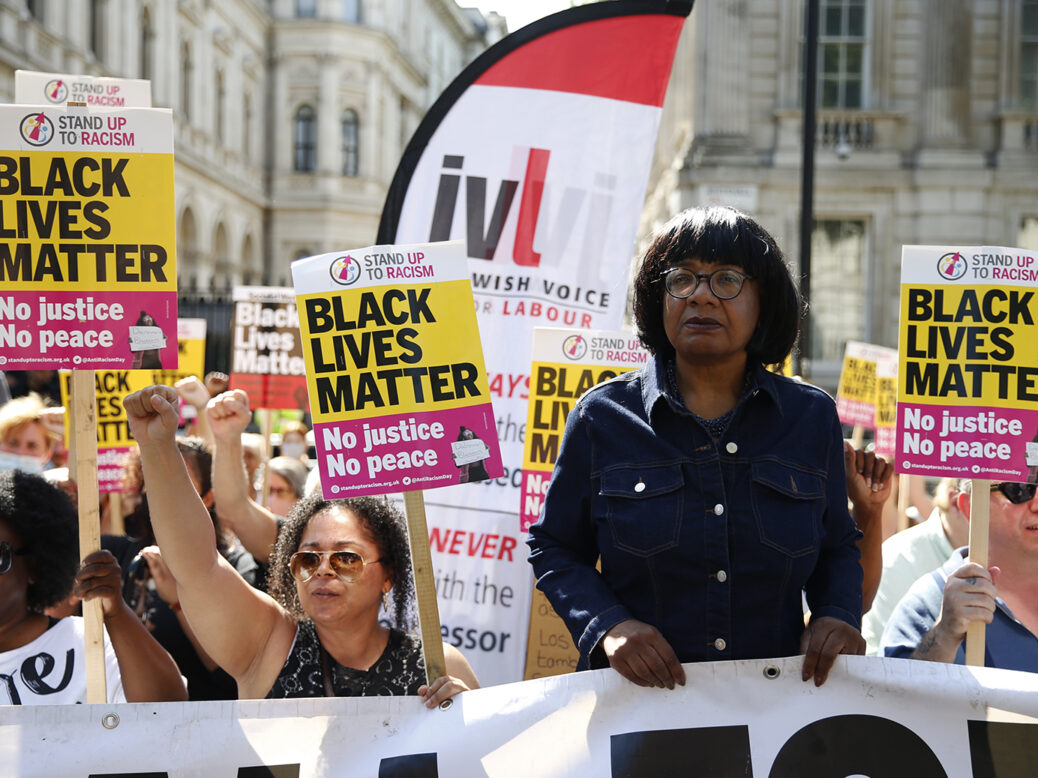
Diane Abbott’s Suspension and the State of Labour’s Race Politics

Diane Abbott, Britain’s first Black female MP and a longstanding figure on the Labour left, has been suspended from the party for a second time. This follows comments she made in a BBC interview on 17 July 2025, where she reaffirmed controversial views about racism that had already sparked backlash in 2023.
In that earlier incident, Abbott wrote to The Observer suggesting that while Jewish, Irish and Traveller people face prejudice, the racism experienced by Black people is different in kind, rooted in skin colour. She apologised at the time and underwent antisemitism training. However, in her latest interview, she repeated the view that colour-based racism is distinct and more severe. This led Labour to immediately suspend her again and reopen an investigation.
Keir Starmer’s leadership has been defined by efforts to enforce strict discipline and restore the party’s image, particularly after years of scrutiny over antisemitism under Jeremy Corbyn. Abbott’s refusal to apologise this time, and her insistence on the difference between types of racism, was taken as a breach of the party’s standards on equality.
For many on the left, though, Abbott’s comments reflect a real, if awkward, truth. They argue she was trying to speak from experience, pointing out how anti-Black racism often manifests visibly, structurally, and with a unique history. Her defenders believe her words were clumsily phrased but not malicious, and they worry the suspension sends a message that discussing racial nuance is off-limits.
Abbott herself claims she is being pushed out. She stated that the party leadership “wants me gone” and that she is being punished for holding views that do not fit the dominant narrative. Her allies, including some prominent activists and commentators, say the situation reveals how hard it is to have honest conversations about race without facing political consequences.
Others disagree, arguing that Abbott’s comments minimised the suffering of Jewish, Traveller and Irish communities. By drawing comparisons and distinctions, they say, she risks creating a hierarchy of oppression that fuels division rather than unity. Some Jewish groups have expressed deep hurt at her remarks, calling them reductive and dismissive.
The episode has also reignited tensions between the Labour leadership and its left wing. Abbott joins other former Corbyn allies who have been marginalised or disciplined. This includes the recent suspension of four MPs who rebelled on welfare reform. Starmer appears determined to show that he will not tolerate public disagreement, especially on sensitive topics like race.
What happens next is uncertain. Abbott is hugely popular in her constituency, and some believe she may stand as an independent if Labour permanently bars her. Her supporters have rallied around her, while critics argue that the suspension was necessary to uphold the party’s commitment to equality.
Beyond party politics, the case has sparked a wider debate. Britain is still grappling with how to talk about race, especially when experiences differ between communities. Abbott’s remarks, and the backlash to them, reveal how fraught and complicated these conversations can be.
Whether or not one agrees with what she said, the consequences of her suspension go far beyond Diane Abbott herself. This is about who gets to define racism, how political parties respond to controversy, and whether space exists in public life for complex, uncomfortable truths.
UK to Lower Voting Age to 16
The UK government has announced plans to lower the national voting age from 18 to 16. This marks the most significant expansion in over 50 years and will bring England and Northern Ireland into line with Scotland and Wales, where 16-year-olds have already been allowed to vote in local and devolved elections.
Supporters of the reform argue that 16- and 17-year-olds deserve the right to vote because many are already working, paying taxes, or in full-time education. Some may even serve in the military. The idea is that if young people contribute to society, they should also have a say in how it is run. The Labour government claims this move will strengthen democracy and build voting habits early, at a time when young people are still engaged in civics through school or college.
The change forms part of a broader electoral reform package. Other measures include automatic voter registration for teenagers when they turn 16, the acceptance of bank cards as valid ID at polling stations, and stronger regulations on foreign political donations. The government has also pledged to crack down on harassment of elected officials, increasing legal protections in light of growing concerns about abuse and intimidation in public life.
Opponents, however, have criticised the decision as politically motivated. Many Conservatives and Reform UK politicians argue that 16-year-olds are still legally minors in most areas of life, they can’t buy alcohol or cigarettes, stand for Parliament, or marry without consent. Critics claim this is a cynical attempt to expand the electorate in Labour’s favour, pointing to polling data that consistently shows young voters lean more towards Labour, the Greens, and the Liberal Democrats.
The numbers suggest the reform could enfranchise around 1.5 million new voters, roughly 3% of the electorate. While that’s unlikely to radically alter election outcomes on its own, some analysts argue it could make a difference in marginal seats or reshape the political tone of campaigns. Polling data shows that Labour currently leads among younger voters, with strong support also for the Greens and Liberal Democrats. But support is not exclusive, reform UK and other parties have gained traction with youth audiences, especially on platforms like TikTok.
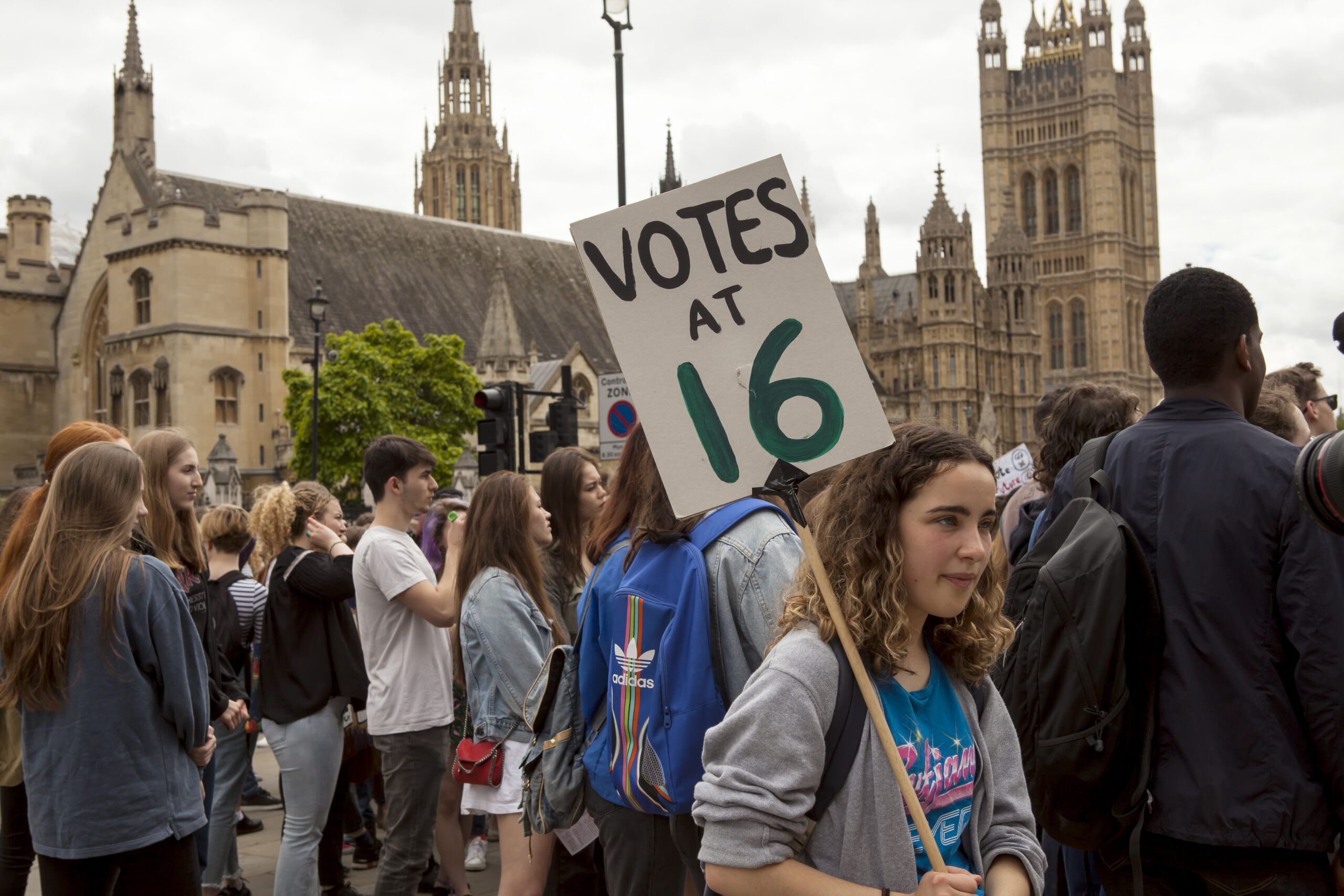

Still, public opinion remains divided. Surveys indicate that a majority of UK adults oppose lowering the voting age, with concerns about political maturity and susceptibility to influence. Interestingly, polling among 16- and 17-year-olds themselves suggests many are unsure about whether they want the vote. In some areas, only a small proportion of this age group has registered or turned out to vote where they are already allowed to do so, such as in Welsh Senedd elections.
Despite this, evidence from Scotland paints a more optimistic picture. Studies there suggest that when given the opportunity, many 16- and 17-year-olds do vote and are often more likely to remain engaged in elections later in life. Researchers argue that introducing voting at this younger age can help embed civic participation as a lifelong habit.
The next step is for the government to legislate through an upcoming Elections Bill. With Labour holding a strong majority, the bill is expected to pass without major resistance. The House of Lords may scrutinise the proposal, but it is unlikely to be blocked given its appearance in Labour’s manifesto.
The decision to lower the voting age is already shaping up to be one of the defining political shifts of this Parliament. Whether it will meaningfully transform turnout or voting patterns remains to be seen, but its symbolic significance is clear. It signals a renewed emphasis on youth engagement in politics and a belief that the future of democracy should include the voices of those just entering adulthood.
My Opinion on this
As with any major reform or policy shift, lowering the voting age to 16 could go either way. But on balance, I believe this is a positive and necessary step, both for the health of our democracy and for the development of young people as engaged citizens.
As a young person myself, I’m under no illusions about the average 16-year-old’s political maturity. I’ve sat in the same classrooms, heard the same daft comments, and watched the same TikToks. But I don’t believe turning 18 suddenly makes someone more thoughtful, rational, or informed. Maturity doesn’t arrive overnight with legal adulthood, and many people well into their twenties (and beyond) still make political choices based on vibes, Facebook comments, or whoever shouts the loudest. So the argument that 16-year-olds are “too immature” to vote rings hollow when we know full well that age doesn’t guarantee insight or understanding.
From a left-wing perspective, yes, this change probably helps Labour and other progressive parties. Young people generally lean left on key issues: climate change, housing, workers’ rights, social justice. But my support for the policy isn’t just partisan. I believe that giving young people a say while they’re still in education could actually improve the quality of our political landscape in the long run.
By linking the right to vote with school-age life, we create an opportunity to introduce political literacy while young people still have access to teachers, structured learning, and the space to ask questions. Too many people hit 18 and are suddenly expected to participate in a democracy they don’t understand, how Parliament works, what local councils do, how a bill becomes law. By then, many have already disengaged. At 16, support networks are still in place. There’s a chance to lay a foundation of civic knowledge that could last a lifetime.
It’s also about responsibility. Giving 16- and 17-year-olds the vote treats them as part of society, not just future adults in waiting. It’s a signal that their views, hopes, and concerns matter now, not just when they hit an arbitrary age threshold. That kind of early empowerment could foster a deeper sense of ownership over politics, and maybe even counter some of the apathy and misinformation that has plagued recent elections.
And let’s be honest: we’re not diving into the unknown here. This system has already been rolled out in Scotland and Wales, and it hasn’t caused democratic collapse. In fact, it’s worked well. Scottish research shows that younger voters do turn out when given the chance, and are more likely to stay engaged. So why shouldn’t the rest of the UK follow suit?
Of course, some people will always oppose this on principle. They’ll say it’s a ploy to rig elections, or that it dilutes the vote. But extending democracy has never been a neat or comfortable process. When women got the vote, when working-class men got the vote, when the age was lowered from 21 to 18, these moments were all met with suspicion. History tends to vindicate progress.
Ultimately, giving 16-year-olds the vote won’t solve all our political problems. But it’s a meaningful step towards a more inclusive and informed democracy. Let’s give young people the tools, and the trust, to shape the future they’ll inherit.
Epstein Files Drama Consumes Congress
Congress is once again embroiled in controversy, this time over the growing storm surrounding documents related to Jeffrey Epstein and his long-time associate, Ghislaine Maxwell. Calls for transparency have intensified in recent weeks, evolving from conspiracy-laced whispers into formal demands for the release of grand jury records and other sealed evidence. The issue has united some unlikely political allies while deepening rifts within and between the major parties.
The Department of Justice recently confirmed there is no definitive “client list” tied to Epstein’s criminal activities, and reiterated that he died by suicide in custody. But that hasn’t calmed the public. Online speculation, fuelled by years of secrecy and the high-profile nature of Epstein’s social circles, has only increased. Figures on the far right, particularly within the MAGA movement, have begun amplifying demands for full disclosure, seeing an opportunity to both push back on elite impunity and rally their base.
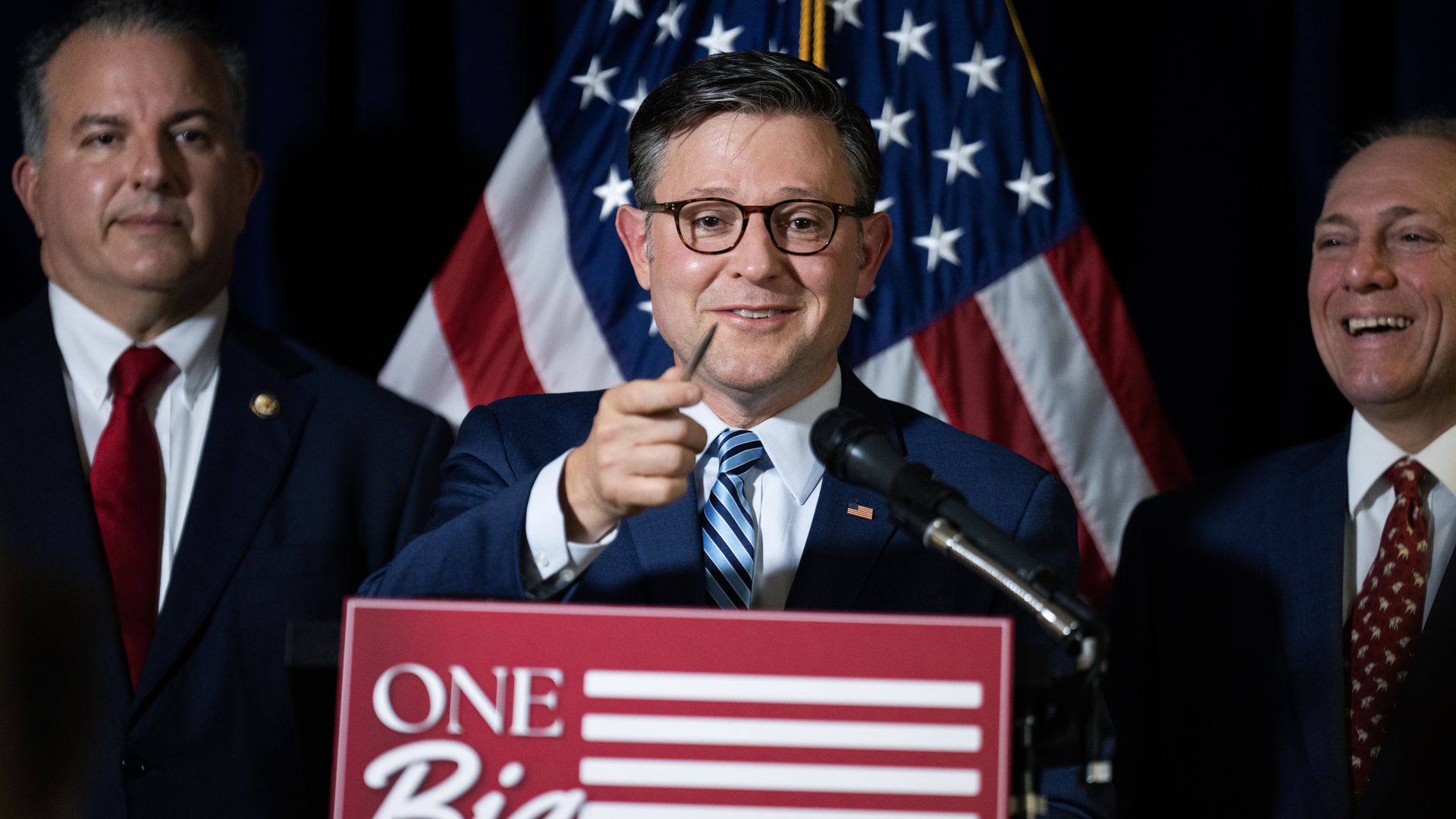
Speaker of the House Mike Johnson unexpectedly supported the release of all relevant records, including potential testimony from Maxwell. This puts him at odds with President Donald Trump, who has alternated between calling the Epstein scandal a media hoax and selectively endorsing limited transparency. Meanwhile, other Republicans blocked a Democratic attempt to force a vote on the release of Epstein-related documents, citing procedural concerns.
At the heart of the conflict is a bipartisan discharge petition launched by Democrat Ro Khanna and Republican Thomas Massie. Their effort seeks to bring the issue directly to the House floor, bypassing partisan gridlock. The petition has gained support from both progressive and conservative lawmakers, including Alexandria Ocasio-Cortez and Marjorie Taylor Greene. Together, they argue that public trust can only be rebuilt through full accountability.
Yet critics point out that grand jury transcripts are unlikely to offer the explosive revelations many expect. Legal experts warn that such documents are often sparse, heavily redacted, and do not necessarily include the names of every alleged associate. Still, the symbolic importance of releasing them cannot be overstated, for many, it’s about justice, not just headlines.
Attorney General Pam Bondi had previously implied that a so-called “client list” was under review, but has since walked back her statements. This only added to the chaos, as Republicans sympathetic to Trump accuse the DOJ of withholding information, while Democrats argue that the GOP is using the Epstein saga to deflect from other political troubles.
The stakes are growing. For the Republican leadership, the pressure from their base is enormous, but the internal division is just as damaging. For Democrats, the issue presents a chance to highlight conservative hypocrisy on transparency and law enforcement. And for the American public, it’s another moment where institutional accountability appears elusive.
As Congress heads toward its August recess, the issue remains unresolved. Whether the grand jury files will ever be released, and whether they’ll satisfy either side. is unclear. But what’s certain is that the Epstein files have become more than a legal matter. They’re now a lightning rod in America’s ongoing struggle over power, secrecy, and truth.

Other Global News this Week

Japan’s Far-Right Surge
Japan’s political landscape has been upended by the rise of the far-right Sanseitō party, which made major gains in the July 2025 upper house elections. Once dismissed as a fringe group, the party’s transformation from a pandemic-era YouTube channel into a serious electoral force has stunned mainstream politicians and commentators alike.
Sanseitō, led by Sohei Kamiya, capitalised on growing dissatisfaction with inflation, falling wages, and a perceived erosion of national identity. Its “Japanese First” message, blending economic populism with hard-line nationalism, appealed to disillusioned younger and lower-income voters—especially men. Though immigration ranked low among voter concerns in polling, the party’s anti-immigrant rhetoric struck a nerve among those frustrated with rising living costs and societal change.
The party now holds up to fourteen seats in the 248-member upper house—a small number, but enough to signal a profound shift in Japan’s post-war political norms. Sanseitō’s pledges to expand welfare for Japanese citizens, restrict foreign ownership, and reassert national sovereignty reflect a broader anti-globalist sentiment that echoes populist movements seen across Europe and the US.
Prime Minister Shigeru Ishiba’s governing LDP-Komeito coalition suffered a major blow, losing its upper house majority for the first time in years. The defeat weakens Ishiba’s position both at home and abroad, particularly in trade negotiations with the US. It also raises questions about the future of centrist politics in Japan, as more radical voices gain ground.
While some analysts argue that Sanseitō’s success may be a protest vote rather than the start of lasting dominance, few doubt its impact on political discourse. The party has dragged taboo topics like immigration and cultural purity into the mainstream. Whether this marks a short-term disruption or the beginning of a new era in Japanese politics remains to be seen.
India–UK Free Trade Agreement to Be Signed Next Week
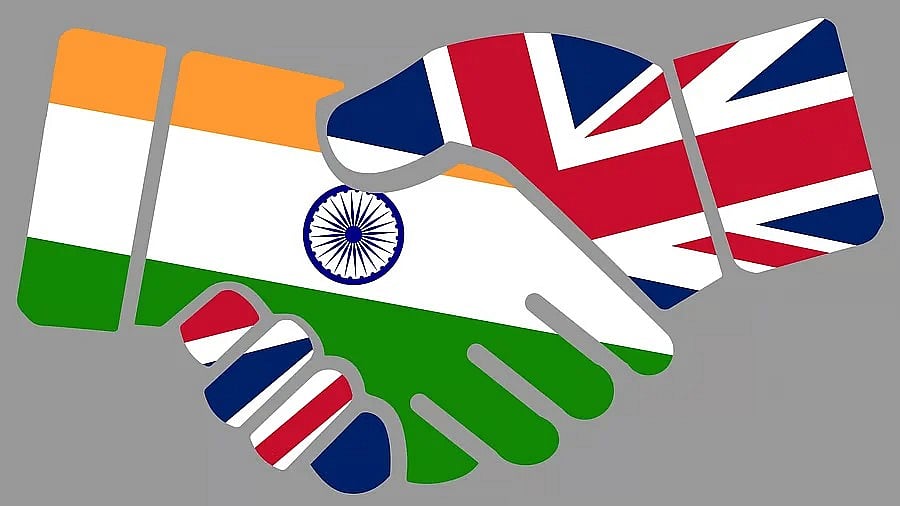
India and the UK are poised to sign a long-anticipated Free Trade Agreement (FTA) next week, marking a significant moment in post-Brexit Britain’s global economic outreach and a deepening of strategic ties with India. The deal will be formalised during Indian Prime Minister Narendra Modi’s visit to London on 23–24 July, ending three years of on-and-off negotiations.
The agreement is expected to lower or eliminate tariffs across a range of sectors. For India, this means improved access to the UK market for key industries like textiles, footwear, and electric vehicles. In return, British exporters—particularly whisky producers and car manufacturers—stand to benefit from major tariff reductions. Duties on Scotch whisky, currently at 150%, will be gradually reduced to 40% over a decade. Import taxes on British cars could fall from 100% to 10% within certain quotas.
Projections suggest the deal could double bilateral trade by 2030, with an estimated boost of over £25 billion annually. Services, intellectual property protections, and professional mobility are also set to be addressed in the FTA, benefiting both countries’ highly skilled sectors.
This agreement has symbolic as well as economic weight. For the UK, it reinforces efforts to build post-EU trade relationships and secure its relevance on the global stage. For India, it demonstrates growing international confidence in its market and diplomatic strength, especially in the context of other ongoing trade negotiations.
Despite the optimism, the deal’s full implementation will take about a year, pending approval by India’s federal cabinet and the UK Parliament. Still, the political commitment on both sides signals a shared strategic vision beyond trade—one that includes collaboration on tech, education, and security.
The FTA’s success will ultimately be judged by how well it delivers for ordinary workers, small businesses, and long-term growth. But for now, it’s a clear diplomatic win for both countries.

Gustavo Petro’s Effort to Aid Haiti’s Security Struggle
Colombian President Gustavo Petro has made his second visit to Haiti this year, stepping into a country in deep crisis. With nearly 90% of the capital, Port-au-Prince, under the control of armed gangs, Petro’s arrival marked both a show of solidarity and a bid to deepen regional cooperation.
During the visit, Petro officially opened Colombia’s new embassy in Haiti and met with the Haitian prime minister and members of the transitional council. Central to the talks was security. Petro pledged support to Haiti’s struggling police force, offering Colombian-led training for officers and auxiliary staff. Haitian officials have already visited Colombian defence institutions, a sign that the proposals are moving beyond symbolism.
This diplomatic outreach comes at a time of extreme violence in Haiti. Since October 2023, nearly 4,900 people have been killed and over 1.3 million have been displaced. A recent drug bust by Haitian authorities—partly supported by a UN-backed Kenyan police mission—shows some progress on the ground. However, the country remains largely overwhelmed, and armed groups still dominate vast areas.
Petro’s presence also stirs sensitive memories. Seventeen former Colombian soldiers are still facing prosecution for their role in the 2021 assassination of Haitian President Jovenel Moïse. Although Petro’s administration has distanced itself from their actions, the issue remains a source of anger and protest in Haiti. Demonstrators gathered outside the newly opened Colombian embassy during his visit.
This is Petro’s second trip to Haiti in 2025, following an earlier visit in January. The repeated engagement signals Bogotá’s intent to position itself as a stabilising force in the region. But as Haiti prepares for long-awaited elections in early 2026, the test will be whether symbolic gestures like this visit translate into real security improvements and political stability on the ground.
 Reigniting Politics
Leave a comment