w/b 16th of June 2025
This week, global tensions escalated once again, with no surprise that the main instigator was the USA, and Trump at the helm. Meanwhile, in the UK, two significant bills were passed: one decriminalisation of abortion seekers, and another finally legalising assisted dying, giving terminally ill adults the right to choose medical assistance to end their lives.
Elsewhere, Indonesian officials continue a desperate search on Mount Rinjani for a missing Brazilian tourist who fell from the volcano. Greece battles aggressive wildfires spreading across the country, while in Kenya, protests erupt following the police killing of a young blogger.
- w/b 16th of June 2025
US Air Strikes on Iran Mark Dangerous New Chapter in Middle East Crisis
In a dramatic escalation of the Israel–Iran conflict, the United States launched a massive and unprecedented air strike on Iran’s nuclear facilities in the early hours of June 22nd. Operation ‘Midnight Hammer’ as it was dubbed by US military officials, involved seven B-2 Spirit stealth bombers flying non-stop from Missouri, armed with 14 Massive Ordnance Penetrators, gigantic bunker-busting bombs, targeting Iran’s most heavily fortified nuclear sites: Fordow, Natanz, and Isfahan.
Read about the beginning of the Israel-Iran-USA conflict in last weeks post
The air operation was supported by a barrage of Tomahawk cruise missiles launched from submarines stationed in the region. While US President Donald Trump hailed the operation as a “spectacular success” and “the most significant air mission of its kind,” the true scale of the damage remains contested. American sources insist the nuclear facilities sustained “extremely severe damage,” but satellite analysis and international experts have urged caution, pointing out that Iran’s most sensitive enrichment work takes place deep underground, far below what even a MOP bomb may fully penetrate.1
This strike did not come out of nowhere. In the weeks leading up to it, Israeli jets had already been hammering Iranian air defence systems, missile infrastructure, and radar arrays in what appeared to be a calculated softening of the battlefield. The US, for its part, had kept a relatively low military profile until now, but Operation Midnight Hammer marks a full and formal entry into the conflict.
According to US defence officials, the purpose of the strike was to degrade Iran’s nuclear programme, which they say had reached a point of no return, with intelligence suggesting Tehran was within reach of assembling a nuclear weapon. Iranian officials have denied this, accusing the US of “state terrorism” and promising retaliation. Though no casualties have been reported so far, the attack has heightened fears of Iranian reprisals against US military bases, commercial assets, or diplomatic outposts, either directly or through proxy forces in the region.2
The strategic implications are enormous. For the US, this operation signals a willingness to use overwhelming force to prevent Iran from becoming a nuclear power, even at the risk of triggering wider war. For Iran, it represents both a humiliation and a dangerous provocation, one that may harden its internal politics and push the country further from diplomacy.

Meanwhile, global reactions have been mixed. Western allies like the UK have offered muted support, while the EU and UN have called for immediate de-escalation. Russia and China have condemned the strikes, accusing the US of destabilising an already fragile region. There is also widespread concern over what this means for the future of the Iran nuclear deal, which now looks entirely dead in the water.
In the short term, the strike may set back Iran’s nuclear capabilities. But in the longer term, it raises difficult questions: will this lead to renewed talks or unrelenting conflict? Is this a one-off show of force, or the beginning of something far worse? For now, the world watches, anxiously waiting to see whether this gamble leads to peace—or spirals into war.3
My Opinion on This
Make no mistake: this was not a measured act of defense. It was a reckless power play that risks plunging the Middle East (and the world) into greater chaos.
What’s most infuriating is how easily this could have been avoided. In what might be the simplest choice in democratic history, voters faced a clear option: keep Donald Trump, a convicted felon (among several other terrible things) or choose Kamala Harris. That was it. No radical left uprising, no complicated third-party insurgency—just a stark, binary choice between a man whose last term ended in an insurrection attempt and a mainstream Democrat who, while far from perfect, represented a chance for restraint and stability.
Yet millions turned their backs on that chance. Whether from disillusionment, misinformation, or tribal loyalty, they gave Trump a second shot at the presidency. And what do we have? A president who launches major military strikes without consulting Congress, ignores diplomatic avenues, and doubles down on the very policies that escalate conflict.
Worse still, Trump didn’t even clear this move with most of his own party. This was a unilateral act (ignoring key allies), sidelining political consensus, and violating international norms. Bombing a sovereign country without irrefutable evidence of an imminent threat isn’t “defense,” it’s aggression masquerading as strength.
The hypocrisy here is suffocating. The U.S., home to the second largest nuclear arsenal on Earth (only after its best-friend Russia) bombed Iran for attempting to develop nuclear technology. This comes after Trump’s reckless withdrawal from the Iran Nuclear Deal, an agreement that, for all its flaws, helped keep the peace for years. You tear up a deal and then act shocked when the other side ramps up activity? That’s not diplomacy, that’s bad faith.
And let’s talk about the narrative used to justify this violence: Iran is portrayed as “anti-women,” “anti-West,” and backward. Bombing a country under that banner isn’t liberation, it’s imperialism dressed up in moral posturing. The real victims are Iranian civilians; women, children, minorities, people who suffer under both their government and foreign bombs.
It’s especially grotesque because these so-called moral crusades ignore the West’s own role in creating these crises. The U.S. and UK have long propped up dictators, funded wars, and exploited the Middle East for oil and geopolitical gain. They toppled governments, armed militias, and then act surprised when chaos and authoritarianism flourish.
This strike isn’t strength, it’s cowardice. It’s the same old exceptionalism that puts profit and power over human lives. Without honest diplomacy rooted in justice and human rights, this will only sow more hatred, more violence, and more suffering.
If this doesn’t open eyes to how dangerous and destructive Trump’s approach really is, what will? The choice was never complicated, but the consequences of ignoring it will be devastating, and the world will pay the price.
UK Parliament Votes to Decriminalise Abortion in Historic Move Aimed at Ending Criminal Prosecutions
In a landmark decision on 17 June, the UK Parliament voted to decriminalise abortion in England and Wales, removing the threat of criminal charges for women who terminate their own pregnancies outside the existing legal framework.
The amendment, proposed by Labour MP Tonia Antoniazzi and attached to the government’s Crime and Policing Bill, passed by a significant majority of 379 to 137 in the House of Commons. It aims to repeal sections of the Victorian-era Offences Against the Person Act 1861, which have long been used to investigate and prosecute women for self-managed abortions.4
Although abortion has been legal in the UK under the 1967 Abortion Act, it remains technically a criminal offence unless carried out under strict medical guidelines (specifically with approval from two doctors and within the 24-week limit) In recent years, however, a rising number of women have faced legal action for breaching these requirements, often after using abortion pills obtained online or beyond the legal timeframe. Cases like Carla Foster, who was jailed in 2023, and Nicola Packer, who endured nearly five years under investigation before being acquitted, have sparked outrage and renewed calls for reform.
What the amendment does is end the ability of the state to prosecute women themselves for ending a pregnancy, whatever the circumstances. For doctors or unregulated providers, criminal penalties can still apply. But for the women making the choice, the fear of arrest or imprisonment will no longer hang over them.

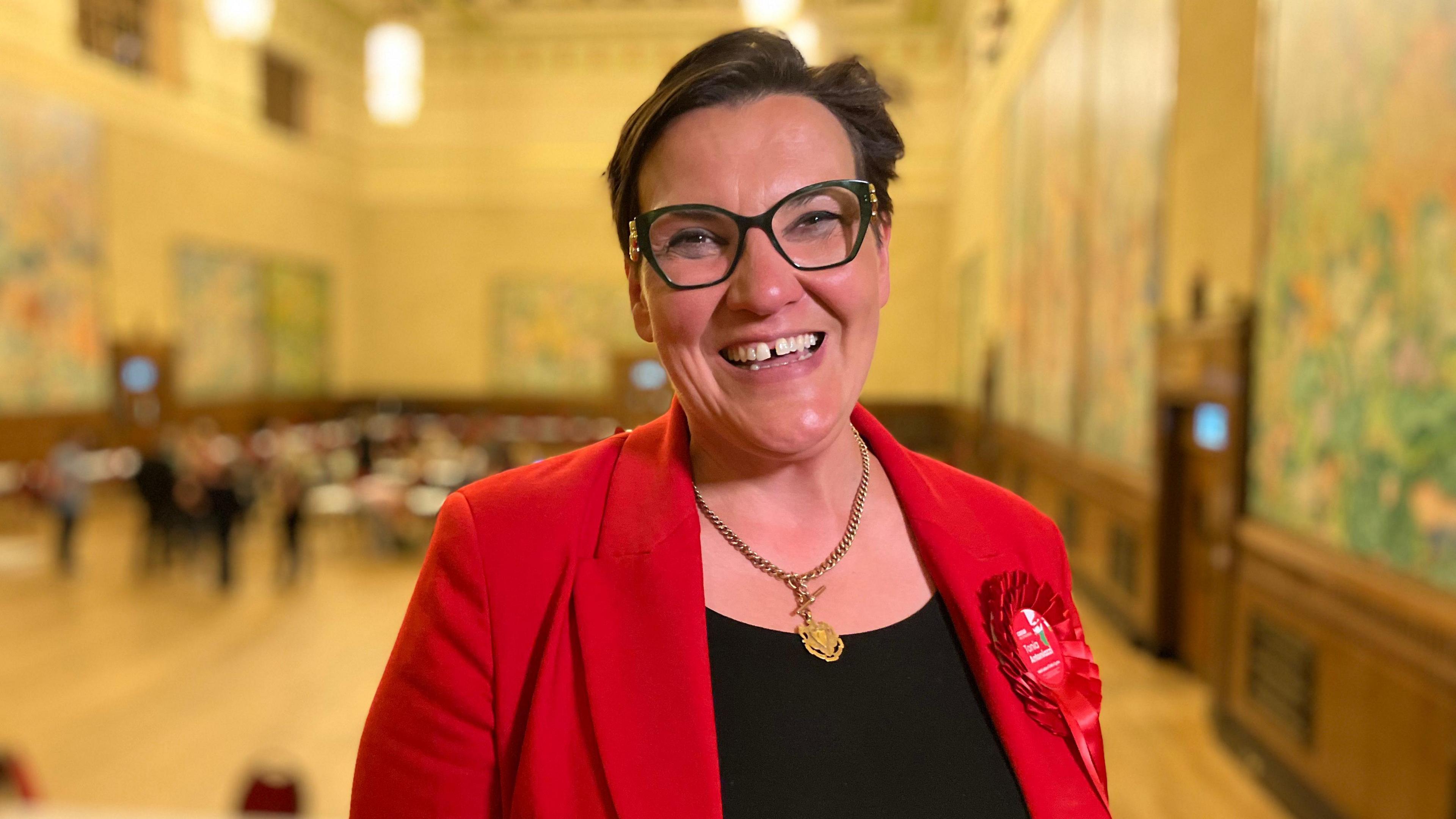

The vote has been welcomed by medical bodies, campaigners, and advocacy groups. The Royal College of Obstetricians and Gynaecologists, the Royal College of Nursing, and BPAS (the British Pregnancy Advisory Service) all applauded the decision, calling it a vital step toward treating abortion as a healthcare issue, not a criminal one. 5
Public pressure has been mounting for years, especially after temporary reforms during the COVID-19 pandemic allowed for telemedicine abortion care—where women could receive pills by post and take them at home. That temporary shift made many question why outdated laws still left women vulnerable to prosecution.
But the move has not been without opposition. Conservative MPs like Kemi Badenoch and Rebecca Smith spoke against the change, warning that it could undermine the 24-week limit and open the door to more late-stage terminations. Anti-abortion groups like Right to Life UK argued that decriminalisation could make it harder to detect abuse or coercion, framing the vote as a dangerous erosion of protections.
While the Commons has spoken clearly, the amendment must now pass through the House of Lords. Some peers have raised concerns over the scope and consequences of the reform, and debates there are expected to be more fraught. Nevertheless, this is the most significant step in reproductive rights legislation in the UK in decades.
For thousands of women every year, especially those in vulnerable or desperate situations, this vote means protection, not punishment. It brings the law closer to the realities of healthcare and compassion. Whether the Lords follow through remains to be seen, but this is a major shift, long overdue.
Historic Vote in Westminster Opens Door to Assisted Dying for Terminally Ill UK Adults
In another defining moment for social legislation this week, the UK House of Commons has approved the Terminally Ill Adults (End of Life) Bill, granting mentally competent adults in England and Wales who face death within six months conditional access to medical assistance to end their lives. The narrow margin, 314 in favour to 291 against on 20 June, reflects years of heart-wrenching debate and shifting public values.6
Read about the first round of Parlimentary voting for this bill here
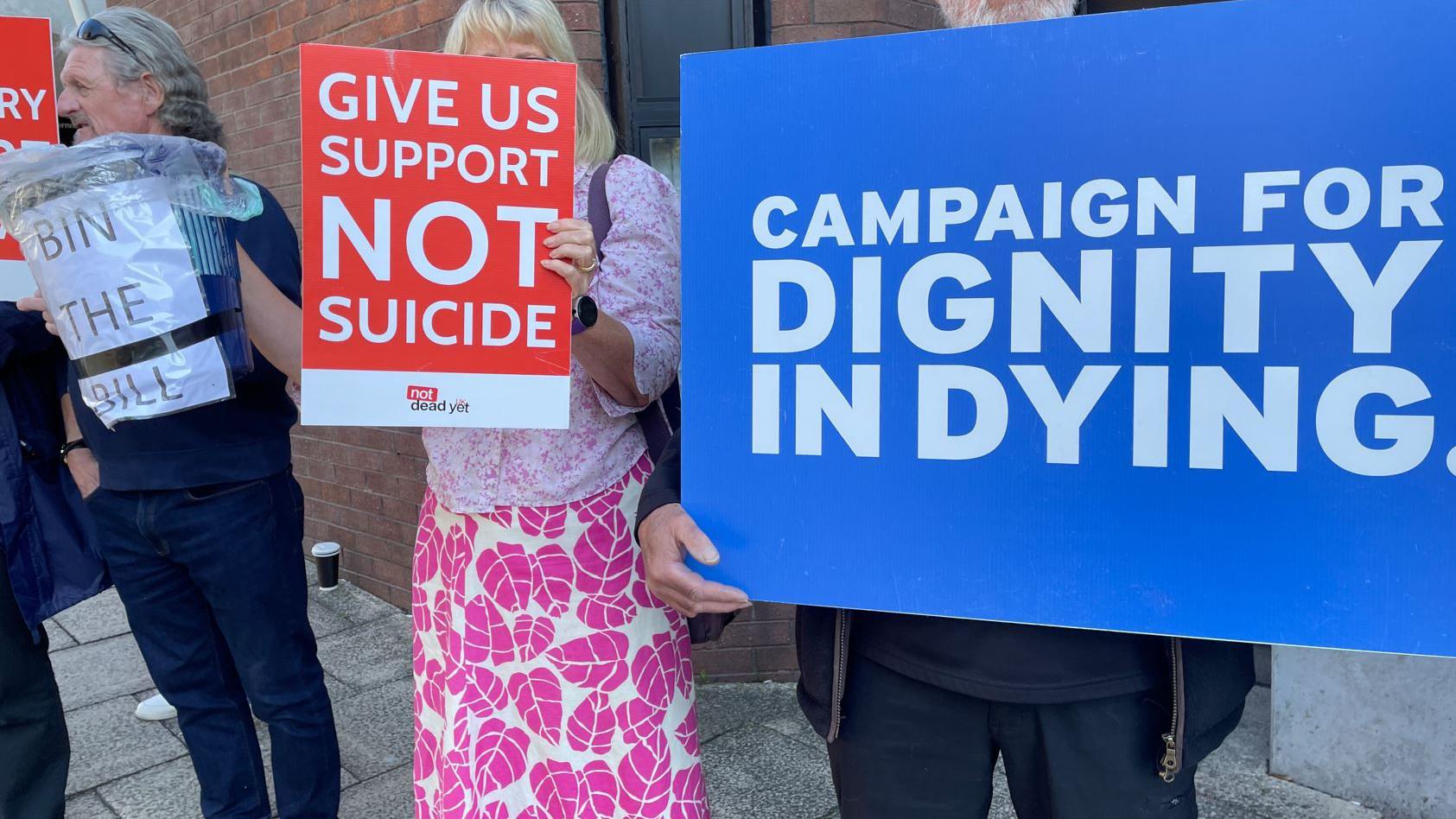
The bill represents the culmination of several failed attempts dating back to 2015 and was brought forward by Labour MP Kim Leadbeater under a private members’ route, sparking passionate speeches from MPs who recalled personal stories of terminal illness, unbearable suffering, and the limits of compassionate care.
Under its provisions, three safeguards must align before patients can proceed: approval by two independent doctors, confirmation of mental competence and terminal prognosis, and judicial oversight from a High Court judge.
These conditions follow extensive parliamentary scrutiny and aim to prevent misuse while preserving the autonomy and dignity of individuals nearing the end of life . What supporters frame as compassionate choice (now backed by roughly 73% public support in recent polling) is pastoral relief to those trapped in pain and isolation
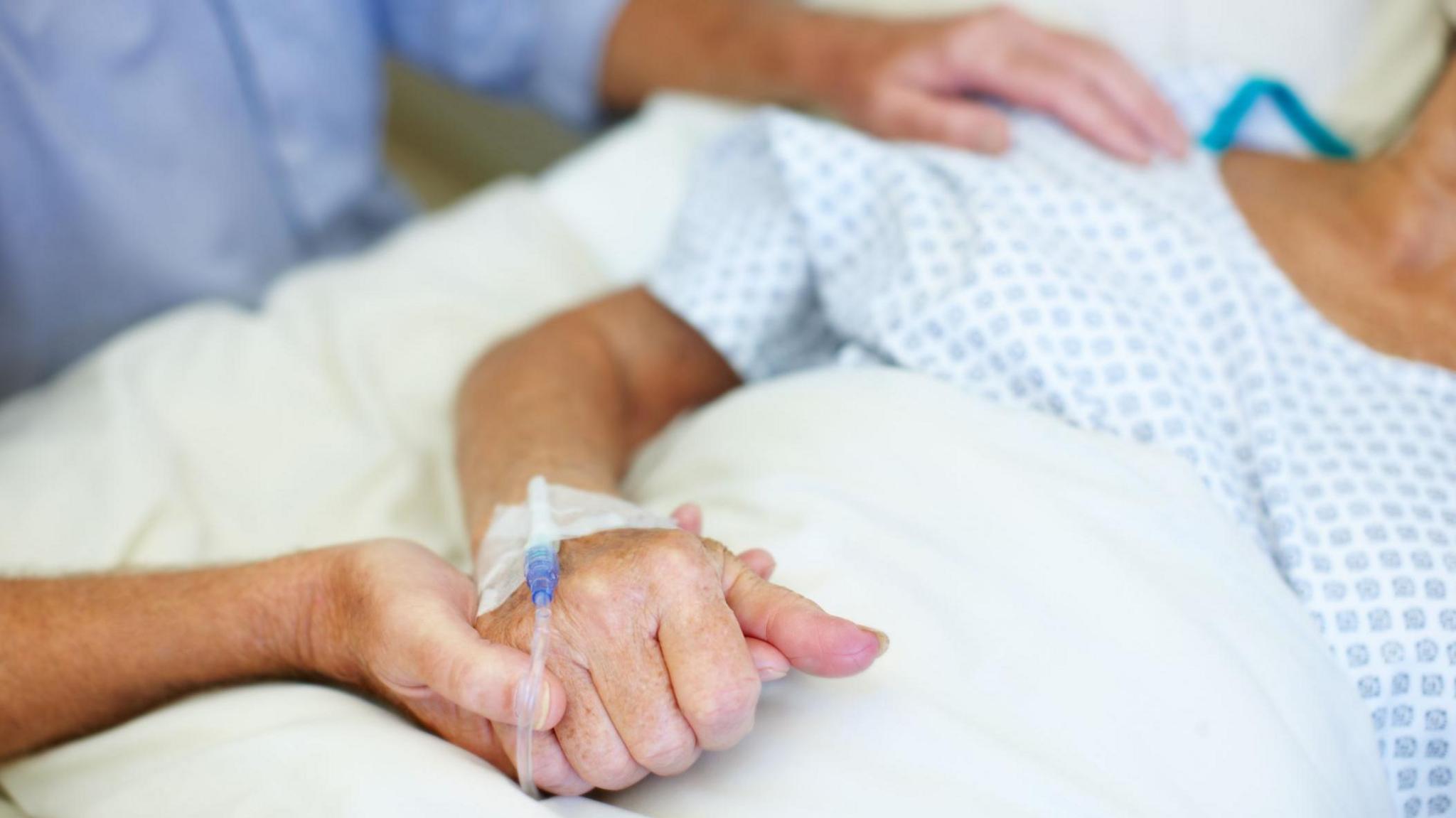
Medical professionals, advocacy organisations and many MPs support it as the government affirms that the bill’s strict provisions make it among the strongest such frameworks globally .
Opposition remains, especially from conservative voices and disability advocates who express concerns about potential coercion or pressure on vulnerable individuals. They fear a cultural shift toward accepting assisted dying as a default, and worry the NHS may rely on it instead of improving palliative care .7
Some MPs changed their vote between earlier readings—highlighting how religious beliefs influenced conscience-led decisions, particularly among faith-based MPs uneasy about condoning life-ending choices.8
The bill now moves to the House of Lords, where several months of debate and proposed amendments lie ahead. While the Lords traditionally defer to the Commons, this deeply ethical issue may provoke substantial opposition and technical scrutiny . Should the Lords approve, implementation must begin within four years, and parameters around NHS delivery and oversight boards still require clarification.
For many families, this change signals the end of clandestine trips to Switzerland or anguish over forced suffering at home. Yet critics caution: this law must not overshadow efforts to enhance palliative care or strip away protections from those who are vulnerable. The next steps will determine whether the UK can navigate the delicate balance between compassion and caution in one of life’s most profound final chapters.
Other Global News this Week

Brazilian Tourist Missing After Fall on Indonesia’s Mount Rinjani
A desperate rescue mission is underway in Indonesia after 26-year-old Brazilian tourist Juliana Marins fell from a cliff while hiking near the crater of Mount Rinjani, one of the country’s tallest and most dangerous volcanoes. Marins was trekking with a group early Saturday morning when she reportedly slipped near the summit trail, in low visibility and treacherous conditions.
Rescuers initially believed she had survived the fall. Park authorities said they heard her calling for help on Saturday, and drone footage appeared to show her moving at the base of a steep, grey cliff. However, by the time rescue teams descended 300 metres to the location, she had vanished. Fog and unstable terrain hampered efforts to reach her, and by Sunday, she was no longer visible on camera.
On Monday, new drone footage located her again—this time even further down the slope. But the team was forced to retreat due to worsening weather and treacherous terrain.
Shockingly, Mount Rinjani has remained open to tourists throughout the ordeal, with other hikers still climbing the same path where Marins fell. The family has criticised the park’s decision not to close the trail during the rescue.
Mount Rinjani, standing at over 3,700 metres, is the second-highest volcano in Indonesia and known for its difficult terrain. Previous fatal accidents have occurred, including the deaths of climbers in 2022 and earlier this year.
As rescue teams race against time and weather, international attention is growing—and with it, urgent questions about safety, rescue response, and responsibility on one of Indonesia’s most popular but perilous peaks.9
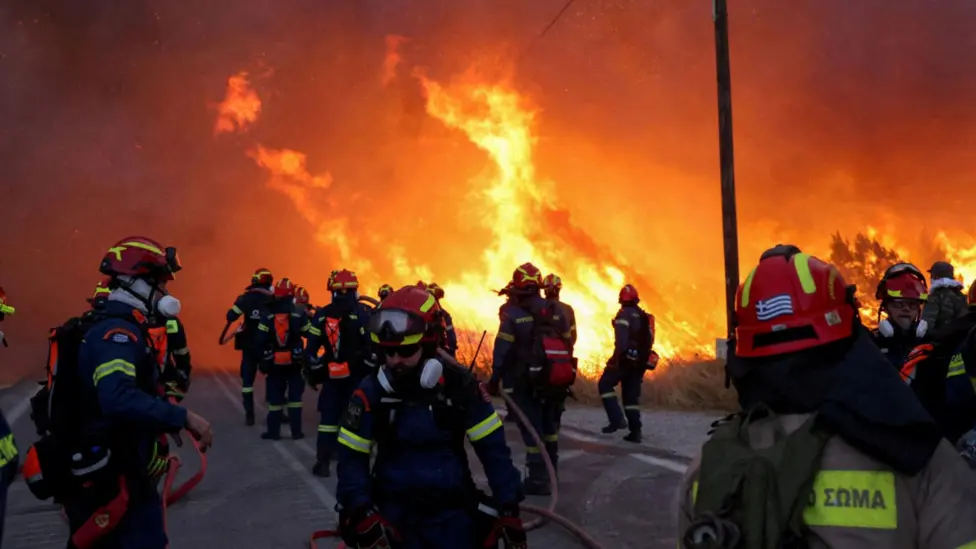
Wildfires Rage Across Chios as Greece Declares State of Emergency
The Greek island of Chios is battling five simultaneous wildfires, prompting a state of emergency and the evacuation of 17 communities. Fueled by strong winds and dry conditions, the fires erupted in quick succession over Sunday and Monday, raising suspicions of arson. Authorities have launched a formal investigation to determine if the fires were deliberately set.
The blazes began in the areas of Kofinas, Agia Anna, and Agios Makarios on Sunday, with two more fronts igniting shortly after midnight and into Monday morning in Agios Markos and Agiasmata. The fires have already damaged homes, farmland, and infrastructure. Several houses and at least one distillery have reportedly been destroyed, with residents unsure whether they can return to what’s left of their property.
Around 190 firefighters are currently on the ground, backed by 11 helicopters and planes. Reinforcements from Athens and Thessaloniki, are en route to bolster the island’s stretched resources. Locals, too, have stepped in, forming bucket lines and using whatever they can to fight the flames.
The fires have also hit the island’s power grid, causing blackouts in the Vrontados area. Emergency crews from Lesvos have been sent to carry out repairs, while planned power cuts are being used to support firefighting operations. Water supplies have also been affected.
This marks Greece’s first major wildfire event of the summer, and with temperatures expected to rise further this week, the crisis may not be over yet.10
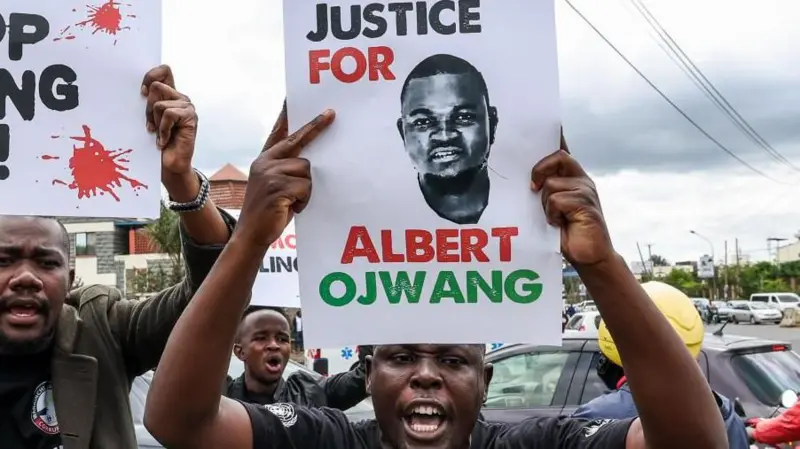
Kenyan Police Charged Over Blogger’s Death as Protests Erupt
Kenya is facing renewed national unrest after three police officers were charged with the murder of 31-year-old blogger Albert Ojwang, who died earlier this month while in police custody. His death, initially described by authorities as “self-inflicted,” was later exposed as likely caused by assault, following an independent autopsy. Public anger has surged, and protests have erupted across Nairobi and other cities, demanding accountability and an end to police brutality.
Ojwang had been arrested after Deputy Police Chief Eliud Lagat filed a defamation complaint over social media posts. Lagat has since stepped aside pending the investigation, though he denies any wrongdoing. On Monday, three police officers and three civilians appeared in court over the killing. None have yet entered pleas.
The crisis deepened when Boniface Kariuki, a 24-year-old street vendor, was shot in the head during a protest last week. He had been selling face masks when a masked officer opened fire at close range. Footage of the shooting has gone viral, fuelling further outrage. Kariuki is now in critical condition and on life support, unable to speak or see. His family has demanded justice, insisting he was not armed or posing a threat.
Human rights groups and foreign embassies have condemned the killings and demanded full transparency in the investigations. For many Kenyans, these two cases are not isolated incidents—they represent a deeper rot in the country’s policing system, one where impunity too often shields those in power from the consequences of lethal force.11
Footnotes
- Yousif, N. (2025). What We Know about US Air Strikes on Iran’s Nuclear Facilities. BBC. [online] 22 Jun. Available at: https://www.bbc.com/news/articles/cvg9r4q99g4o [Accessed 23 Jun. 2025]. ↩︎
- Sky News (2025). Iranian Nuclear Sites Sustained ‘extremely Severe damage’ after US strikes, Pentagon Says. [online] Sky News. Available at: https://news.sky.com/story/iranian-nuclear-sites-sustained-extremely-severe-damage-us-says-13387146 [Accessed 23 Jun. 2025]. ↩︎
- Goodwin, A., Gianluca Mezzofiore, Edwards, C., Bordeaux, T. and Yeung, J. (2025). How Badly Have US Strikes Damaged Iran’s Nuclear facilities? Here’s What to Know. [online] CNN. Available at: https://edition.cnn.com/2025/06/21/middleeast/nuclear-sites-iran-us-bombs-wwk-intl [Accessed 23 Jun. 2025]. ↩︎
- McKiernan, J. (2025). MPs Vote to Decriminalise Abortion for Women in England and Wales. BBC News. [online] 17 Jun. Available at: https://www.bbc.co.uk/news/articles/c2le12114j9o [Accessed 23 Jun. 2025]. ↩︎
- Al-Othman, H. (2025). MPs Vote to Decriminalise Abortion in Step Forward for Reproductive Rights. [online] The Guardian. Available at: https://www.theguardian.com/politics/2025/jun/17/decriminalisation-abortion-vote-mps [Accessed 23 Jun. 2025]. ↩︎
- BBC (2025). MPs Narrowly Back Legalising Assisted Dying in England and Wales by 23 Votes – Live Updates. BBC News. [online] Available at: https://www.bbc.co.uk/news/live/cg4ry0pge4kt [Accessed 23 Jun. 2025]. ↩︎
- Marsi, F. (2025). UK Parliament Approves Assisted Dying bill: How Would It work? [online] Al Jazeera. Available at: https://www.aljazeera.com/news/2025/6/21/uk-parliament-approves-assisted-dying-bill-how-would-it-work [Accessed 23 Jun. 2025]. ↩︎
- Jeffery, D. (2025). Assisted dying: 56 MPs Switched Their Vote between Rounds – Here’s How Religion Affected Their Choices. [online] The Conversation. Available at: https://theconversation.com/assisted-dying-56-mps-switched-their-vote-between-rounds-heres-how-religion-affected-their-choices-259589 [Accessed 23 Jun. 2025]. ↩︎
- Ferreira, S. (2025). Rinjani: Rescuers Search for Brazilian Tourist Juliana Marins on Indonesian Volcano. BBC News. [online] 23 Jun. Available at: https://www.bbc.co.uk/news/articles/crk60k8gp8jo [Accessed 23 Jun. 2025]. ↩︎
- Wertheimer, T. (2025). Chios: Wildfires Rage on Greek Island. BBC News. [online] 23 Jun. Available at: https://www.bbc.co.uk/news/articles/cz09lmngyv2o [Accessed 23 Jun. 2025]. ↩︎
- Soy, A. (2025). Albert Ojwang’s death: Kenyan Police Officers Charged with Blogger. BBC News. [online] 23 Jun. Available at: https://www.bbc.co.uk/news/articles/cz09l4k4184o [Accessed 23 Jun. 2025]. ↩︎

Subscribe
Subscribe to get our the latest stories in your inbox.
Reigniting Politics
Designed with WordPress
 Reigniting Politics
Leave a comment