19th of May 2025
This week’s political mood feels like the slow unpicking of old decisions. At home, the two-child benefit cap is under serious pressure, with Labour figures publicly challenging a policy long emblematic of austerity-era cruelty. While Keir Starmer remains non-committal, the growing calls for repeal suggest the ground is shifting beneath his feet. Meanwhile, a major new UK-EU trade agreement signals a recalibration of Britain’s post-Brexit stance, smoothing over years of friction and nudging the country closer to Brussels—albeit quietly.
Internationally, violence and instability dominate the headlines. Russia launched its largest drone attack yet on Ukraine, escalating a conflict that shows no signs of cooling. In Mali, mass protests against the ruling junta reflect rising anger over authoritarian power grabs and a deteriorating security situation. And in Tel Aviv, a US citizen was arrested for attempting to firebomb a US Embassy office, highlighting growing concerns around extremism and diplomatic security.
UK-EU Trade Deal Finalised
While trade agreements between The UK and the EU started last weeks, the new trade and cooperation agreement has finally been finalised, signalling a shift in the often-tense post-Brexit relationship. Quietly negotiated and announced with relatively little fanfare, the deal is already being referred to by some as a “reset,” reflecting its aim to smooth over several sticking points that have plagued UK-EU relations for years. It doesn’t undo Brexit, but it marks a clear step away from the era of confrontation and friction.
Read last weeks blog here
The agreement contains a number of practical changes, many of which address issues that have frustrated businesses, travellers, and young people since the UK formally left the EU’s orbit. While the government has been careful to emphasise that the UK is not rejoining the single market or customs union, it is clear that both sides were prepared to compromise to make cooperation easier and more productive.
Some of the key provisions of the deal include:
- Trade facilitation: UK food exporters will now face fewer border checks when selling into the EU. This streamlining of customs procedures is expected to reduce delays and lower costs for businesses that have struggled with red tape since Brexit.
- Fisheries access: In a controversial move, the UK has agreed to allow EU fishing vessels continued access to British waters for 12 more years. This concession helped secure broader trade benefits but has triggered anger from the UK fishing industry, which feels it has once again been sidelined.
- Youth mobility scheme: A new programme will make it easier for young people to travel, live, and work across the UK and EU. This goes some way to restoring opportunities lost with the end of freedom of movement and has been widely welcomed by student and cultural organisations.
- Defence and security cooperation: British defence firms will be allowed to participate in certain EU military and cybersecurity projects. This step reflects the growing recognition that national and regional security cannot afford to be divided by old Brexit lines.
- Travel improvements: UK passport holders will once again be able to use EU e-gates at airports and border crossings, reducing queues and improving the travel experience for tourists and business travellers alike.

Behind the scenes, the negotiations that produced this deal were deliberately low-key. Talks were held quietly over several months and culminated at Lancaster House, where Prime Minister Keir Starmer and European Commission President Ursula von der Leyen reached the final agreement. A major point of contention was fishing rights, with the UK initially seeking a shorter access window for EU vessels. Ultimately, the government relented in order to lock in wider trade benefits.
While the government is already touting the agreement as an economic boost, the real measure will be in the implementation. Treasury officials estimate that the changes could add as much as £9 billion a year to the UK economy by 2040, mainly by improving the flow of goods, reducing costs, and restoring investor confidence. Businesses in food production, retail, and logistics stand to benefit most in the short term.
Initial reactions have been mixed. Business groups have largely praised the deal. Food exporters, in particular, are relieved to see some of the post-Brexit hurdles being removed. Student organisations and youth campaigners have welcomed the mobility scheme as a long-overdue step in the right direction. On the other hand, fishing industry leaders have condemned the fisheries concession, calling it a betrayal of Brexit promises.
Still, this agreement shows that it is possible for the UK and EU to work together pragmatically after years of hostility. It’s not a return to the pre-Brexit status quo, but it is a signal that cooperation, rather than confrontation, is once again on the table. For many in business, travel, and education, that shift will come as a relief. Whether it leads to a more enduring change in tone remains to be seen, but it’s certainly a start.
Scrapping the Cap

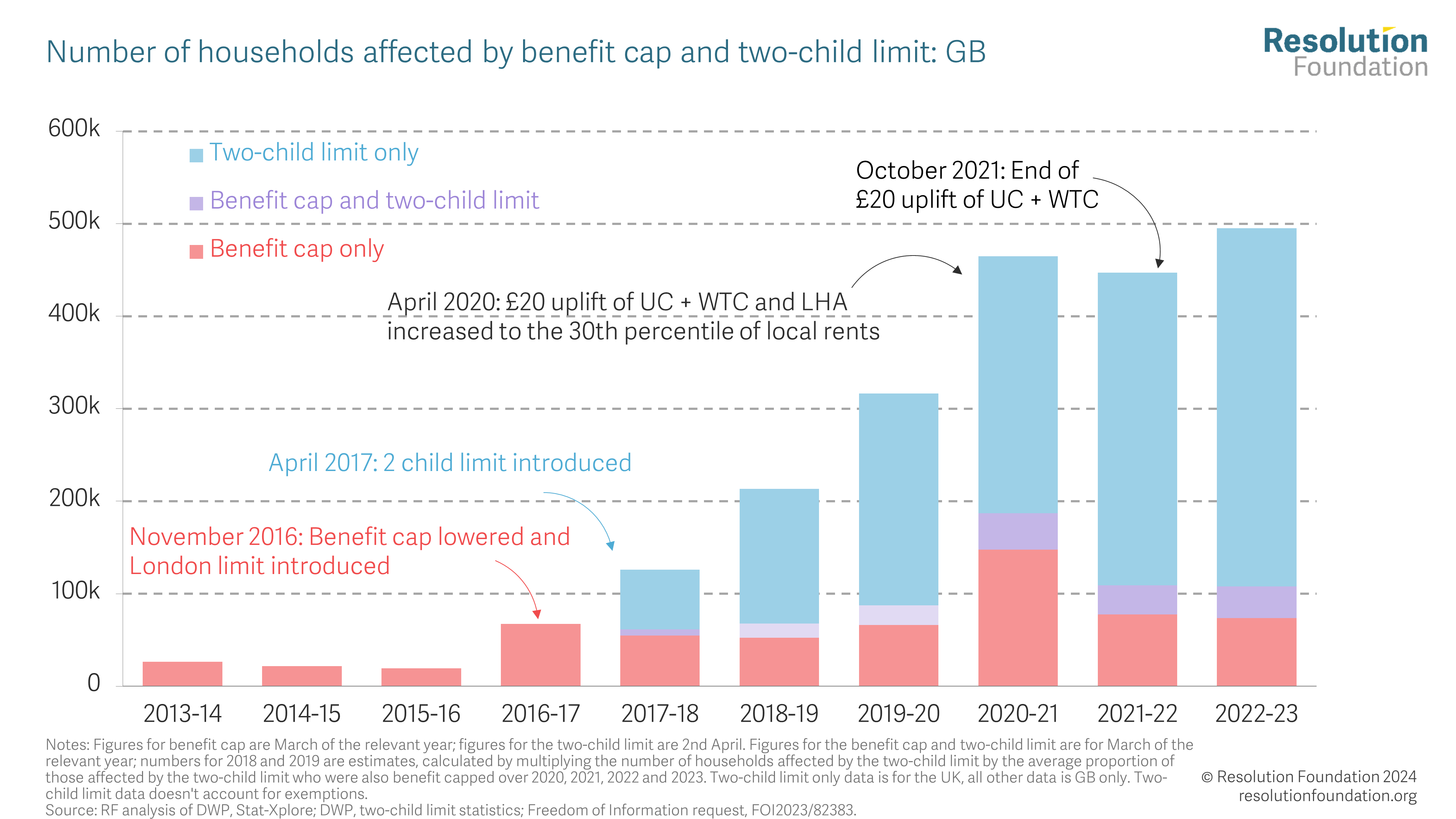
The two-child benefits cap, introduced in 2017 by the Conservative government, has always been one of the most controversial aspects of the UK’s welfare system. At its core, the policy limits child tax credit and universal credit to the first two children in a family unless exceptional circumstances apply.
Over the past eight years, it has become a symbol of punitive austerity measures that have had a disproportionate impact on the country’s poorest families. This week, that controversy was reignited with force, as the Labour government was once again pushed to clarify its stance on the future of the policy. The result? More ambiguity, more political tension, and yet another reminder of how uncomfortable Starmer’s government is when it comes to tackling child poverty head-on.
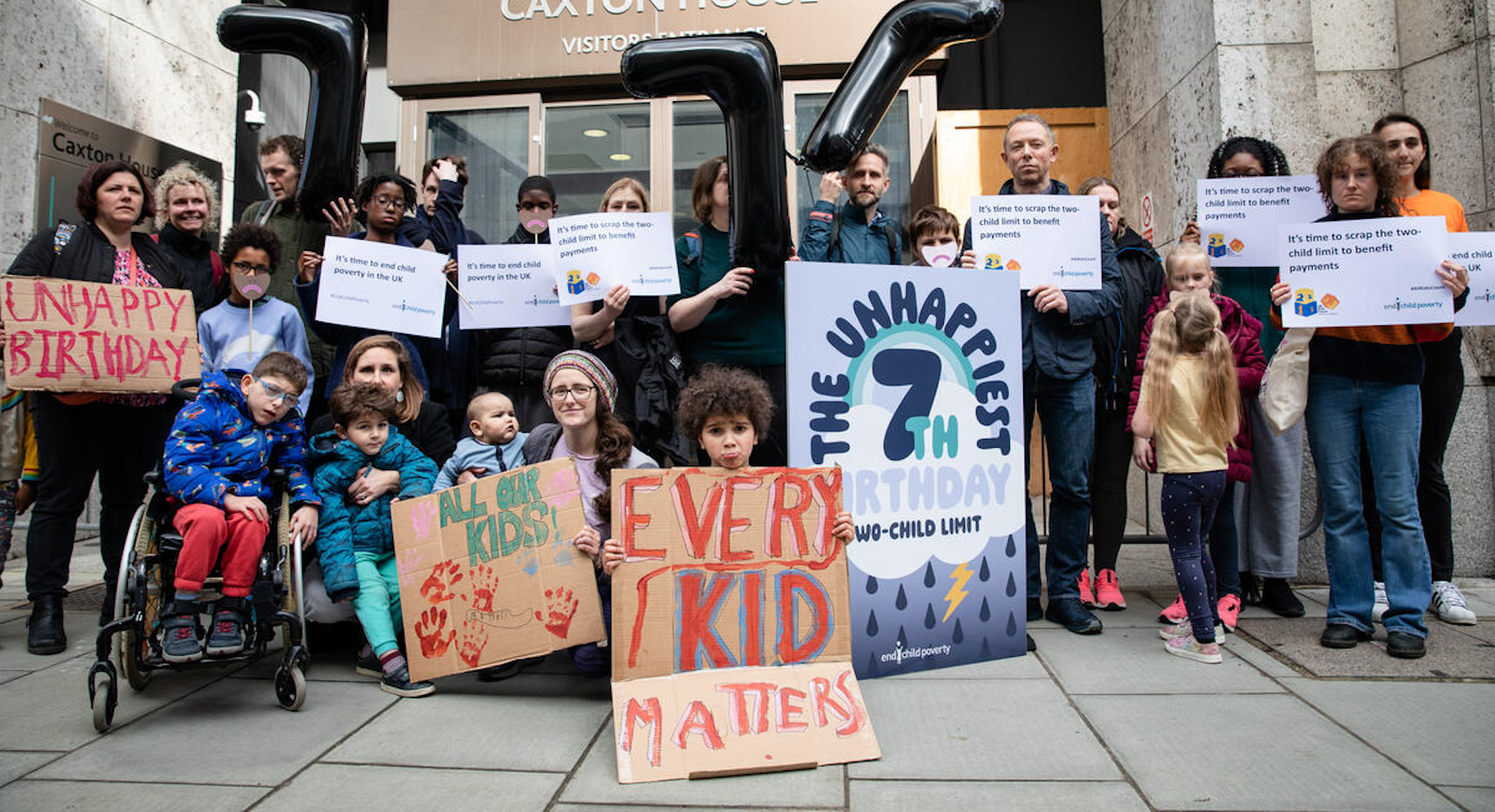
The policy itself costs lives in slow, grinding ways. Child Poverty Action Group estimates that lifting the cap could bring 350,000 children out of poverty, and ease the burden for 700,000 more. This isn’t a marginal issue. It’s not about tweaks to benefits or streamlined forms, it’s about whether a government is willing to let children grow up hungry because their parents had one child too many.
At the same time, Labour’s leadership continues to dodge the issue. Angela Rayner refused to “speculate” on changes to the policy when questioned last week, sticking to vague affirmations about tackling poverty and “reviewing” support.
Rachel Reeves, meanwhile, appears to be engaging in quiet arithmetic behind the scenes, floating possible tax rises to cover the estimated £3 billion annual cost of repeal. It’s a number the Treasury is clearly wary of. The result is political inertia: no commitment to change, but a growing unease with the status quo.
This hedging is made all the more frustrating by the moral clarity shown by critics outside Westminster. Charities, social justice groups, and religious leaders have been clear for years that the two-child limit is fundamentally unjust.
It does not push people into work, most of those affected are already in employment. It doesn’t incentivise family planning, it punishes families retrospectively. And it’s not targeted austerity; it’s a blanket cut that makes no distinction between those who can afford more children and those who cannot.
Adding a surreal twist to the week’s events was Nigel Farage’s return to the political stage, pledging that Reform UK would not only scrap the two-child limit but also reinstate universal winter fuel payments.
Austerity refers to a set of political and economic policies aimed at reducing government deficits through spending cuts, welfare reductions, and limited public investment. It gained traction in the UK following the 2008 financial crisis, when successive governments, particularly under David Cameron’s Conservatives, argued that slashing public expenditure was necessary to stabilise the economy. In practice, austerity has meant shrinking the welfare state and pushing the burden of economic recovery onto the poorest and most vulnerable.
Policies like the two-child benefits cap are a direct product of this ideology: designed not necessarily to improve outcomes or efficiency, but to save money by limiting access to support. Austerity reframes poverty as an individual failing rather than a structural issue, and its policies often function more as deterrents than safety nets. The cap doesn’t just restrict benefits, it sends a message about who deserves help, and under what conditions. It’s not just economics; it’s ideology dressed up as fiscal responsibility.
In a bizarre realignment, Farage has positioned himself to the left of Labour on this issue, echoing populist talking points that prioritise “British families” over fiscal prudence. Whether he believes in any of it is irrelevant, the fact that Labour risks being outflanked by the hard right on child welfare should be a red flag for anyone hoping this government will offer a genuine break from austerity.
The politics of the two-child cap are rapidly becoming a litmus test for Labour’s broader ideological direction. For months, Starmer has sold himself as the man who will bring responsibility and credibility back to government.
But there’s a difference between economic responsibility and moral cowardice. The cap is not a complex or technical issue. It is straightforwardly cruel. If Labour can’t find the political will to scrap it, especially with a majority government and public support behind repeal, then what exactly are they offering?
The weeks ahead will be critical. With the autumn budget on the horizon and internal party pressure mounting, Starmer’s team must decide whether they are serious about tackling poverty or merely interested in managing it.
My Opinion on this
The ongoing silence from Labour’s leadership on scrapping the two-child benefit cap is frustrating, and frankly, risky. This isn’t just a policy debate; it’s a test of values and political will. Families affected by the cap are living the consequences every day, children going hungry, parents forced into impossible choices, and yet the government seems reluctant to take a clear stand.
Keir Starmer’s cautious approach may be about managing party unity or budget concerns, but in practice, it comes across as a government unwilling to confront the harsh realities of poverty head-on. When seven Labour MPs defied the party whip to vote for repeal and faced suspension as a result, it sent a clear signal: party discipline trumps urgent social justice issues.
Labour talks about “reviewing” the cap and “balancing the books,” but these words ring hollow for families struggling to make ends meet. Vague promises won’t fill empty stomachs or keep homes warm. If Labour wants to prove it truly stands for the vulnerable, it needs to move beyond cautious rhetoric and take decisive action.
This hesitation also risks ceding ground to voices on the political fringe, like Nigel Farage, who have started to position themselves as champions of working-class families, despite their broader agendas. For Labour, which once proudly claimed the mantle of social justice, this should be a wake-up call.
Ultimately, scrapping the two-child cap isn’t just the morally right move, it’s essential if Labour wants to rebuild trust with communities disillusioned by years of austerity and neglect. It’s time to choose between political caution and genuine leadership.
Other Global News this Week
Russia Launches Record Drone Attack on Ukraine Amid Escalating Conflict
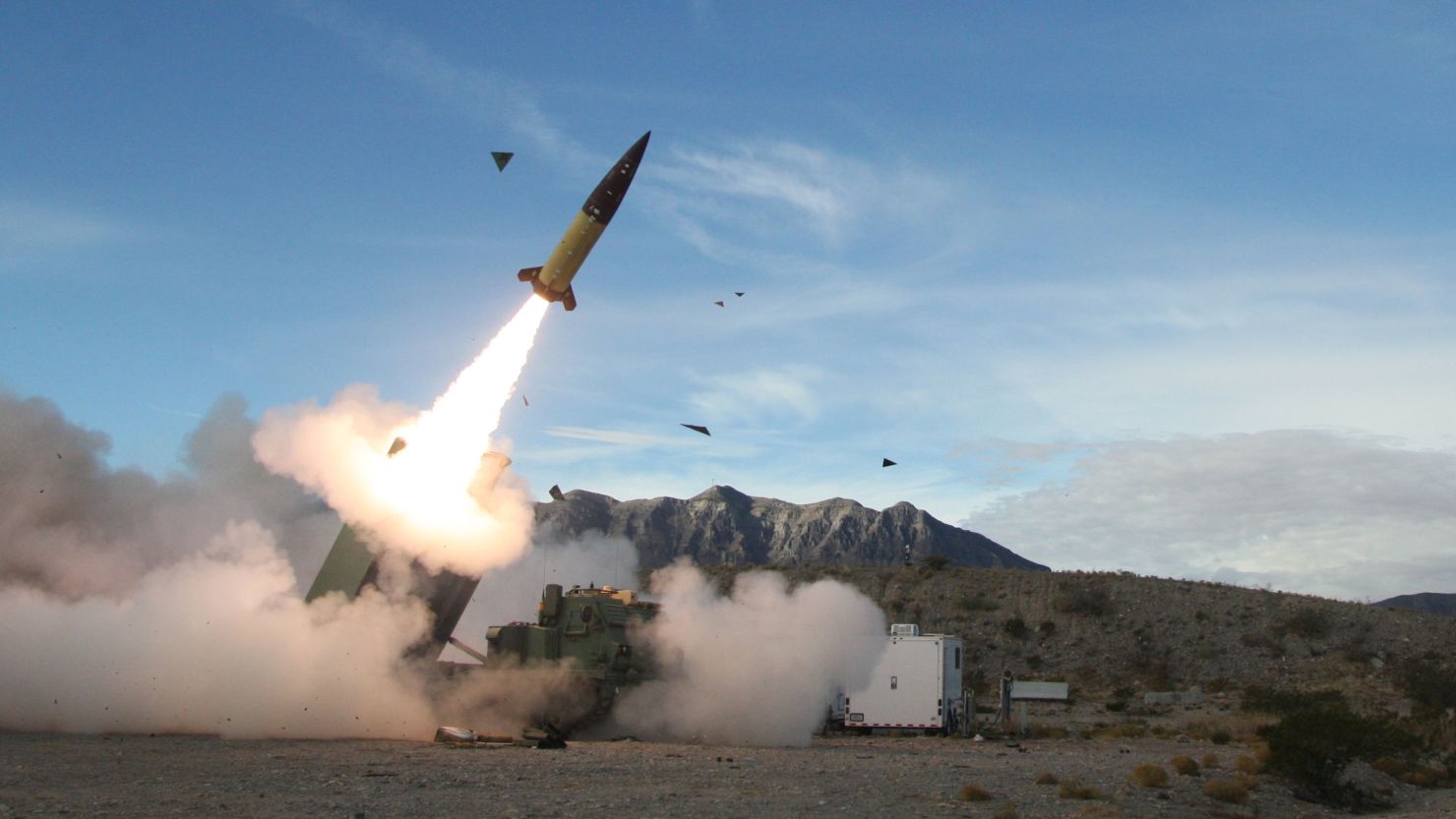
On May 25th, Russia executed its most extensive drone assault on Ukraine to date, deploying 355 Shahed drones alongside nine cruise missiles. This aggressive action underscores the intensifying nature of the conflict and Russia’s continued disregard for diplomatic ceasefires.
Ukrainian President Volodymyr Zelenskyy condemned the attack, urging for stronger international sanctions, including freezing Russian assets and halting its oil trade. In response to the escalating aggression, Germany, the UK, France, and the U.S. lifted restrictions on the range of weapons supplied to Ukraine, enabling Kyiv to target military installations within Russia. The Kremlin criticized this move, labelling it a dangerous escalation.
U.S. President Donald Trump reacted strongly, accusing Russian President Vladimir Putin of being “absolutely CRAZY” and warning that a full conquest aspiration would lead to Russia’s downfall. French President Emmanuel Macron expressed hope that Trump’s criticism would translate into concrete actions.
Amid these developments, the European Union rejected Russia’s request for consultations over carbon border taxes, citing its aggression in Ukraine as a primary concern. Additionally, reports have surfaced suggesting China’s potential military support to Russia, though Beijing denies these claims1

Mali Sees Surge in Pro-Democracy Protests Against Military Junta
Since May 3rd, Mali has witnessed a significant rise in pro-democracy protests, marking the first large-scale public dissent against the military junta led by Assimi Goïta since its inception in 2020. The demonstrations were sparked by the government’s moves to dissolve political parties and extend the presidential term to 2030.
On May 7, the junta suspended all political activities, followed by the complete dissolution of political parties on May 13. These actions have been widely condemned by international human rights organizations, including Amnesty International, which view them as a regression to authoritarian rule.
Protesters, comprising civil society groups and opposition coalitions, have employed methods of civil disobedience to demand democratic reforms and regime change. Despite the government’s rigid enforcement measures and reported human rights violations, the protest movement continues to gain momentum.
The situation is further complicated by the country’s worsening security landscape, with increased attacks by jihadist militant groups, particularly in northern regions. Observers warn that the combination of political repression and security challenges could lead to broader instability if not addressed promptly.2

U.S. Citizen Arrested for Attempted Firebombing of U.S. Embassy Office in Tel Aviv
On May 25th, Joseph Neumayer, a 28-year-old dual U.S.-German citizen, was arrested for attempting to firebomb a U.S. Embassy branch office in Tel Aviv, Israel. Prior to the attack, Neumayer had posted threats on social media expressing intentions to “burn down the embassy” and made statements like “Death to America.”
Following his arrest in Israel, Neumayer was deported to the United States and taken into custody by FBI agents upon arrival at John F. Kennedy International Airport in New York. Attorney General Pamela Bondi stated that Neumayer is charged with planning a devastating attack targeting the U.S. embassy, threatening American lives, and expressing intent to harm President Trump. She emphasized that he would be prosecuted to the fullest extent of the law.
This incident highlights ongoing concerns about threats to U.S. diplomatic missions abroad and the challenges of monitoring individuals who pose security risks. The Department of Justice has reiterated its commitment to safeguarding American personnel and facilities worldwide.3
Footnotes
- Novikov, I. and Yurchuk, V. (2025). Ukraine Says Russia Launched Its Biggest Drone Attack yet, Part of an Escalating Campaign. [online] AP News. Available at: https://apnews.com/article/russia-ukraine-war-drones-missiles-b34e72f0856b0f19219076463cce0414 [Accessed 26 May 2025]. ↩︎
- Mudge, L. (2025). Mali’s Junta Further Shutters Political Space. [online] Human Rights Watch. Available at: https://www.hrw.org/news/2025/05/14/malis-junta-further-shutters-political-space [Accessed 26 May 2025]. ↩︎
- Olivares, J. (2025). Man Arrested for Allegedly Trying to Firebomb US Embassy Office in Israel. [online] The Guardian. Available at: https://www.theguardian.com/us-news/2025/may/25/man-arrested-firebomb-israel-embassy [Accessed 26 May 2025]. ↩︎

Subscribe
Subscribe to get our the latest stories in your inbox.
 Reigniting Politics
Leave a comment