w/b 5th of May 2025
This week, global politics are shifting fast. India and Pakistan have agreed to a rare and unexpected ceasefire, pausing decades of conflict, though deep tensions remain. In Germany, CDU leader Friedrich Merz has been sworn in as chancellor, signalling a rightward turn with the promise of economic discipline and stronger borders. Meanwhile, the Vatican has elected American Cardinal Leo Thomas as the new Pope, marking a historic moment as the first U.S. pontiff.
Elsewhere, Donald Trump has sparked international backlash by granting refugee status to white South African farmers, citing “reverse racism.” In a major development, the Kurdish militant group PKK has announced its disbandment, ending over 40 years of armed struggle. And in Argentina, officials have uncovered crates of Nazi documents hidden in a court basement, reigniting scrutiny over the country’s post-war history.
India and Pakistan Agree to Ceasefire Amid Fresh Border Tensions and Political Strife
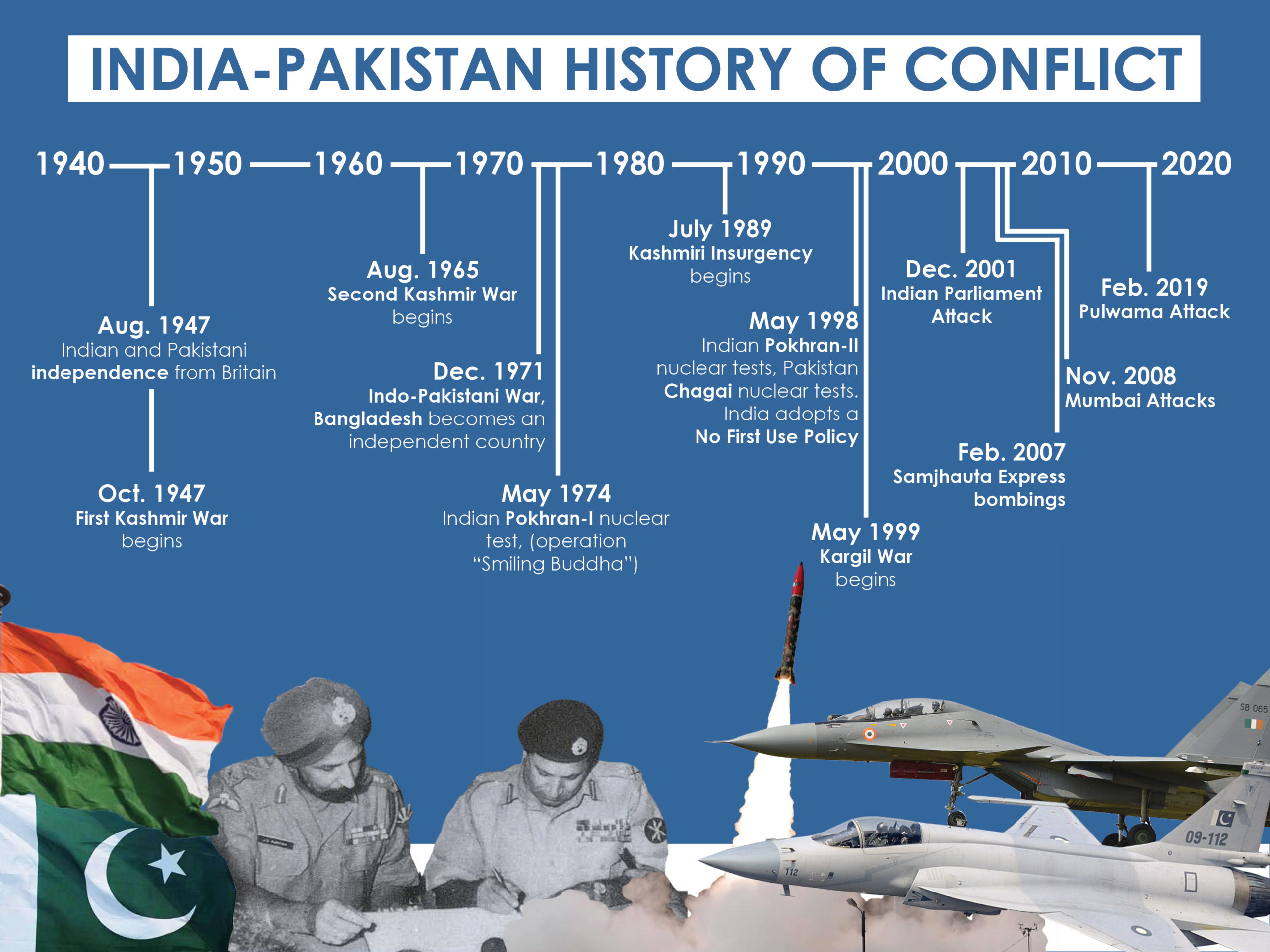
This week tensions between India and Pakistan erupted into one of the most serious military escalations the region has seen in recent years. The immediate trigger was a brutal terrorist attack in the town of Pahalgam in Indian-administered Kashmir, where 26 civilians were killed by unidentified gunmen. India quickly pointed the finger at Pakistan-based militant groups and launched a series of air and drone strikes across the Line of Control, targeting what it claimed were terrorist training camps. The Pakistani government, as usual, denied involvement and accused India of using the attack as a pretext for aggression.
Read my previous summary of this conflict here

What followed was several days of tit-for-tat violence. Artillery fire lit up the border, drones buzzed overhead, and at least two Indian Air Force jets were downed in retaliatory Pakistani strikes. Both sides claimed to have inflicted “heavy losses” on the other, though details were sketchy and largely unverifiable.
Civilian casualties mounted, at least 66 deaths were reported by local authorities and humanitarian organisations. Cities like Srinagar, Jammu, and Muzaffarabad were on edge, with residents hunkering down under curfews and blackout orders.
It was a terrifying moment for two countries that have fought three wars since independence, and which both possess nuclear weapons. There was a palpable fear that the violence could spiral beyond control, especially with political pressures running high in both capitals.
In India, a general election is looming later this year, and Prime Minister Narendra Modi’s government was keen to project strength. In Pakistan, the military establishment still exerts major control over foreign policy and often sees confrontation with India as a means of consolidating internal support.
Then, unexpectedly, came the ceasefire. On 10 May, U.S. President Donald Trump announced that both countries had agreed to an “immediate and comprehensive” halt to hostilities. The deal was reportedly hammered out through urgent backchannel diplomacy involving U.S. Secretary of State Marco Rubio and Vice President JD Vance. Indian officials, however, publicly downplayed Washington’s role and insisted that the agreement had come about through direct military-to-military communication with Pakistan. Either way, the guns fell silent, for the most part.1
The ceasefire has held, albeit shakily. There were some reported violations within the first 24 hours, including explosions near Srinagar and sporadic shelling in Baramulla. Both sides have accused the other of provocation, and Pakistani officials have urged continued dialogue to prevent a relapse. Military representatives from both countries are reportedly planning follow-up meetings to manage the ceasefire’s implementation. For now, the situation has stabilised, but the mood remains tense.2
This latest flare-up is a reminder that the Kashmir dispute, despite occasional diplomatic efforts, remains a powder keg. The ceasefire is welcome, but it is a bandage over a much deeper wound. Without serious political engagement, demilitarisation efforts, and a rethinking of how both states approach the Kashmir issue, this cycle of violence is likely to repeat itself. The international community, particularly the United States and China, may need to play a more active role in mediating not just ceasefires, but actual solutions.
As things stand, both India and Pakistan are claiming victory, both are licking their wounds, and both are walking a tightrope between peace and provocation. The ceasefire has bought time, but whether that time will be used wisely remains to be seen.
My Opinion on this
I’m so unbelievably tired of war. Tired of governments treating it like a game of Risk. Tired of nationalist chest-puffing turning people’s homes into battlegrounds. And tired of pretending that violence on this scale is ever anything but a monumental failure of governance.
India and Pakistan are two countries bound by a history they never got to choose. They were hacked apart by colonial Britain’s careless, bloodthirsty partition, and ever since, they’ve been condemned to a cycle of mistrust and bloodshed that the West created—and then left behind. Let’s be clear: the original sin here wasn’t ancient enmity, it was empire. And yet somehow, we’re still acting like this is about just Kashmir, just terror groups, just ‘sovereignty.’ No. This is about decades of political cowardice dressed up as nationalism, and a global order that only knows how to profit from instability.
And every time tensions erupt, it’s men leading the charge. Men in suits, in uniforms, at podiums. It’s their egos that get bruised and their bombs that get dropped. And while they’re busy scoring points off each other, it’s always civilians who bleed—families, children, ordinary people just trying to live. We’re expected to accept this like it’s natural, inevitable. It’s not. It’s orchestrated. War is not some freak weather event. It’s a policy choice made by people too small-minded or too self-serving to choose peace.
And then there’s Trump—because of course there is. A man who’s made a career out of inflaming tensions, legitimising dictators, and turning foreign policy into theatre. He was back on the scene like some overfed vulture, bragging about brokering a ceasefire while his own foreign policy record is one long, shameful trail of diplomatic arson. You cannot throw matches at a house and then claim credit for calling the fire brigade. Trump doesn’t solve conflicts; he markets them.
The ceasefire, if we’re being honest, is just the world catching its breath. Nothing has changed. The deeper wounds—of militarised borders, political opportunism, and violent masculinity—are untouched. No one’s talking about demilitarisation, about the rights of Kashmiris, about how women, children, and marginalised communities bear the brunt of these nationalist games. The silence is deafening.
Every time one of these wars flares up, we get the same script: “Both sides must de-escalate.” But we never interrogate the fact that escalation is built into the system. Built into how borders were drawn, how governments are run, and how men cling to power through militarism.
We deserve better than this. The people of India and Pakistan deserve better than this. And it starts with rejecting the idea that war is strength. It’s not. It’s a crutch for the weak and a theatre for the vain. The world needs leaders who know how to build, not bomb. Until then, we’re just playing out the same old colonial script—louder, bloodier, and just as pointless.
Merz Takes the Helm in Germany After Historic Vote Fumble

Germany has a new chancellor, and it wasn’t exactly smooth sailing getting him there. Friedrich Merz, long-time leader of the centre-right Christian Democratic Union (CDU), officially took office last week after a bumpy and historically unprecedented confirmation process in the Bundestag. While his coalition held a clear majority, Merz failed to secure enough support in the first vote – a political embarrassment for someone supposedly coming in as the “stability candidate.”
Let’s unpack that.
The CDU, allied with the Christian Social Union (CSU) and the centre-left Social Democratic Party (SPD), formed a government with 328 seats – comfortably above the 316 needed. But in a secret ballot, Merz only secured 310 votes in the first round. Cue panic. Not only was this the first time since WWII that a German chancellor candidate flunked their opening vote with a majority in hand, but the result also raised questions about dissent within the coalition. Fingers were quietly pointed at disgruntled SPD MPs, unhappy with Merz’s brand of conservatism and reportedly irritated by how the coalition deal was struck.
Still, a few hours and some frantic negotiating later, Merz won the second vote with 325 votes. Not exactly a resounding victory, but enough to get the job done. President Frank-Walter Steinmeier swiftly swore him in, and Merz began unveiling his new government, including the launch of a fresh Ministry for Digital and State Modernisation, a nod to the pressing need to drag German bureaucracy into the 21st century.
The German chancellor is the most powerful political figure in the country – essentially equivalent to a prime minister in other parliamentary systems. As head of government, the chancellor sets the overall direction of domestic and foreign policy, leads the cabinet, and commands significant influence over the Bundestag (Germany’s federal parliament). While the federal president is technically the head of state, the role is largely ceremonial, real political power lies with the chancellor.
They are elected by the Bundestag following federal elections or a government reshuffle and are responsible for appointing ministers, driving legislation, and representing Germany on the global stage. In practice, the chancellor’s authority is shaped not just by law, but by coalition politics, public support, and their party’s standing in parliament – making it a role that requires both leadership and constant negotiation.
Merz is stepping into office at a tricky time. Germany’s economy has been sluggish, inflation stubborn, and public confidence wobbly. The far-right Alternative für Deutschland (AfD) continues to grow in popularity, especially in the east, and is now classified as a right-wing extremist group by domestic intelligence. Immigration, especially “illegal” routes, is high on the agenda, and Merz has taken a firm line, promising stricter controls and repatriation measures.
Then there’s foreign policy. With Ukraine still under siege and Europe grappling with defence questions, Merz is expected to push Germany into a more assertive role. He’s already made symbolic trips to France and Poland, sending the message that Berlin is ready to lead, at least on the continent.
But perhaps the most contentious part of Merz’s agenda is economic. While Germany has long been the EU’s cheerleader for fiscal conservatism, the new chancellor wants to loosen the rules to push through a €1 trillion investment package – part rearmament, part economic revitalisation. That’s raised eyebrows in Brussels and triggered concern about long-term debt and European stability. Whether Merz can convince both German taxpayers and EU allies remains to be seen.
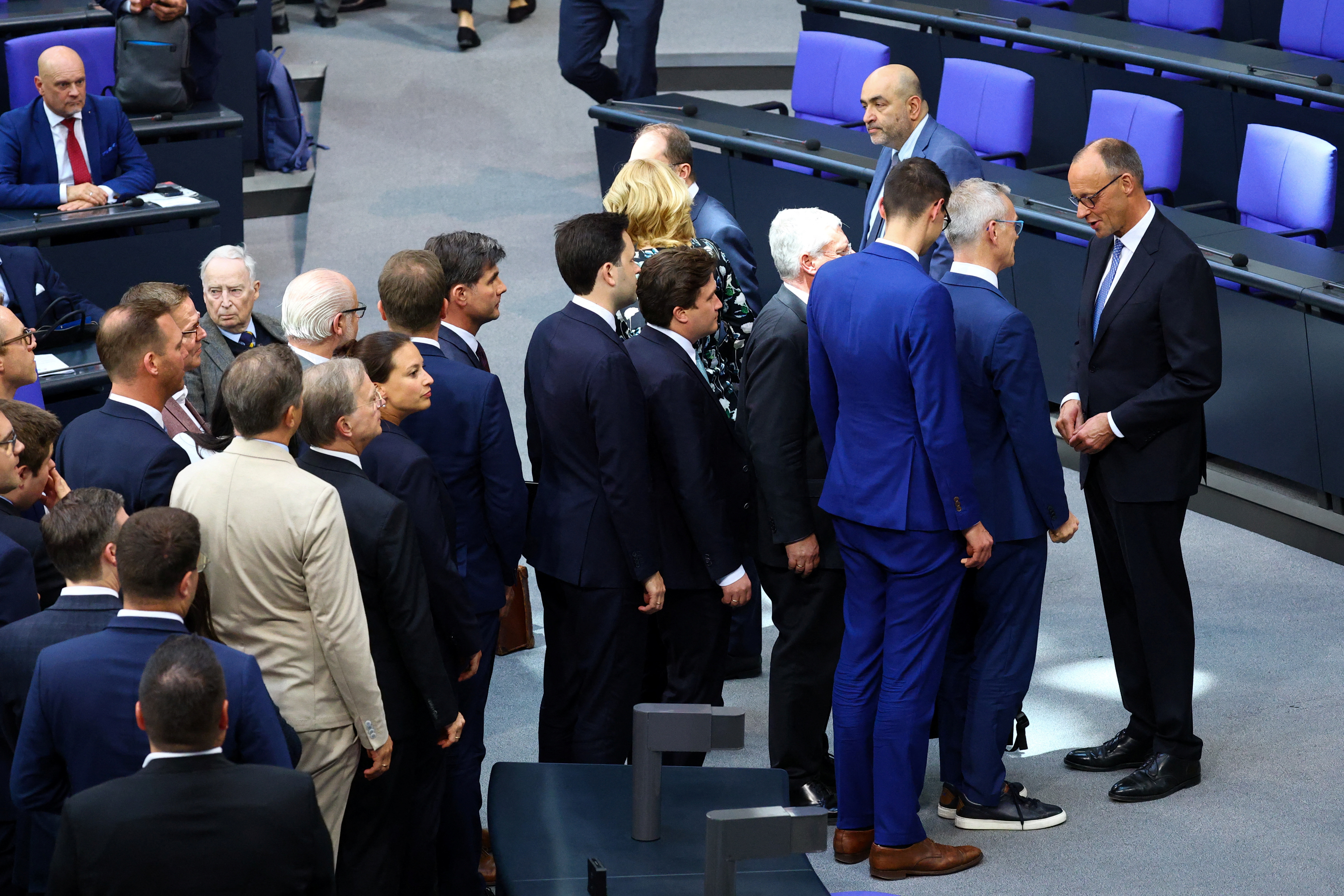
In short, Merz comes in as both a continuity figure and a wildcard. He’s pro-business, pro-Western, and a known face in German politics. But his rocky start and the coalition’s internal friction suggest this term might be more turbulent than he’d hoped. Germany wanted stability, what it’s got is a government that might have to fight for unity every step of the way.3
Pope Leo XIV Elected in Swift Conclave
On May 8th, the Vatican announced the election of Pope Leo XIV, formerly Cardinal Robert Francis Prevost. The swift conclave—lasting only four ballots—revealed a clear consensus among cardinals for continuity rather than upheaval. Born in Chicago and shaped by decades of missionary work in Peru, Leo XIV is a symbolic and strategic choice: the first American pope, the first from the Augustinian order, and a bridge between the Global North and South. His dual nationality reflects the increasing internationalism of a Church long accused of Eurocentrism.
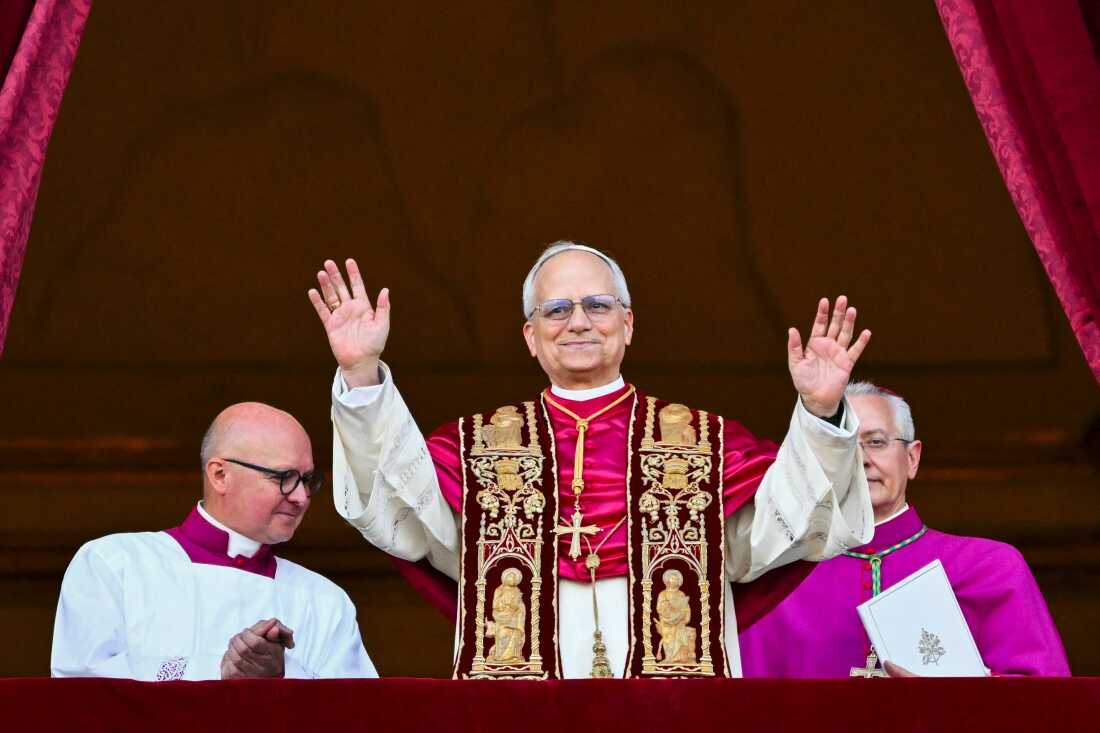

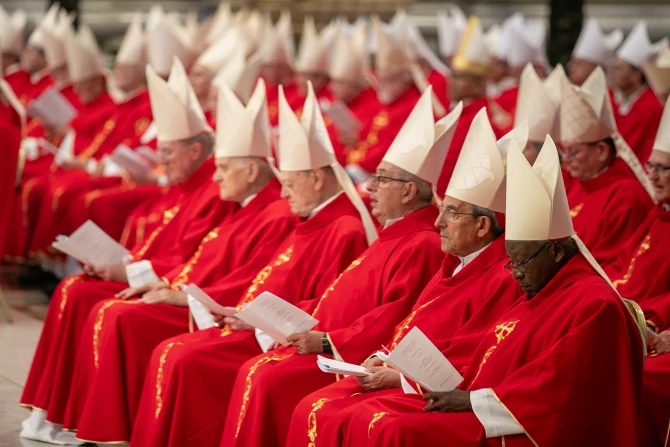
Pope Leo XIV’s values reflect a blend of pastoral outreach, justice-driven action, and a deep theological grounding in community care. He has already demonstrated this with a powerful inaugural address calling for peace in Gaza and Ukraine, praising the India-Pakistan ceasefire, and standing up for imprisoned journalists and press freedom. The speed and clarity of his election also suggest that the cardinals were seeking someone who could balance moral clarity with diplomatic nuance.
Crucially, Leo XIV inherits a Church still recovering from internal divisions over Francis’s progressive agenda, including greater LGBTQ+ inclusion and environmental advocacy. So far, Leo seems to be signalling cautious continuity—echoing Francis’s compassionate tone but placing a more explicit emphasis on global peace, poverty, and inequality. He also reportedly plans to prioritise the ethical concerns of modern life, including the rise of artificial intelligence and its impact on human dignity.
This emphasis on structural justice rather than dogmatic scolding could mean a shift in tone for the Vatican. While Pope Francis was often a lightning rod for reactionary backlash, Leo XIV’s background in Latin America may enable him to better navigate cultural divides, particularly as the Catholic Church continues to grow fastest in the Global South.
Importantly, his election also reinforces the Church’s ongoing attempt to rehabilitate its image in the wake of repeated abuse scandals. Prevost was known during his time in Peru for implementing more transparent, community-led approaches to priestly oversight. Though he inherits a deeply fractured institution, his reputation for quiet discipline and pastoral humility suggests a pope more interested in rebuilding trust than consolidating power.
The choice of the name “Leo”—echoing the assertive and reform-minded Pope Leo XIII—may indicate his desire to be a pope of action rather than ceremony. That’s especially relevant as populism, war, and climate change continue to shake global stability. A spiritual leader who speaks plainly and acts decisively might be exactly what the Church—and the world—needs right now.

In short, Pope Leo XIV is a symbol of cautious optimism. American but Peruvian in spirit, conservative in theology but progressive in tone, and quietly forceful rather than bombastic, he may represent a new kind of global Catholicism: one that still centres Rome, but listens more carefully to the voices on its margins. Only time will tell whether he becomes a transitional pope or a transformative one—but in an age of cynicism and crisis, even hope is a radical act.4
Other Global News this Week
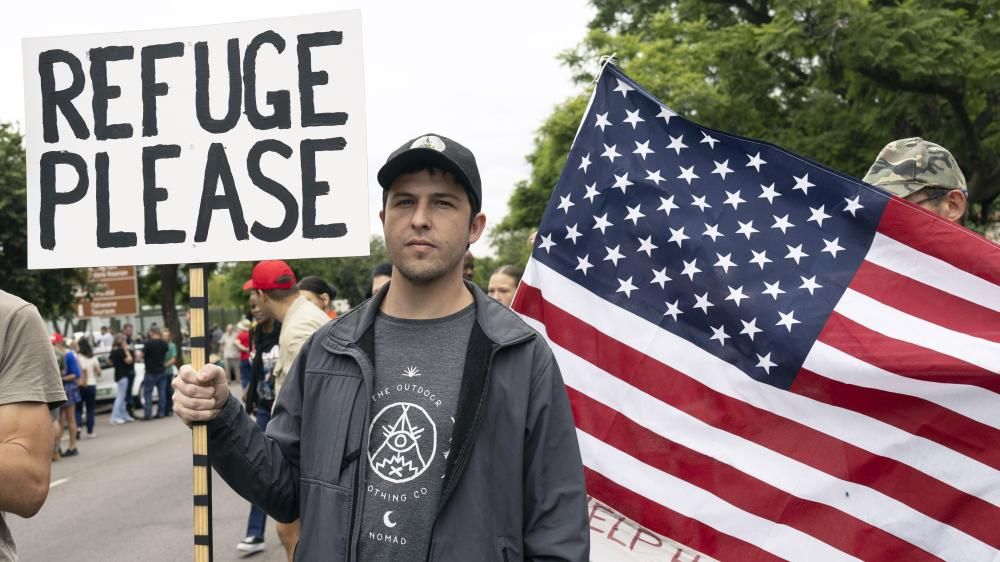
Trump Welcomes White South Africans as Refugees in Controversial Move
On May 11, the first group of 49 white South Africans, primarily Afrikaners, departed for the United States under a new refugee resettlement program initiated by President Donald Trump. The policy, established via executive order in February, accuses South Africa’s Black-led government of racial discrimination against Afrikaners and prioritizes their asylum claims ahead of other global refugee populations. These individuals are the first cohort to benefit from this initiative.
The Trump administration justifies the program by citing affirmative action and land expropriation laws in South Africa as discriminatory against white citizens. However, the South African government refutes these claims, asserting no systemic racism against Afrikaners and maintaining that Afrikaners are among the country’s most privileged demographics.
Critics, including refugee advocacy groups, question the prioritization of white South Africans over refugees fleeing conflict zones. The initiative is part of the Trump administration’s broader critique of South Africa’s domestic and foreign policies, including its relations with Iran and legal action against Israel.
Despite international and domestic criticism, the White House plans to expand this resettlement program in the coming months. The move has sparked controversy in both the U.S. and South Africa, with concerns about racial bias in accepting white refugees while rejecting non-white applicants.
As the first group of white South Africans resettles in the U.S., the program continues to draw scrutiny and debate over its implications for refugee policy and international relations5
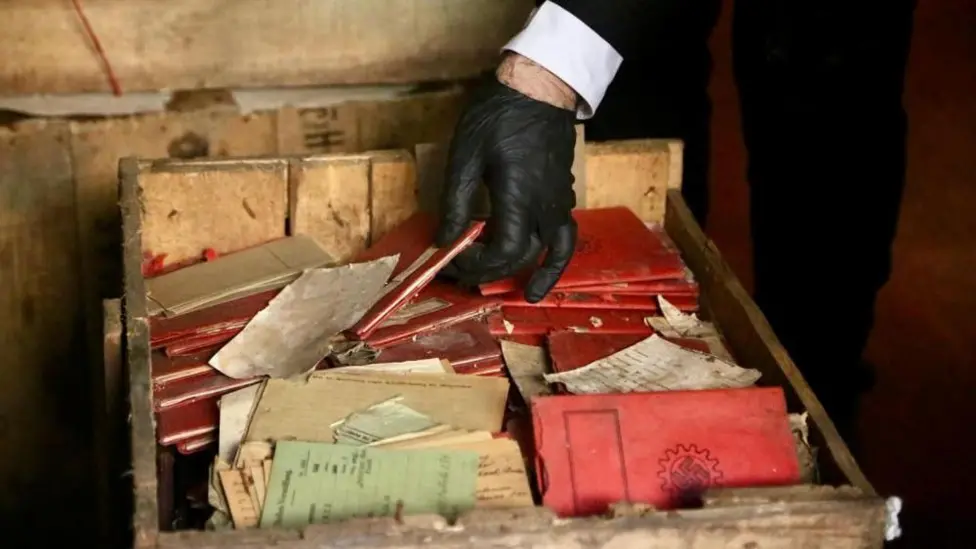
Crates of Nazi Propaganda Discovered in Argentine Court Basement
This week, Argentina’s Supreme Court has unearthed 83 boxes of Nazi-era documents hidden within its archives, shedding new light on the country’s historical ties to the Third Reich. The crates, dating back to 1941, contain Nazi party membership booklets and propaganda materials aimed at spreading Adolf Hitler’s ideology in Argentina during World War II.
The materials were initially shipped from the German embassy in Tokyo aboard the Japanese steamship “Nan-a-Maru” in June 1941. At the time, the German diplomatic mission in Argentina claimed the boxes contained personal belongings, but Argentine customs officials retained them, suspecting their true contents.
The rediscovery occurred as court staff prepared for a new museum showcasing historical judicial documents. Among the items found were postcards, photographs, and thousands of Nazi party notebooks. The Supreme Court has now secured the boxes and enlisted the Holocaust Museum in Buenos Aires to assist in preservation and documentation.
This revelation comes as Argentina pledges to declassify all government documents related to Nazis who fled to the country after the war via so-called “ratlines.” These clandestine escape routes allowed notorious figures like Adolf Eichmann and Josef Mengele to evade justice and settle in South America.
The discovery of these documents offers a rare glimpse into the efforts to propagate Nazi ideology abroad and may provide valuable insights into the networks that facilitated the escape of war criminals to Argentina. As experts begin to examine the contents, the findings could significantly enhance our understanding of this dark chapter in history.6
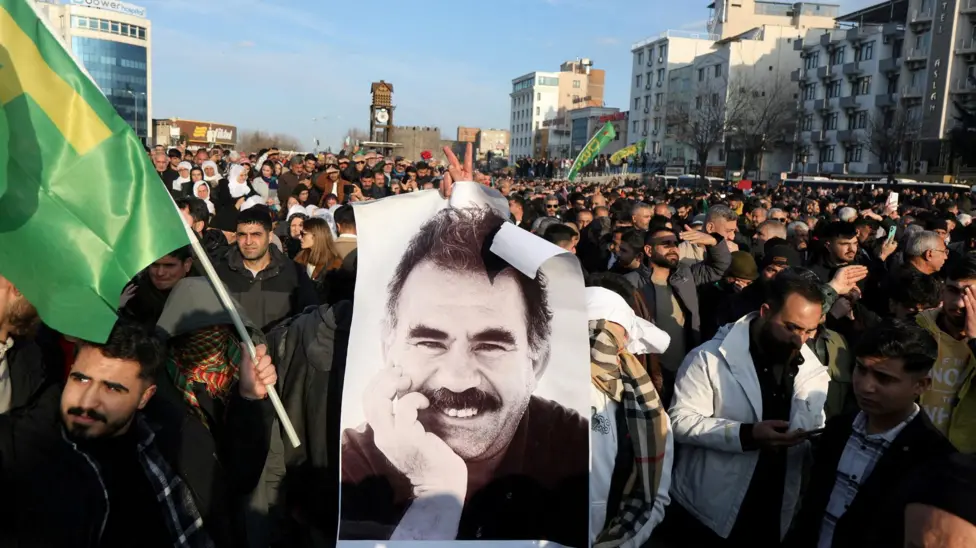
PKK Announces Disbandment and End to Armed Struggle After 40 Years
In a historic development, the Kurdistan Workers’ Party (PKK) has announced its decision to disband and end its armed struggle against the Turkish state, concluding a conflict that has spanned over four decades and claimed more than 40,000 lives.
The announcement follows a call in February by the group’s imprisoned leader, Abdullah Öcalan, who urged the PKK to lay down its arms and pursue democratic means to address Kurdish issues. Öcalan, who has been in solitary confinement since 1999, emphasized that “there is no alternative to democracy in the pursuit and realization of a political system.”
The PKK, founded in 1978 with the initial aim of establishing an independent Kurdish state, has shifted its focus over the years toward seeking greater autonomy and cultural rights within Turkey. The group’s decision to disband was formalized during its 12th Congress, held in northern Iraq, where delegates agreed to cease all armed activities and dissolve the organization’s military structure.
Turkish authorities have welcomed the move, viewing it as a significant step toward a “terror-free Turkey.” However, the process of disarmament and the integration of former PKK members into civilian life remain complex challenges. Analysts suggest that the success of this peace initiative will depend on Turkey’s willingness to implement political reforms that address longstanding Kurdish grievances.
The disbandment of the PKK marks a potential turning point in Turkey’s internal dynamics and its relations with Kurdish populations across the region. While the path to lasting peace is fraught with uncertainties, this development offers a glimmer of hope for a more inclusive and democratic future.7
Footnotes
- McGrath, C. (2025). India Vs Pakistan: Trump Wades in with Major Update and Says ‘full Ceasefire agreed’. [online] Express.co.uk. Available at: https://www.express.co.uk/news/world/2053221/india-pakistan-live-ww3-kashmir-missile-strikes [Accessed 12 May 2025]. ↩︎
- Biswas, S. (2025). India Strikes – How Will Pakistan respond? Four Key Questions. BBC. [online] 7 May. Available at: https://www.bbc.com/news/articles/cd020710v1ko [Accessed 12 May 2025]. ↩︎
- Kirby, P. (2025). Germany’s Merz Becomes Chancellor after Surviving Historic Vote Failure. BBC News. [online] 6 May. Available at: https://www.bbc.co.uk/news/articles/cvgp22zlrgko [Accessed 12 May 2025]. ↩︎
- Edwards, C., Kent, L., Kemp, O., Stockwell, B., Chowdhury, M., Hammond, E. and Radford, A. (2025). Leo XIV Elected as First American Pope. [online] CNN. Available at: https://edition.cnn.com/world/live-news/new-pope-conclave-day-two-05-08-25 [Accessed 12 May 2025]. ↩︎
- Macaulay, C. (2025). Refugee Status for White South Africans: First Group Flying to US. BBC News. [online] 12 May. Available at: https://www.bbc.co.uk/news/articles/crljn5046epo [Accessed 12 May 2025]. ↩︎
- Buschschlüter, V. (2025). Crates Full of Nazi Documents Found in Argentine court’s Basement. BBC News. [online] 12 May. Available at: https://www.bbc.co.uk/news/articles/c1w3jlqlp27o [Accessed 12 May 2025]. ↩︎
- Guerin, O. and Pomeroy, G. (2025). Kurdish Group PKK Says It Is Laying down Arms and Disbanding. BBC News. [online] 12 May. Available at: https://www.bbc.co.uk/news/articles/czel3ry9x1do [Accessed 12 May 2025]. ↩︎
Subscribe
Subscribe to get our the latest stories in your inbox.
 Reigniting Politics
Leave a comment