w/b 28th of April 2025
This week has been one of electoral earthquakes and political reckoning. In Canada, Mark Carney has pulled off an extraordinary comeback for the Liberals, stepping into power just weeks after Trudeau’s exit and sending Pierre Poilievre’s Conservatives back to the opposition benches. Meanwhile, the UK’s local elections have turned into a bloodbath for both major parties, with Reform UK muscling into the spotlight and exposing deep cracks in the two-party system. Across the globe, another win for left-wing politics with Australia’s Labor Party’s historic landslide victory.
Tensions aren’t just electoral. Mexico has pushed back hard against Donald Trump’s renewed militaristic posturing, reigniting debates over sovereignty and foreign interference. In Europe, Romania is locked in a fierce ideological tug-of-war, with nationalists and pro-EU forces battling for dominance in an election that could tip the continent’s balance. Meanwhile, Poland has officially scrapped the last of its notorious LGBT-free zones, marking a symbolic but significant shift away from the hard-right policies of recent years. From democratic renewal to nationalist backlash, the world’s political fault lines are shifting fast—and nothing feels certain anymore.
Canada’s 2025 Election
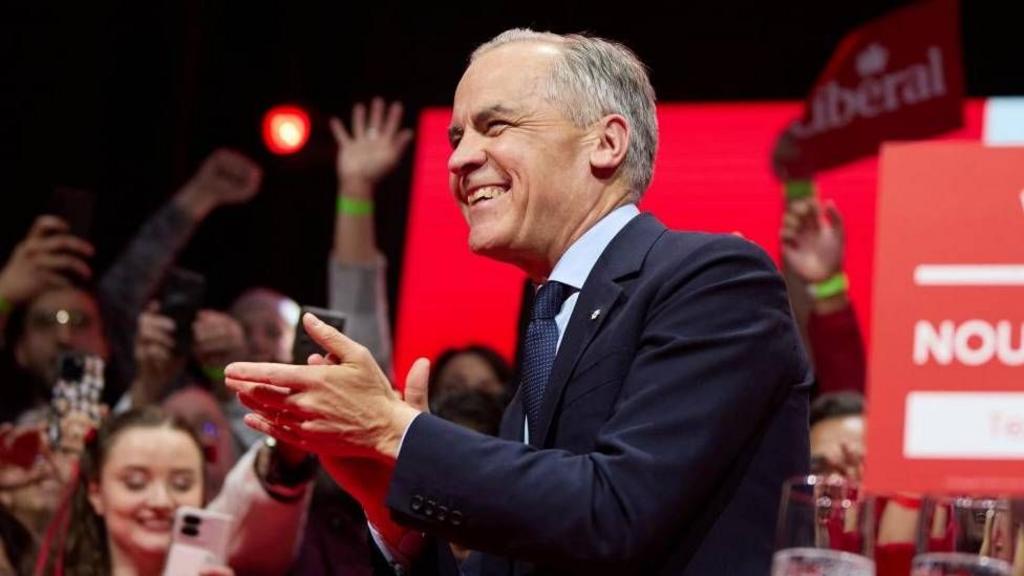
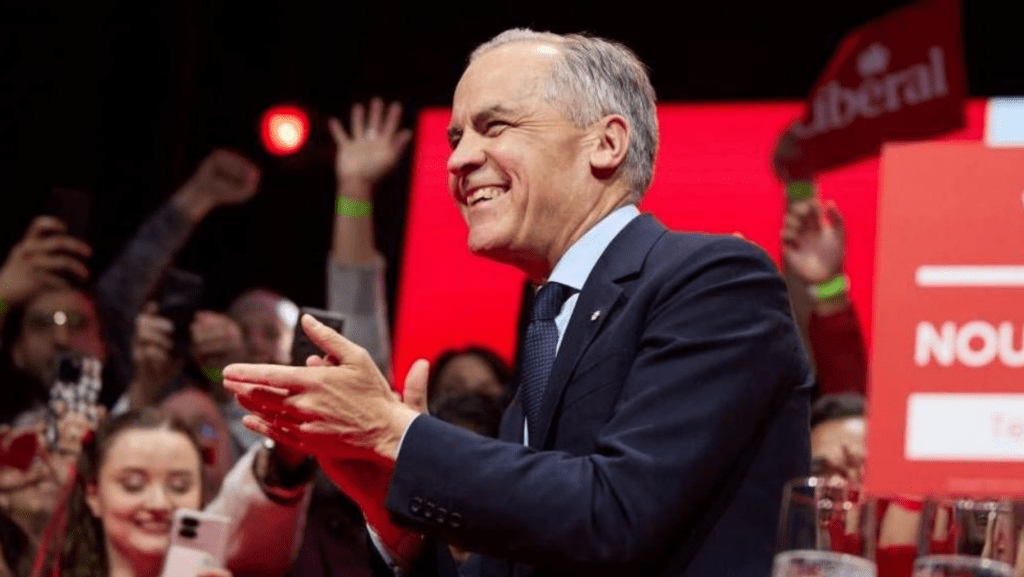
Canada’s federal election on April 28, 2025, delivered a dramatic political turnaround. After trailing in polls for months, the Liberal Party, under new leader Mark Carney, secured a minority government with 169 seats—just three short of a majority. This marked the Liberals’ fourth consecutive term and their best performance since 1980, capturing 43.7% of the popular vote.
Carney, a former central banker, succeeded Justin Trudeau in March after internal party pressure and a series of political missteps led to Trudeau’s resignation. Carney’s leadership revitalized the Liberals, particularly in urban centres like Toronto, Ottawa, and Vancouver, and made significant inroads in Quebec, reclaiming seats from the Bloc Québécois.
The Conservative Party, led by Pierre Poilievre, also improved its standing, winning 143 seats and 41.3% of the vote—their highest share since 1988. However, they fell short of expectations, failing to capitalize on earlier leads in the polls. Notably, the Conservatives made gains in traditionally non-conservative areas, including parts of Ontario and British Columbia.
The New Democratic Party (NDP) suffered a significant setback, dropping from 24 to 7 seats. Leader Jagmeet Singh lost his own seat in Burnaby Central and subsequently resigned. Analysts attribute the NDP’s decline to strategic voting, with progressive voters consolidating behind the Liberals to prevent a Conservative victory.1
The Bloc Québécois and the Green Party also faced losses, with the Bloc reduced to 23 seats and the Greens holding onto just one. The People’s Party of Canada failed to secure any seats.
A notable factor influencing the election was U.S. President Donald Trump’s aggressive trade policies and controversial remarks about Canada, which galvanized Canadian voters and contributed to the Liberal resurgence. Carney’s firm stance against Trump’s suggestions, including a proposal to make Canada the 51st U.S. state, resonated with the electorate.
Carney’s calm, technocratic image provided a stark contrast to Poilievre’s populist rhetoric and Trudeau’s baggage. Many voters, especially in swing ridings, seemed to crave competence and pragmatism over ideological fervour. The NDP’s strategic irrelevance and failure to differentiate itself likely nudged progressive voters toward the Liberals.
The Liberals’ minority status ensures that negotiation and coalition-building will define the next parliamentary term. With the NDP weakened, Carney may need Bloc or independent support to pass legislation. The Conservatives, though improved, will need introspection to craft a broader appeal. This election could mark the beginning of the end for Canada’s traditional left-right duopoly.2

If Carney can manage a stable minority, it could cement a new technocratic-centrist era in Canadian politics. However, failing to maintain cohesion among progressives or deliver on expectations could open the door to Conservative resurgence or new political actors.
UK Local Elections 2025
The UK’s local elections in May 2025 signalled a significant shift in the political landscape, with both the Conservative and Labour parties suffering substantial losses. The Conservatives lost 68% of their defended seats, while Labour lost 65%, highlighting widespread voter dissatisfaction.
Reform UK emerged as a major beneficiary of this discontent, capturing 30% of the projected national vote share and making significant gains in various regions. The party’s success was exemplified by Andrea Jenkyns’ victory in the Greater Lincolnshire mayoral election, where she secured 42% of the vote.
A particularly notable upset occurred in the Runcorn and Helsby by-election, where Reform UK overturned a 14,696-vote Labour majority to win by just six votes—the closest by-election result in British history. This victory marked the first non-Labour MP elected in Runcorn in over fifty years and underscored the growing appeal of Reform UK’s platform among disaffected voters.
Labour’s challenges were compounded by internal criticisms of leader Keir Starmer’s centrist approach, which some argue lacks the transformative vision needed to inspire the electorate. The party’s stance on issues such as fiscal austerity and social benefits has alienated segments of its traditional base.
The Liberal Democrats and Green Party made modest but symbolically significant gains. The Lib Dems increased their presence in traditionally Conservative strongholds in the South West and parts of the commuter belt, while the Greens secured more council seats than ever before, particularly in urban areas with younger demographics. Both parties are increasingly benefiting from voters seeking credible, issue-focused alternatives to the two main parties, especially on climate, housing, and democratic reform.3
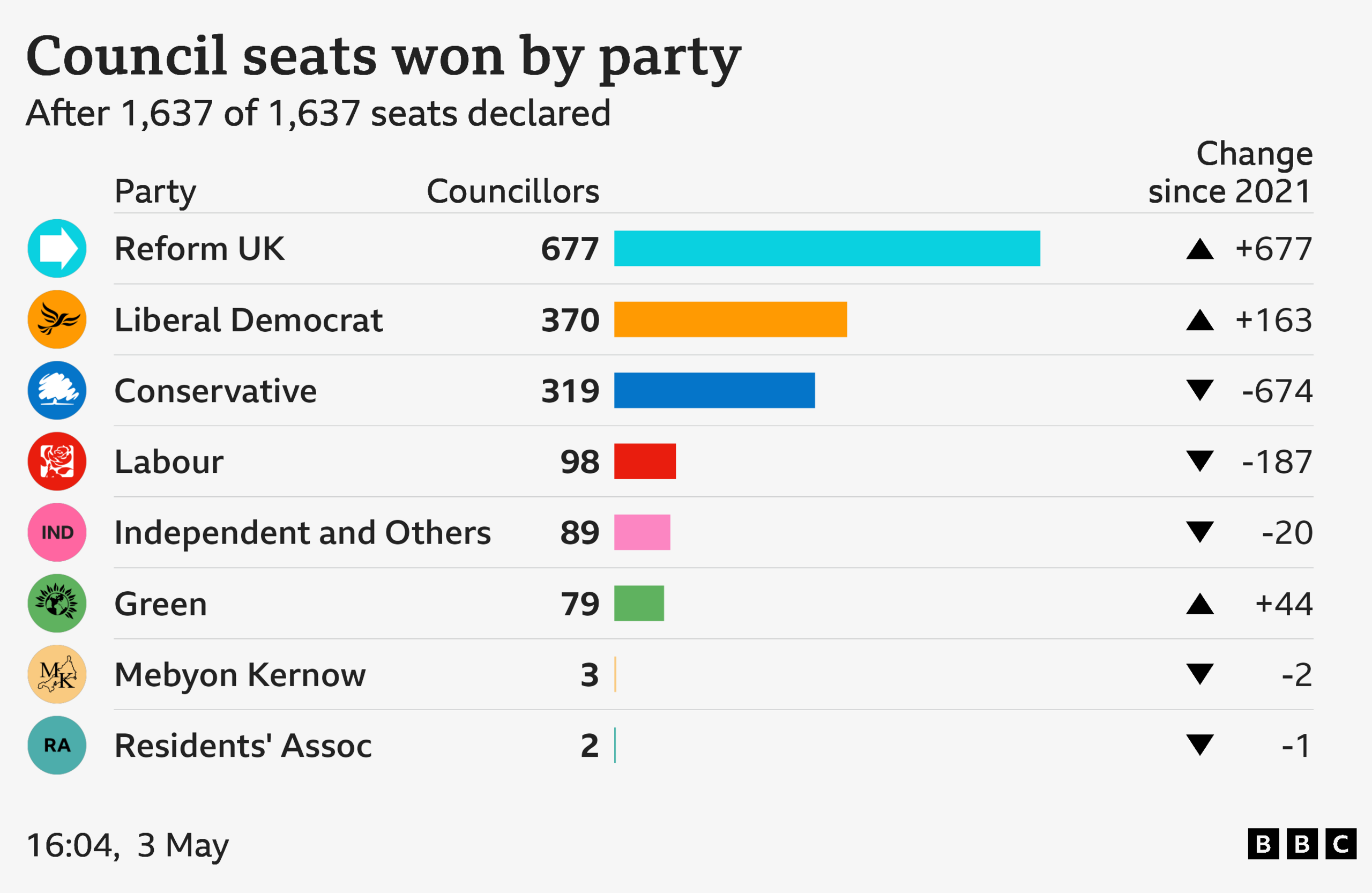

Many voters are increasingly disillusioned with the perceived sameness of Labour and the Conservatives, particularly on economic and immigration issues. Reform UK’s populist messaging, its focus on national identity, and its anti-establishment tone resonated in neglected post-industrial areas and blue-collar communities. Simultaneously, the Greens and Lib Dems attracted progressive and centrist voters disillusioned with Labour’s perceived caution and lack of ambition.
These election results suggest a fracturing of the UK’s traditional two-party system, with voters increasingly turning to alternative parties that promise bold changes. Reform UK’s rise indicates a desire for new approaches to longstanding issues, and if current trends continue, the party could play a significant role in shaping future national policies, especially if Labour continues to drift toward the centre.
This shift may push both Labour and the Conservatives to more clearly define their identities or risk further erosion. The continued rise of the Lib Dems and Greens signals that progressive politics in the UK is not dead—but it may be evolving. If these parties can maintain momentum and develop coherent national platforms, they could become serious contenders in future general elections.
Australia’s 2025 Federal Election
Australia’s federal election on May 3, 2025, resulted in a historic victory for the Australian Labor Party (ALP), led by Prime Minister Anthony Albanese. Labor secured 87 out of 150 seats in the House of Representatives, achieving its largest number of seats at the federal level since 1987. This landslide victory was particularly notable as it exceeded most opinion polls, which had predicted a tighter race or a hung parliament.
The opposition Liberal-National Coalition, led by Peter Dutton, suffered a significant defeat, winning only 40 seats. Dutton lost his own seat of Dickson to Labor’s Ali France, marking the first time an Opposition Leader has lost their seat in a federal election. The Coalition’s campaign was marred by internal disconnections and strategic missteps, with reports indicating that key staff withheld unfavorable polling data from Dutton to avoid undermining his confidence.
Labor’s campaign focused on addressing the cost of living crisis, promising to build 1.2 million new homes and increase defense spending. In contrast, the Coalition’s proposal to build seven nuclear power plants over 20 years failed to resonate with voters concerned about immediate economic issues.

The election also saw setbacks for the Greens and Teal independents. The Greens lost key seats in Brisbane and faced the potential loss of party leader Adam Bandt’s Melbourne seat. Teal independents, who had previously made significant gains, lost key Melbourne seats, including those held by Zoe Daniel and Monique Ryan.
The Australian Electoral Commission is conducting a “fresh scrutiny” to ensure the accuracy of the results, given the unexpected outcomes and significant shifts in voter preferences. As of May 6, the AEC has processed 14.1 million first-preference votes for the House, 11.8 million two-candidate-preferred votes, and 7.2 million first-preference Senate votes.
If Labor delivers tangible results on housing, inflation, and services, it could dominate Australian politics for the next decade. Failure to meet expectations, however, could give rise to a reinvigorated opposition or entirely new political formations.4
Other Global News this Week

Poland LGBT-Free Zones Demolished
In a significant shift for LGBTQ+ rights in Poland, the country’s last remaining “LGBT-free zone” was officially repealed last week. The town of Łańcut, located in southeastern Poland, voted to abolish its anti-LGBTQ+ resolution on April 24, 2025. This move marks the end of a controversial chapter that began in 2019 when over 100 municipalities and regions declared themselves unwelcoming to LGBTQ+ rights.
These declarations, though symbolic and legally unenforceable, had profound social implications. They were widely criticized for promoting discrimination and stigmatization of LGBTQ+ individuals. The European Union condemned these zones, and in some cases, withheld funding from regions that maintained such declarations.
The repeal in Łańcut follows a series of similar actions across the country, driven by both internal advocacy and external pressure. Human rights organizations and LGBTQ+ activists have welcomed the decision, viewing it as a step toward greater inclusivity and respect for human rights in Poland.
However, challenges remain. While the formal declarations have been rescinded, the underlying social attitudes and political rhetoric that supported them persist in some areas. Advocates emphasize the need for continued education and policy reforms to ensure lasting change.
The dismantling of the last “LGBT-free zone” is a milestone in Poland’s journey toward equality. It reflects the resilience of the LGBTQ+ community and the impact of sustained advocacy. As the country moves forward, the focus shifts to fostering a more inclusive society where diversity is not just tolerated but celebrated.5
Mexico’s Military Debate
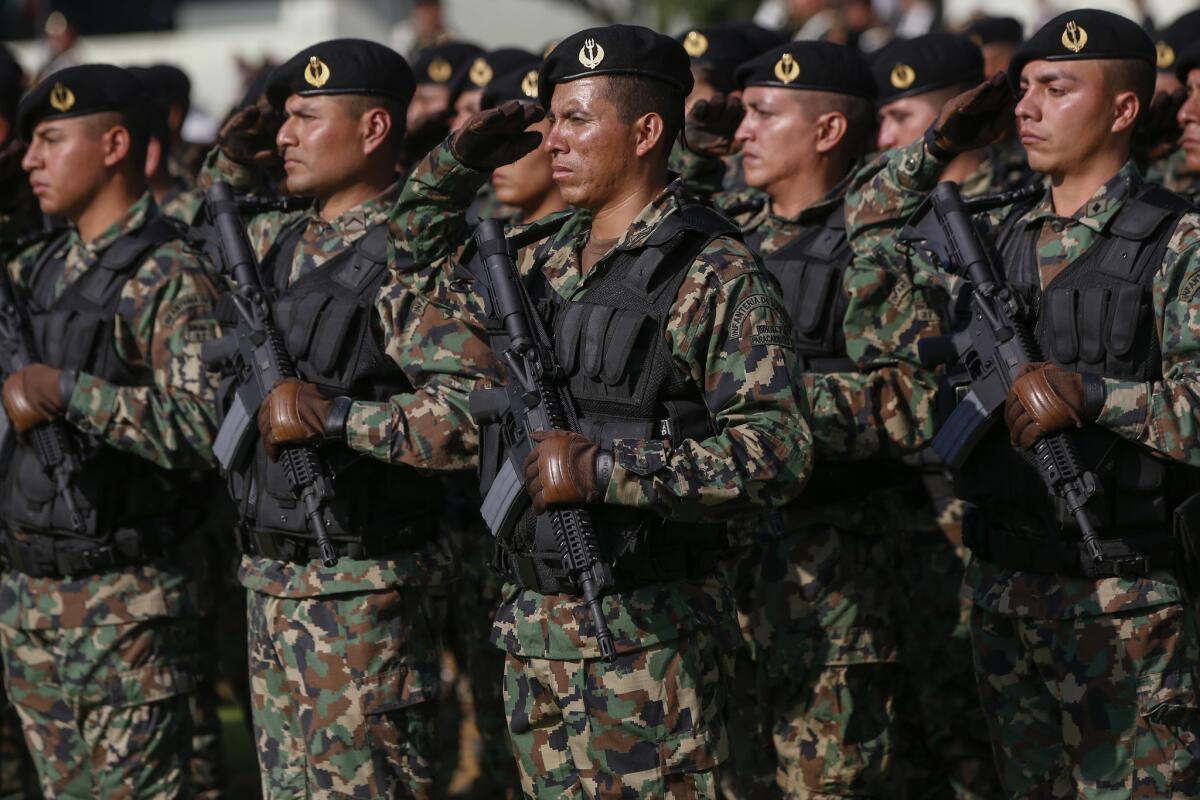
In a recent development, Mexican President Claudia Sheinbaum firmly rejected a proposal from former U.S. President Donald Trump to deploy American troops into Mexico to combat drug cartels. During a phone call in April, Trump suggested military intervention, citing the violent nature of the cartels and their role in drug trafficking. Sheinbaum responded by affirming Mexico’s sovereignty, stating it is “loved and defended,” and proposed mutual cooperation while maintaining separate jurisdictions.
Trump, while calling Sheinbaum a “lovely woman,” claimed she was too fearful of the cartels. This diplomatic exchange highlights Sheinbaum’s firm stance on national sovereignty and her ability to challenge Trump’s demands without escalating conflict.
The tension arises amid broader concerns about U.S. policies toward Mexico. Earlier, Trump had designated several Mexican cartels as terrorist organizations, a move that Sheinbaum warned could lead to unwarranted foreign intervention. She emphasized that while Mexico is open to collaboration, it will not tolerate violations of its sovereignty.
Sheinbaum’s administration has also addressed reports of U.S. drone flights over Mexican territory, clarifying that such operations occur only with Mexico’s consent and within established frameworks of cooperation. She reiterated that any actions must respect Mexico’s sovereignty and be part of coordinated efforts between the two nations.6

Romania’s Presidential Election
On May 4, 2025, Romania held the first round of its presidential election, a pivotal moment following the annulment of the 2024 election due to alleged Russian interference. The annulment had sparked widespread protests and political instability, setting the stage for a highly scrutinized electoral process.
In this first round, nationalist candidate George Simion of the Alliance for the Union of Romanians (AUR) secured a significant lead with 40.96% of the vote. His closest competitor, independent candidate Nicușor Dan, garnered 20.99%. The two are set to face off in a runoff election scheduled for May 18.
Simion’s strong performance reflects a growing nationalist sentiment in Romania, with his campaign focusing on sovereignty, traditional values, and skepticism towards the European Union. Dan, the mayor of Bucharest and a pro-European figure, represents a coalition of centrist and right-leaning parties aiming to steer Romania towards deeper integration with Western institutions.
The election’s backdrop includes the barring of previous frontrunner Călin Georgescu due to criminal investigations, further intensifying debates over corruption and foreign influence in Romanian politics. The outcome of this election will not only determine the country’s leadership but also its geopolitical orientation amidst tensions between nationalist and pro-European forces.
As Romania approaches the runoff, the international community watches closely, recognizing the election’s implications for regional stability and democratic integrity.7
Footnotes
- Saltman, M., Newton, P., Humayun, H. and Regan, H. (2025). Canada Will ‘never’ Yield to Trump’s Threats as Prime Minister Carney Declares Election Victory. [online] CNN. Available at: https://edition.cnn.com/2025/04/28/americas/canada-election-results-carney-poilievre-intl-hnk/index.html [Accessed 6 May 2025]. ↩︎
- Leake, P. (2025). Canada Election 2025 Results in Charts. BBC. [online] 29 Apr. Available at: https://www.bbc.com/news/articles/cn4jd39g8y1o [Accessed 6 May 2025]. ↩︎
- BBC (2025). Local Election Results 2025 in England. BBC News. [online] 2 May. Available at: https://www.bbc.co.uk/news/election/2025/england/results#mayor-scoreboard [Accessed 6 May 2025]. ↩︎
- Fildes, N. (2025). Albanese’s Labor Wins Landslide Victory in Australian Election. [online] @FinancialTimes. Available at: https://www.ft.com/content/0bd1f759-1193-4d61-a636-2f669a81f83b [Accessed 6 May 2025]. ↩︎
- TVP World (2025). Poland’s Last ‘LGBT-free zone’ Officially Abolished. [online] Tvpworld.com. Available at: https://tvpworld.com/86360798/poland-abolishes-last-lgbt-free-zone- [Accessed 6 May 2025]. ↩︎
- Graham, T. (2025). Mexico’s President Tries to Defuse Fears of US Military Intervention. [online] the Guardian. Available at: https://www.theguardian.com/world/2025/may/05/sheinbaum-trump-us-military-mexico [Accessed 6 May 2025]. ↩︎
- Thorpe, N. (2025). Nationalist Simion Wins First round of Romanian Election Rerun. BBC News. [online] 4 May. Available at: https://www.bbc.co.uk/news/articles/cj0zl1702ego [Accessed 6 May 2025]. ↩︎
Subscribe
Subscribe to get our the latest stories in your inbox.
 Reigniting Politics
Leave a comment