W/b 11th of November
Haka Performed in New Zealand Parliament Amid Controversial Treaty Debate
Last week, New Zealand’s Parliament became the stage for a striking moment of cultural protest as Māori MPs performed a haka—a traditional Māori dance—during heated debates on a bill proposing a reinterpretation of the Treaty of Waitangi. This foundational document, signed in 1840 between Māori chiefs and the British Crown, has long been regarded as the cornerstone of New Zealand’s bicultural framework, guaranteeing Māori rights to self-determination and partnership in governance.1

The bill, introduced by the centre-right National Party government, seeks to redefine the Treaty’s principles, moving towards what it describes as a “modern and unified” interpretation. Proponents argue that the changes are necessary to ensure equality across all New Zealanders, reducing what they see as a proliferation of preferential Māori rights in legal and political processes. However, critics—including Māori MPs and activists —have condemned the bill as an affront to Indigenous sovereignty, framing it as an attempt to dilute Māori influence and renege on long-standing commitments to equity and partnership.2
The haka performed started by Hana-Rawhiti Maipi-Clarke, New Zealand’s youngest MP, symbolises the deep frustration and defiance felt by the Māori people. It was a powerful reminder of the cultural and political stakes involved, echoing the sentiments expressed in nationwide Māori marches, or hikoi, currently sweeping the country. These protests, which have drawn thousands, are opposing the bill and calling attention to broader issues such as land rights, cultural recognition, and the systemic inequalities that persist despite decades of reform.
Activists argue that the proposed reinterpretation represents a regression in New Zealand’s efforts to honour its bicultural foundations, undermining progress made under the Treaty of Waitangi. Many see this move as part of a broader political agenda to centralise governance at the expense of Māori self-determination.
The haka is a traditional Māori dance and chant that holds immense cultural, spiritual, and historical significance in New Zealand. Originally performed by warriors before battle to display strength and unity, it has evolved to serve various purposes, including celebrations, mourning, and political protests. Its powerful combination of rhythmic movements, foot-stomping, and vocal chanting conveys emotion, solidarity, and a connection to ancestral heritage. For Māori, the haka embodies pride and resistance, making it a compelling symbol of identity and resilience. Beyond its cultural roots, the haka has become a globally recognised representation of Māori traditions, often performed at significant events to honour individuals or amplify a collective voice.3
As the debate continues, the fallout from this legislative push is poised to play a significant role in shaping New Zealand’s upcoming general election. The clash over the Treaty’s reinterpretation has sparked wider discussions about the country’s commitment to upholding Indigenous rights and addressing the historical injustices faced by Māori communities. The haka in Parliament, along with the hikoi across the nation, underscores the enduring importance of cultural identity and self-determination in New Zealand’s evolving political landscape.

Afterwards, parliamentary Speaker Gerry Brownlee called for an adjournment, stating that order needed to be restored before discussions could resume, suspending any voting for the bill. This rare suspension highlighted the depth of emotion and controversy surrounding the proposed reinterpretation and the heightened tensions between Indigenous rights advocates and government policymakers.

My Opinion on this
I included the video because when I first saw it, I got goosebumps—I almost even got emotional. And honestly, I think that was the whole point of it. The haka, performed by Maipi-Clarke and other Māori MPs, was a powerful statement, and it’s disheartening to see so many criticisms of it, especially from people calling it unprofessional or unnecessary. Some even claimed it was an act of retaliation, as though it was a petulant response to not ‘getting what they wanted’. I think anyone who thinks this way is deeply misinformed.
This moment wasn’t just a spontaneous act of defiance—it was a reclaiming of space. Across the world, Indigenous communities have been violently marginalized and erased from their own lands, often in the name of progress, development, or colonialism. As a British person, it’s impossible to ignore the role that the UK—specifically, the British Empire—has played in this long history of exploitation. Resources were stolen, cultures were decimated, and native peoples were forced off their land. The legacy of this imperialist mindset still echoes today, and it’s clear that these issues are far from resolved.
For the Māori MPs, this haka wasn’t just a protest against a political decision—it was an embodiment of their identity and an affirmation of their right to be heard. The Māori have long struggled for representation and self-determination, and this haka was an act of resistance against any attempt to undermine that. It’s particularly significant because it was led by a young woman, something that feels especially empowering. In a space often dominated by older, more established male voices, seeing a younger Māori woman take the lead with such passion was a stark reminder that the fight for justice and cultural preservation doesn’t have to come from tradition alone—it can come from the next generation.
But let’s also take a moment to reflect on the larger context. The Treaty of Waitangi, which the New Zealand government has renegotiated multiple times, has always been at the heart of the Māori struggle. The principles of the Treaty were meant to ensure equity, but over the years, the implementation has been inconsistent, and the Māori people have been sidelined. The debate around Te Aka Whai Ora, the Māori Health Authority, and the reinterpretation of the Treaty’s promises is another reminder of how the Māori are still fighting for what should have been guaranteed decades ago. This haka isn’t just about one bill or one protest—it’s about generations of struggle against a system that, at its core, still refuses to fully honour the Treaty.
It’s also important to note that this haka wasn’t just about the Māori MPs themselves. This was a moment for all Māori people, for all Indigenous peoples around the world. The performance of the haka in Parliament was a message to the government, but also a signal to Māori communities everywhere that their voices matter. It was about reclaiming a cultural practice that has been used for centuries to assert strength, unity, and resistance in the face of adversity.
Critics who call this unprofessional fail to understand that what they’re seeing isn’t just a political protest. They’re witnessing a cultural revival—an act that connects the present with the past. In a world where so much has been taken from Indigenous peoples, the haka is a powerful declaration: we are still here, and we will continue to fight for our rights and our culture.
If anything, the haka is a reminder of the power of resilience, of the strength of Indigenous communities who have faced centuries of oppression and yet still stand tall, still fight, still perform—louder and stronger than ever. This was a statement of survival, not defiance. And, frankly, anyone who dismisses it as ‘unnecessary’ or ‘over the top’ needs to understand the weight of history that’s behind it.
Nigel Farage Eyes Welsh Politics: A Bid for Senedd Seats
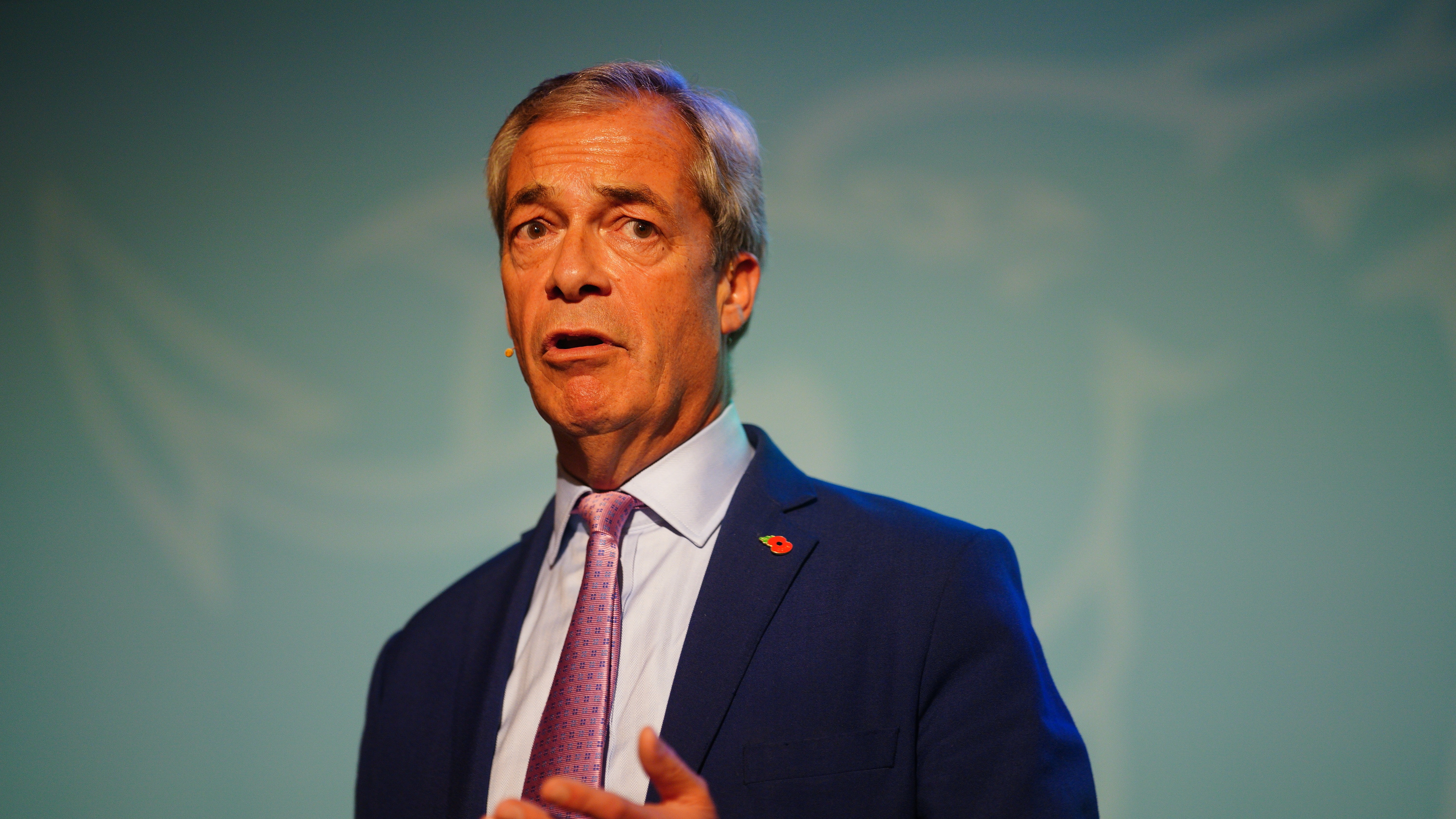
Nigel Farage, leader of the UK Reform Party, has announced his intention to target seats in the Welsh Senedd during the upcoming 2026 election. Farage’s focus on Wales marks a strategic shift, aiming to galvanise support in a region traditionally sceptical of his politics, and traditional Labour. The move has been met with both enthusiasm from his base and scepticism from political analysts.
Farage’s renewed political ambitions stem from growing discontent over the perceived inefficiency of the devolved government in Wales. He has criticised the Welsh Labour-led administration for its handling of issues such as healthcare, education, and economic development. Farage’s campaign is expected to focus on reducing what he calls “bloated bureaucracy” in Cardiff Bay and advocating for a leaner, more centralised approach to governance.4
The Welsh Senedd, officially known as Senedd Cymru or the Welsh Parliament, is the devolved legislature for Wales. Established in 1999, it gained increasing powers over time, including control over health, education, and transport. Unlike the UK Parliament, which holds elections every five years, the Senedd elections are typically held every five years, aligning with the standard electoral cycle of devolved administrations in the UK. However, the timing can vary slightly due to circumstances like the 2021 election being delayed by the COVID-19 pandemic.
The Senedd’s proportional representation system, using an additional member voting method, ensures a more balanced representation compared to the first-past-the-post system used in Westminster. This allows smaller parties and independent candidates a greater chance of winning seats, fostering a diverse political landscape in Wales. The Senedd comprises 60 members, with 40 elected directly in constituencies and 20 allocated through regional lists. This distinct electoral setup reflects Wales’s unique political and cultural context, reinforcing the importance of regional governance and identity.5
However, his path to success is fraught with challenges. The Welsh Senedd operates under a proportional representation system, which may require Farage to secure broader alliances. Additionally, his anti-devolution stance may alienate voters who view the Senedd as a vital institution for protecting Welsh interests. Many argue that Farage’s policies lack nuance and fail to address the complexities of Welsh identity and governance.
While Farage’s announcement has energised his supporters, questions remain about whether he can translate his success in European and Westminster politics to the Welsh context. The 2026 Senedd election will serve as a litmus test for his appeal in a devolved setting, where regional identity often plays a critical role in voter decision-making.
My Opinion on this
Two opinions in one post? Well, I’m not sorry. When it comes to Nigel Farage, I just can’t hold back.
Farage is the kind of figure that makes you cringe, not just because of his politics, but because of his entire approach. I personally can’t stand the man. Sure, putting my personal feelings aside (which is hard), the reality is that Reform UK, the party he’s backing, is a far-right, xenophobic mess. Farage has spent years stirring the pot with anti-immigration rhetoric, feeding into the paranoid, disillusioned sections of the public who would rather blame people looking for a better life than take a long, hard look at the greedy politicians and businessmen who are stealing from their pockets.
And let’s not even get started on his party’s identity crisis. Constant rebranding, from UKIP to the Brexit Party and now Reform UK, raises many questions about its long-term vision and credibility. Political success requires more than catchy slogans and inflammatory rhetoric—it demands coherent policies and a commitment to improving citizens’ lives. Yet, Reform UK’s track record suggests it thrives on division rather than unity, offering simplistic solutions to complex issues. The one time the first-past-the-post system worked to the public’s advantage was in the 2024 general election, where, despite garnering nearly 4 million votes, Reform only won 4 seats.
But now, he’s setting his sights on Wales in the 2026 Senedd election. And while I have faith in the Welsh people—they’re generally no strangers to progressive movements—there’s a worrying trend. Labour has been struggling with its leadership, and Wales, with its rural, predominantly white communities, could be a fertile ground for Farage’s divisive politics. The Welsh electorate has traditionally leaned toward Labour or Plaid Cymru, but if people are disillusioned enough, they might be tempted to vote for “change,” even if that change comes wrapped in nationalist, xenophobic packaging.
I’m not denying that Labour has had its flaws, and there’s a need for revitalisation in Welsh politics, but can we really afford to replace progressive politics with the likes of Farage? When we look at the contrast between the Greens, who push for social justice and sustainability, and Reform UK, which thrives on fear, bigotry, and backward-looking policies, it’s hard to swallow. One offers a future where we’re all equal, and the other fuels division. The fact that these far-right parties can stand shoulder-to-shoulder with left-wing parties in terms of seats is a glaring issue.
I may be biased as a left-leaning person, but there’s no way to justify a party that builds its platform on racism, nationalism, and exclusion. Farage’s whole pitch is based on “taking back control,” but who’s really in control here? It’s the same people who are hoarding wealth, avoiding taxes, and deflecting blame onto the most vulnerable. The Welsh should be wary of this rhetoric, especially with Farage now targeting their Senedd seats. This is a litmus test not just for Wales, but for the UK’s future.
Biden Greenlights Ukrainian Strikes on Russian Territory
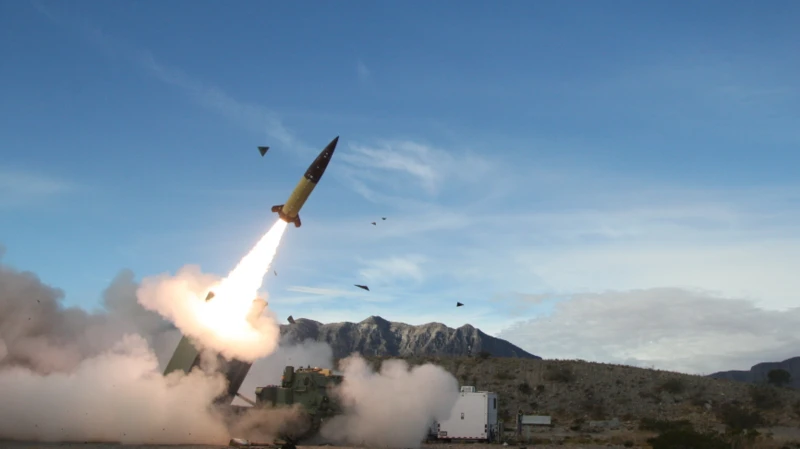
In a pivotal shift in U.S. foreign policy, President Joe Biden has authorised Ukraine to use American-supplied ATACMS missiles (Army Tactical Missile System) to strike targets within Russian territory. The decision, announced last week, represents an escalation in the ongoing conflict between Ukraine and Russia, further complicating an already volatile geopolitical landscape.
The U.S. had previously limited Ukraine’s use of Western weaponry to defensive operations within its borders. However, Biden’s administration argues that enabling Ukraine to target Russian military installations is a necessary step to counter Russia’s ongoing aggression. Ukrainian President Volodymyr Zelensky has welcomed the decision, emphasising that the strikes would focus on military objectives and avoid civilian areas.
The move has drawn mixed reactions globally. NATO allies have largely supported the decision, viewing it as a critical measure to deter further Russian aggression. However, critics warn of potential retaliation from Moscow, which has already condemned the U.S. as a direct participant in the conflict. Russian officials have threatened escalated military responses, raising fears of a broader confrontation.
In the U.S., the policy shift has sparked debate among lawmakers, with some arguing that it risks dragging the country deeper into the war. The Biden administration maintains that the decision is calibrated to avoid escalation while demonstrating unwavering support for Ukraine’s sovereignty. The world watches closely as tensions rise to see how this new conflict phase unfolds.6
Other Global News this Week

COP29 Climate Summit: Major Talks on Global Emissions and Adaptation
The 29th United Nations Climate Change Conference (COP29) is currently underway in Baku, Azerbaijan, where world leaders are intensifying efforts to combat climate change. Key discussions have focused on improving climate adaptation strategies for vulnerable nations and boosting climate finance.
The conference is drawing attention to the urgent need for countries to cut emissions, with particular emphasis on methane reduction. However, the negotiations have been marred by disagreements over how to fund the transition to greener economies, especially for developing nations that are most affected by environmental disasters. Despite these hurdles, COP29 is seen as a pivotal moment in global climate diplomacy, as nations wrestle with their responsibility to protect the environment while ensuring economic stability.
The outcomes of this conference could reshape future policies around sustainable energy, finance, and international collaboration in tackling the climate crisis.7
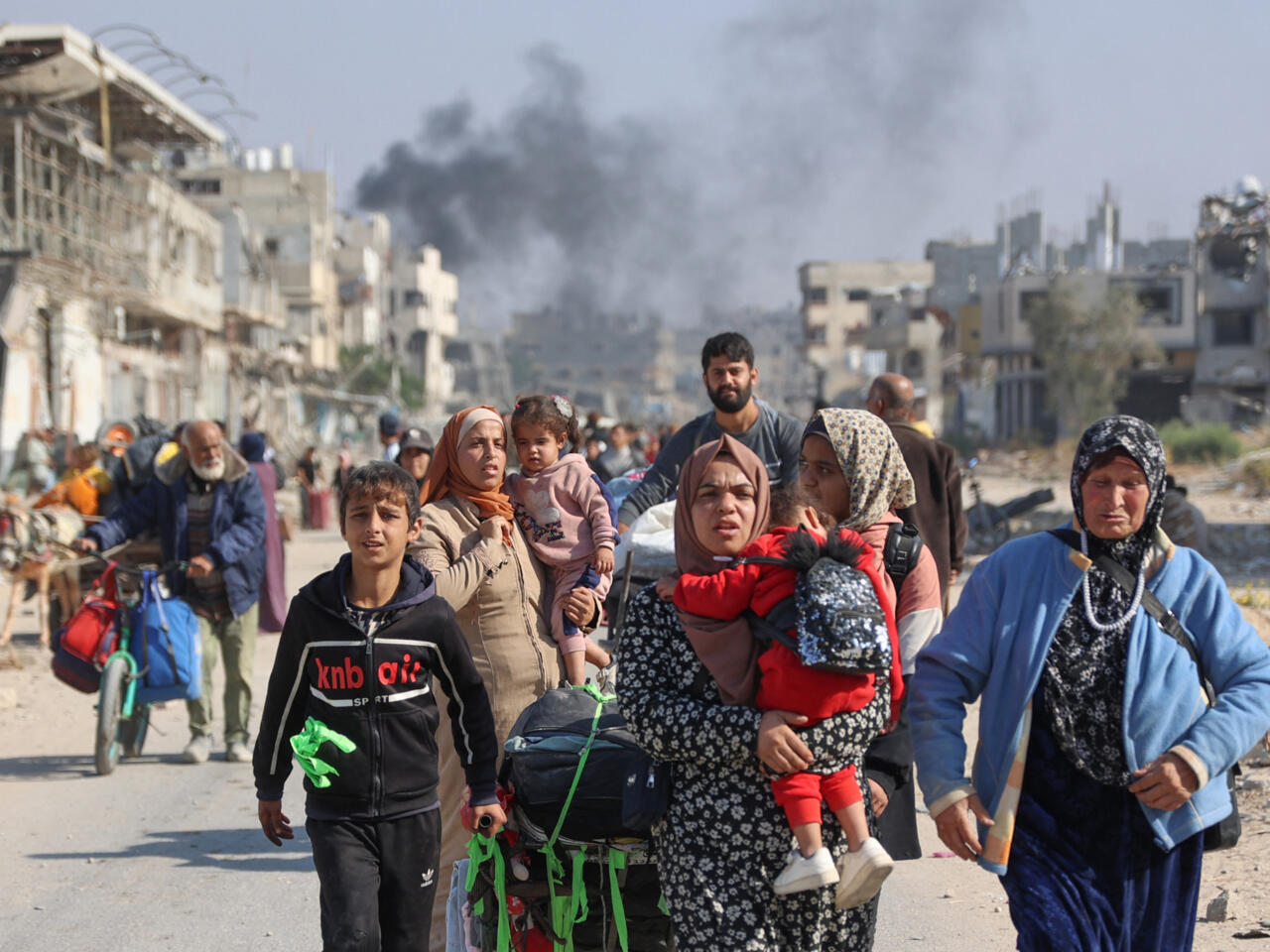
Human Rights Watch Criticises Israel’s Actions in Gaza
On November 14, 2024, Human Rights Watch (HRW) released a report accusing Israel of committing war crimes during its military offensives in Gaza. The report documents the destruction of civilian infrastructure and the displacement of millions of Palestinian residents, underscoring the dire humanitarian crisis in the region. HRW has highlighted numerous incidents where Israel’s actions have disproportionately impacted civilians, calling for international accountability.
The ongoing conflict has led to increased tensions and debates in global forums regarding Israel’s military conduct. International responses have been divided, with some nations backing Israel’s right to defend itself, while others have expressed grave concern over the humanitarian toll. This report comes at a time when global pressure is mounting for a more comprehensive approach to resolving the Israeli-Palestinian conflict. The findings are likely to influence diplomatic discussions in upcoming United Nations meetings and humanitarian aid negotiations.8

Rising Far-Right Influence in Europe: Economic Concerns Mount
Far-right political movements are gaining traction across Europe, as seen in the recent surge of Marine Le Pen’s National Rally party in France, which now holds a dominant position in parliament. In the UK, the Reform Party, led by Nigel Farage, has experienced significant growth, reflecting broader populist trends throughout the continent. 9
These movements are fueled by economic discontent, concerns over immigration, and dissatisfaction with traditional political elites. In particular, the economic challenges facing many European nations exacerbating the appeal of nationalist policies that promise to protect local industries and reduce immigration. This shift toward populism is causing alarm among analysts, who fear it could undermine European unity and social cohesion.
Critics argue that far-right rhetoric, which often includes anti-immigrant and anti-globalisation sentiment, fails to address the underlying economic issues facing ordinary citizens, such as wealth inequality and job insecurity. As these parties gain influence, many wonder if Europe’s political landscape is becoming more fragmented, with dangerous consequences for the EU’s cohesion and the region’s stability.10
Footnotes
- BBC Newsround (2024). New Zealand Parliament Brought to a Halt by Haka. [online] BBC Newsround. Available at: https://www.bbc.co.uk/newsround/articles/c704llnjr0ro [Accessed 21 Nov. 2024]. ↩︎
- Ministry for Culture and Heritage (2017). The Treaty in Brief. [online] New Zealand History. Available at: https://nzhistory.govt.nz/politics/treaty/the-treaty-in-brief [Accessed 21 Nov. 2024]. ↩︎
- New Zealand (n.d.). The Haka – Dance of War – Maori Haka – New Zealand | Tourism NZ. [online] http://www.newzealand.com. Available at: https://www.newzealand.com/uk/feature/haka/ [Accessed 21 Nov. 2024]. ↩︎
- Lewis, G. and Browne, A. (2024). Nigel Farage Says Reform Labour’s Main Challenger at Senedd Poll. BBC News. [online] 7 Nov. Available at: https://www.bbc.co.uk/news/articles/czj7krljzg1o [Accessed 21 Nov. 2024]. ↩︎
- Senedd Cymru (2021). Senedd Election Frequently Asked Questions. [online] Senedd. wales. Available at: https://senedd.wales/election/senedd-election-faqs/ [Accessed 21 Nov. 2024]. ↩︎
- Adams, P. and Armstrong, K. (2024). Biden Allows Ukraine to Strike inside Russia with long-range Missiles. BBC News. [online] 17 Nov. Available at: https://www.bbc.co.uk/news/articles/c789x0y91vvo [Accessed 20 Nov. 2024]. ↩︎
- Niranjan, A., Taylor, M., Carrington, D., Greenfield, P., Harvey, F. and Noor, D. (2024). Cop29 live: Campaigners Say Talks Are ‘Reaching Point of Real Emotion’. [online] The Guardian. Available at: https://www.theguardian.com/environment/live/2024/nov/20/cop29-climate-summit-live-updates-baku-azerbaijan [Accessed 20 Nov. 2024]. ↩︎
- Krever, M. and Nasser, I. (2024). Human Rights Watch Accuses Israel of Mass Displacement in Gaza Amounting to a War Crime. [online] CNN. Available at: https://edition.cnn.com/2024/11/14/middleeast/hrw-israel-gaza-displacement-war-crime-intl-hnk/index.html [Accessed 20 Nov. 2024]. ↩︎
- Goury-Laffont, V. (2024). As France’s Marine Le Pen stumbles, Her far-right Protégé Seizes the Limelight. [online] POLITICO. Available at: https://www.politico.eu/article/jordan-bardella-glitzy-book-tour-far-right-palace-coup-marine-le-pen-embezzlement/ [Accessed 20 Nov. 2024]. ↩︎
- Rodríguez-Aguilera, C. (2014). The Rise of the Far Right in Europe. [online] http://www.iemed.org. Available at: https://www.iemed.org/publication/the-rise-of-the-far-right-in-europe/ [Accessed 20 Nov. 2024]. ↩︎
Subscribe
Enter your email below to receive updates.
 Reigniting Politics
Leave a comment