w/b 4th of November 2024
Best read on a desktop in a browser.
- w/b 4th of November 2024
Donald Trump Secures Victory in 2024 U.S. Presidential Election
In a remarkable political comeback, Donald Trump has been elected as the 47th President of the United States, defeating Kamala Harris in a contentious and closely watched race. Trump’s victory—bolstered by strong showings in the Rust Belt and rural areas—resonates with deep-seated nationalist and anti-establishment sentiments within the American electorate.1
His campaign, echoing themes from 2016, focused on immigration, trade protectionism, and a “pro-American” agenda, promising aggressive economic policies such as tariffs and a massive clampdown on unauthorized immigration. Trump’s alignment with figures like Elon Musk, who endorsed him and donated generously to his campaign, energized a conservative base that helped him prevail across battleground states.
Trump’s return to the White House marks a resurgence of his “America First” ideology, likely bringing a more isolationist stance that could reshape both domestic and foreign policy. Domestically, Trump’s focus is expected to shift toward reducing regulation and promoting tax cuts, especially aimed at benefitting corporations and high-income households. Additionally, his pledges to tackle “law and order” and increase border security suggest a heightened emphasis on immigration restrictions.

The Electoral College
The Electoral College remains a distinctive feature of the U.S. electoral system. Unlike a direct popular vote, the presidential election outcome is determined by 538 electors, distributed among the states based on their population. Most states employ a winner-takes-all approach, awarding all their electoral votes to the candidate who wins the state’s popular vote. This system has been a source of significant debate, particularly as it can result in outcomes where the popular vote does not align with the Electoral College result, as seen in 2000 and 2016.2
What Does This Mean Internationally
On the global stage, Trump’s win has already prompted concerns over potential shifts in international alliances and agreements. His scepticism toward NATO and favouring of bilateral trade deals could lead to a scaling back of US involvement in multilateral institutions. Allies in Europe, particularly Germany and France, are reportedly apprehensive about the stability of Western alliances under Trump, fearing his policies may favour American interests at their expense. This return to unilateralism could also embolden leaders in countries like Russia and China, potentially intensifying global tensions and competition over influence.
For the UK, Trump’s victory raises significant diplomatic questions. Foreign Secretary Daniel Lammy, known for his progressive stance on global issues, has already drawn criticism for expressing concerns over Trump’s policies on climate and trade. Lammy’s cautious reaction has triggered mixed responses at home, with some MPs arguing that he’s unnecessarily straining UK-US relations. In contrast, others commend his resistance to an administration likely to push back on climate commitments and human rights advancements. 3

My Opinion on this
I don’t think my opinion surprises anyone: this is a loss for women, a loss for ethnic minorities, a loss for the queer community and a loss for politics as a whole. I cannot fathom how, in a country filled with potential and progress, the choice came down to this.
I cannot see any reason someone would vote for Donald Trump. His track record is riddled with controversies, incompetence, and outright disregard for democratic norms. Every reason Kamala Harris could be scrutinised as an unreliable leader—her policies, her perceived rigidity, her lack of experience in certain areas—Trump triples. Yet here we are, with a convicted felon returning to the highest office in the land.
How did anyone choose the latter between a qualified, capable woman and a man who is—and I cannot stress this enough—A. Convicted. Felon!? The question echoes louder in this election because we can’t even lay the blame at the feet of the Electoral College this time. For all its faults, this time, Trump also won the popular vote. That means millions of people looked at the two options and actively chose him.
This isn’t just disappointing—it’s alarming. It says something chilling about the state of our political landscape. That rhetoric filled with division, misogyny, and racism can overshadow tangible qualifications and progress signals a deep fracture in society.
For women, this is a gut punch. When the glass ceiling is shattered in so many fields, politics remains a glaring exception. Harris’s failure to secure the presidency isn’t just her loss—it’s a setback for every woman who dares to dream big in the face of systemic bias.
For ethnic minorities, the message is clear: the progress promised after decades of struggle is still conditional. It can be easily overshadowed by the whims of those who see diversity as a threat, rather than a strength.
For politics, this is an existential crisis. How can one of the world’s oldest modern democracies maintain credibility when it rewards those who undermine its principles? Trump’s victory isn’t just about policies or partisanship—it’s about whether honesty, decency, and accountability still matter in leadership.
I fully believe Trump has almost ruined politics. Don’t get me wrong—politics was far from perfect before his arrival. It has long been riddled with corruption, dishonesty, and the kind of bigotry that prioritises the voices of white men while marginalising everyone else. But Trump has amplified those flaws, making a spectacle out of the political process itself.
He has turned governance into a reality show, a circus designed to entertain rather than inform. Policies that shape the lives of millions are reduced to tweet-length soundbites, while serious issues like climate change, racial inequality, and economic disparity are trivialised or ignored altogether. The media coverage, too often drawn into his theatrics, feeds this frenzy, transforming politics into a form of entertainment for people who neither care about nor understand the disastrous effects men like him have on the world.
What’s most troubling is how he has normalised this behaviour. His scandals, lies, and authoritarian tendencies no longer shock the way they once did; they’ve become background noise. This desensitisation is dangerous. It shifts the boundaries of what is acceptable in politics, allowing future leaders to embrace similar tactics without facing the same level of scrutiny or outrage.
Germany’s Coalition Government Collapses
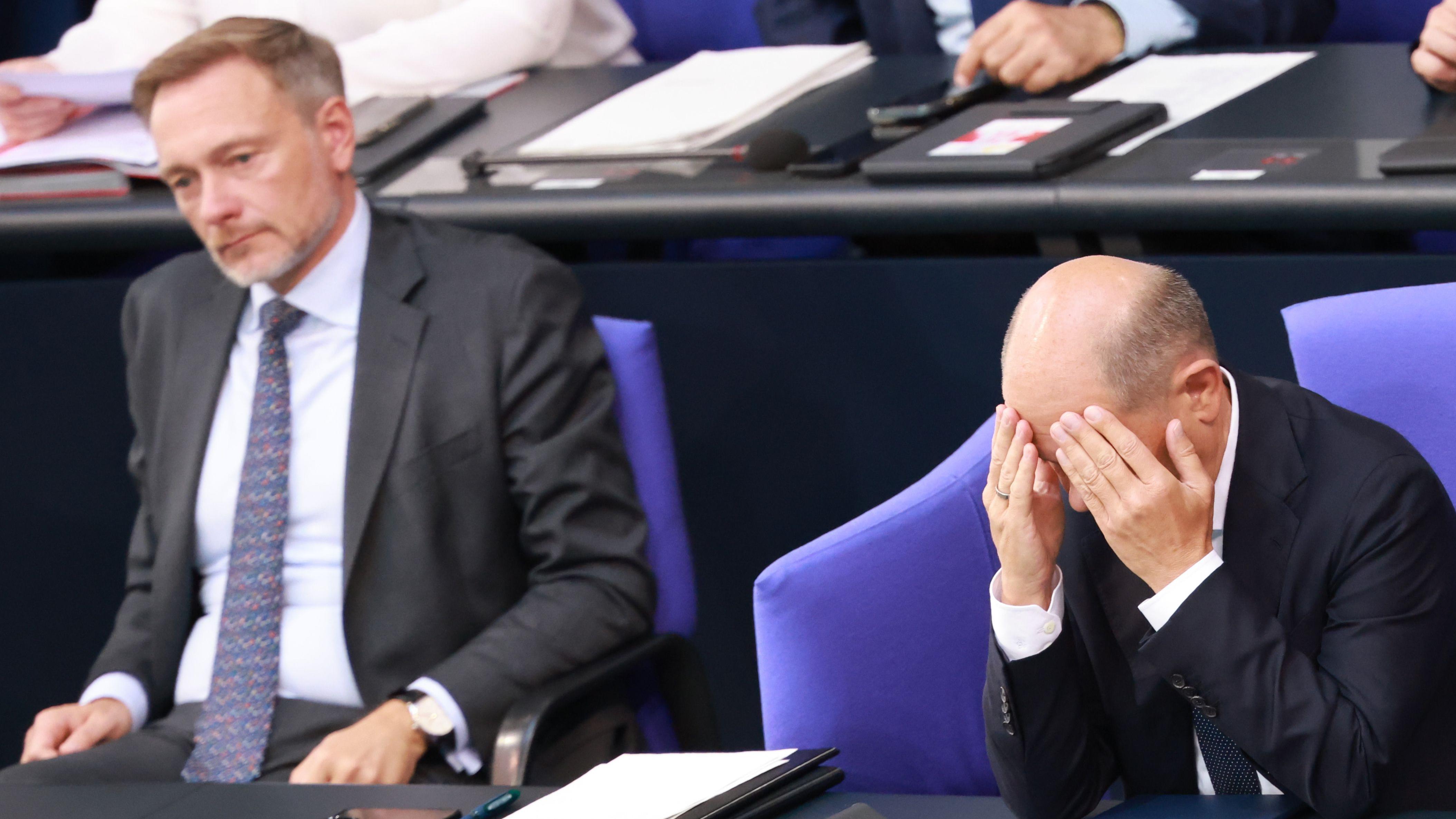
Germany’s government has plunged into a significant crisis following the collapse of the coalition led by Chancellor Olaf Scholz, comprising the SPD (Social Democratic Party), the Greens, and the FDP (Free Democratic Party). This coalition, which came into power with high expectations of uniting progressive and centrist forces, ultimately fell apart after Scholz made the controversial decision to dismiss Christian Lindner, the leader of the FDP and Finance Minister, following a series of heated disputes over fiscal policy and energy reforms.4
The dismissal marked the breaking point for a coalition already straining under the weight of ideological differences. The FDP, which prioritised fiscal conservatism and pro-business policies, had clashed repeatedly with the Greens over the scale and speed of Germany’s green energy transition. The Greens pushed for ambitious climate policies, including stricter emissions targets and significant investment in renewable energy infrastructure, while the FDP resisted measures they deemed economically disruptive.
Tensions also flared over public spending. The SPD and Greens advocated for increased social programme funding to address inequality and support Germany’s energy transition, but the FDP stood firm against proposals they believed would lead to unsustainable debt. Immigration reform further exacerbated divisions, with debates over asylum policies and labour migration reflecting deeper ideological rifts within the coalition.
Scholz’s decision to dismiss Lindner was perceived by the FDP as a betrayal, prompting the party to withdraw from the coalition and leaving the government in disarray. The move not only dissolved the partnership but also signalled a loss of trust and mutual respect among the coalition partners—elements essential for the survival of any multi-party government.
The collapse of Scholz’s government raises urgent questions about the future of Germany’s political landscape. With no clear path forward, the country faces the possibility of a snap election in Febuary, which could further fragment the electorate. This could benefit fringe parties, particularly the far-right Alternative für Deutschland (AfD), which has been gaining traction amidst public discontent with mainstream parties. Alternatively, lengthy and complex negotiations may lead to the formation of a new coalition, though the viability and stability of such a government would remain uncertain.5
Wider Implications
The repercussions of this political upheaval extend beyond Germany’s borders. As one of the EU’s largest economy and a cornerstone of its policy leadership, Germany’s internal instability risks undermining its ability to lead on key European initiatives. Economic recovery, defence policies, and climate goals—already facing significant challenges—could be further delayed or derailed without clear leadership from Berlin.
The breakdown also underscores the inherent difficulties of coalition politics in a landscape where parties with starkly contrasting ideologies must work together. Germany’s experience highlights a broader challenge faced by democracies worldwide: how to bridge ideological divides to achieve effective governance.
For Germany and Europe, the path ahead is fraught with uncertainty. Restoring political stability will require not only pragmatic leadership but also a renewed focus on rebuilding public trust and fostering cooperation across political divides. Without this, Germany risks deeper polarisation at home and diminished influence within the EU—a prospect with far-reaching consequences for the region and beyond
Jonathan Powell Appointed UK National Security Advisor
In a significant appointment, Jonathan Powell has been named the new National Security Advisor under Prime Minister Keir Starmer. Powell, a seasoned diplomat and former Chief of Staff to Tony Blair, is renowned for his instrumental role in brokering the Good Friday Agreement. His experience in conflict resolution and strategic diplomacy positions him as a compelling choice for a role traditionally filled by figures from military or intelligence backgrounds. Starmer’s choice reflects his intent to bring a fresh approach to national security that incorporates diplomatic expertise alongside traditional defence strategies.6
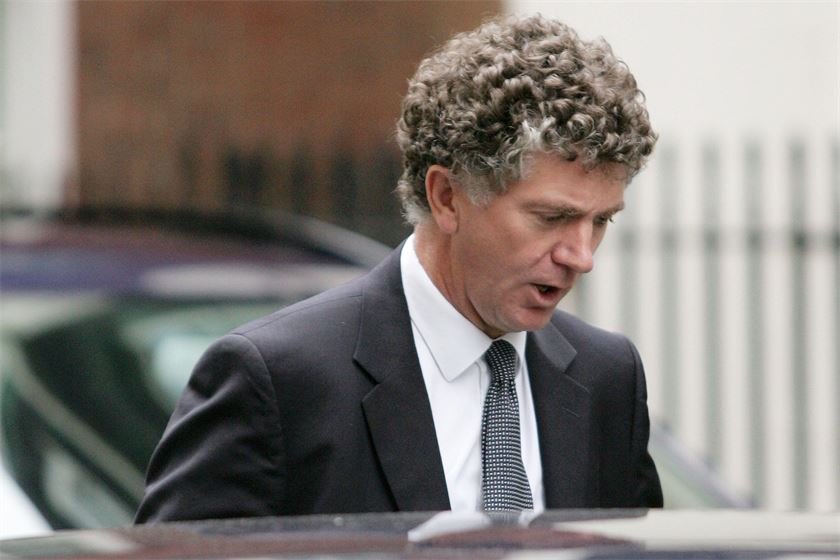
Powell’s appointment has sparked extensive commentary, with some applauding the decision as a step toward revitalising the UK’s foreign policy framework. As national security advisor, Powell is expected to focus on issues like counter-terrorism, cyber security, and international collaboration, with a specific emphasis on relations with China and Russia. His diplomatic background suggests a likely emphasis on coalition-building within NATO and the EU. However, critics argue that Powell’s negotiation-focused approach may lack the decisiveness required for urgent security threats, highlighting a broader debate over the evolving role of diplomacy in contemporary security challenges.
Starmer’s appointment of Powell underscores his commitment to reinforcing the UK’s global standing, especially as the country navigates its post-Brexit identity and seeks to redefine its influence on the global stage.
Other Global News this Week

Post-Election Violence Erupts in Mozambique
At least 30 people have been reported killed in Mozambique following weeks of post-election violence. Tensions flared after the opposition Renamo party accused the ruling Frelimo party of election fraud in the October 11 presidential election, which saw incumbent Filipe Nyusi claim victory. Protests and clashes have been particularly intense in the northern and central regions, where Renamo holds significant support.
The violence has displaced thousands, with reports of homes burned, arbitrary arrests, and assaults. Rights groups have condemned the escalating situation, urging the government to ensure safety for civilians and investigate allegations of misconduct by security forces. Meanwhile, international observers have called for dialogue between political leaders to prevent further escalation. The instability threatens Mozambique’s fragile peace, which has been tenuously maintained since the 2019 agreement ending decades of civil war between Frelimo and Renamo.
This unrest also jeopardizes Mozambique’s economic recovery, particularly in regions affected by natural disasters and Islamist insurgencies. As the country grapples with these challenges, the international community has urged all parties to prioritize stability and democratic integrity. Observers warn that continued violence could erode Mozambique’s democratic progress and deepen existing divisions.7
Hurricane Rafael Intensifies on Path Toward Cuba
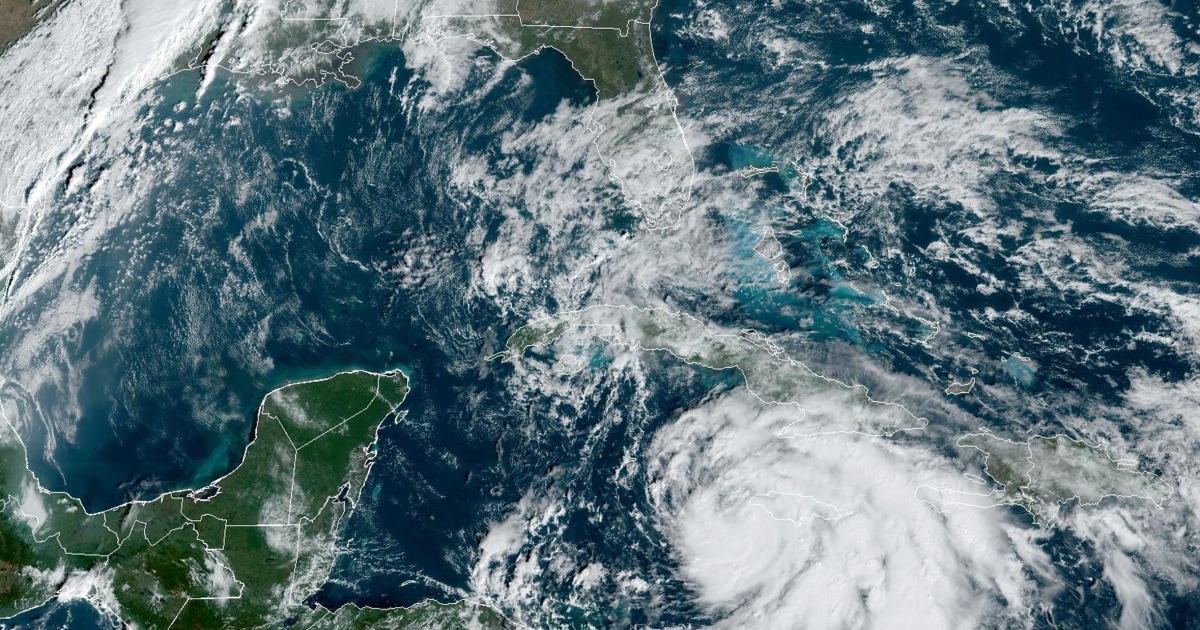
Hurricane Rafael has rapidly strengthened into a Category 3 storm as it barrels toward Cuba, threatening devastating impacts. Currently churning northward, the storm has already unleashed torrential rains and gale-force winds across the Caribbean, with Puerto Rico and the Dominican Republic experiencing significant flooding and power outages. Cuba is bracing for Rafael’s landfall, expected to bring winds exceeding 180 km/h and heavy rainfall capable of triggering landslides and flash floods.
The Cuban government has issued evacuation orders for low-lying areas, and emergency shelters have been established. Meanwhile, the U.S. National Hurricane Center has warned that Rafael could intensify further before making landfall, urging residents in its path to complete preparations urgently.
Hurricane Rafael is part of an unusually active Atlantic hurricane season, with scientists attributing its intensity to warmer-than-average ocean temperatures exacerbated by climate change. The storm’s potential impacts extend beyond Cuba, with parts of the U.S. East Coast under watches for heavy rain and high surf. As Rafael approaches, aid organizations are mobilizing to assist affected regions, highlighting the urgent need for robust climate resilience in vulnerable areas.8

Tragedy Strikes in Greece as Migrants Forced Overboard
Four people have died off the coast of Greece after a smuggler allegedly forced passengers off a boat into rough seas. The incident occurred near the Aegean island of Lesbos, where survivors reported being threatened and thrown overboard by the smuggler in a bid to evade authorities. Greek rescue teams recovered four bodies, including a child, while managing to save 22 others clinging to debris.
This tragedy highlights the perilous journeys many migrants undertake in search of safety and opportunity, often falling victim to exploitation by smugglers. Greece, a key entry point into the European Union for migrants from the Middle East, Asia, and Africa, has faced criticism over its handling of migration and alleged pushbacks at sea.
The incident has reignited calls for comprehensive EU policies to address migration and combat smuggling networks. Human rights groups are urging Greek authorities to thoroughly investigate the smuggler’s actions and ensure accountability. Meanwhile, the UNHCR has reiterated its plea for safe and legal migration pathways to prevent such tragedies, underscoring the urgent need for coordinated international action to address the root causes of migration.9
- Smith, D. and Pengelly, M. (2024). Donald Trump Elected US President in Stunning Political Resurrection. [online] The Guardian. Available at: https://www.theguardian.com/us-news/2024/nov/06/donald-trump-wins-us-presidential-election [Accessed 18 Nov. 2024]. ↩︎
- National Archives (2023). What Is the Electoral College? [online] National Archives. Available at: https://www.archives.gov/electoral-college/about [Accessed 17 Nov. 2024]. ↩︎
- Mason, C. and Morton, B. (2024). David Lammy Dismisses past Criticism of Donald Trump as ‘old news’. BBC News. [online] 7 Nov. Available at: https://www.bbc.co.uk/news/articles/cm2z1zm1pk3o [Accessed 17 Nov. 2024]. ↩︎
- Garnett, E. (2024). Germany’s Coalition Government Has Collapsed: Here’s Why. [online] Atlas . Available at: https://theatlasnews.co/europe/2024/11/14/germanys-coalition-government-has-collapsed-heres-why [Accessed 17 Nov. 2024]. ↩︎
- Karcher, K. (2024). Why the German Government Collapsed and What to Expect Now. [online] The Conversation. Available at: https://theconversation.com/why-the-german-government-collapsed-and-what-to-expect-now-243164 [Accessed 17 Nov. 2024]. ↩︎
- Mason, R. (2024). Tony Blair’s Former Chief of Staff Appointed PM’s National Security Adviser. [online] The Guardian. Available at: https://www.theguardian.com/politics/2024/nov/08/jonathan-powell-tony-blair-former-chief-of-staff-appointed-national-security-adviser [Accessed 17 Nov. 2024]. ↩︎
- Jazeera, A. (2024a). At least 30 reported killed in weeks of post-vote violence in Mozambique. [online] Al Jazeera. Available at: https://www.aljazeera.com/news/2024/11/8/at-least-30-reported-killed-in-weeks-of-post-vote-violence-in-mozambique [Accessed 17 Nov. 2024]. ↩︎
- Sherwood, D. and Acosta, N. (2024). Hurricane Rafael Lashes Cuba, Power Grid Collapse. Reuters. [online] 7 Nov. Available at: https://www.reuters.com/world/americas/hurricane-rafael-strengthening-quickly-it-churns-north-towards-cuba-2024-11-06/ [Accessed 17 Nov. 2024]. ↩︎
- Jazeera, A. (2024b). Four Die in Greece after Smuggler Allegedly Forces Passengers off Boat. [online] Al Jazeera. Available at: https://www.aljazeera.com/news/2024/11/6/four-die-in-greece-after-smuggler-allegedly-forces-passengers-off-boat [Accessed 17 Nov. 2024]. ↩︎
Subscribe
Enter your email below to receive updates.
 Reigniting Politics
Leave a comment