w/b 28th of October
Best read on a desktop in a browser.
Flash Floods Devastate Spain
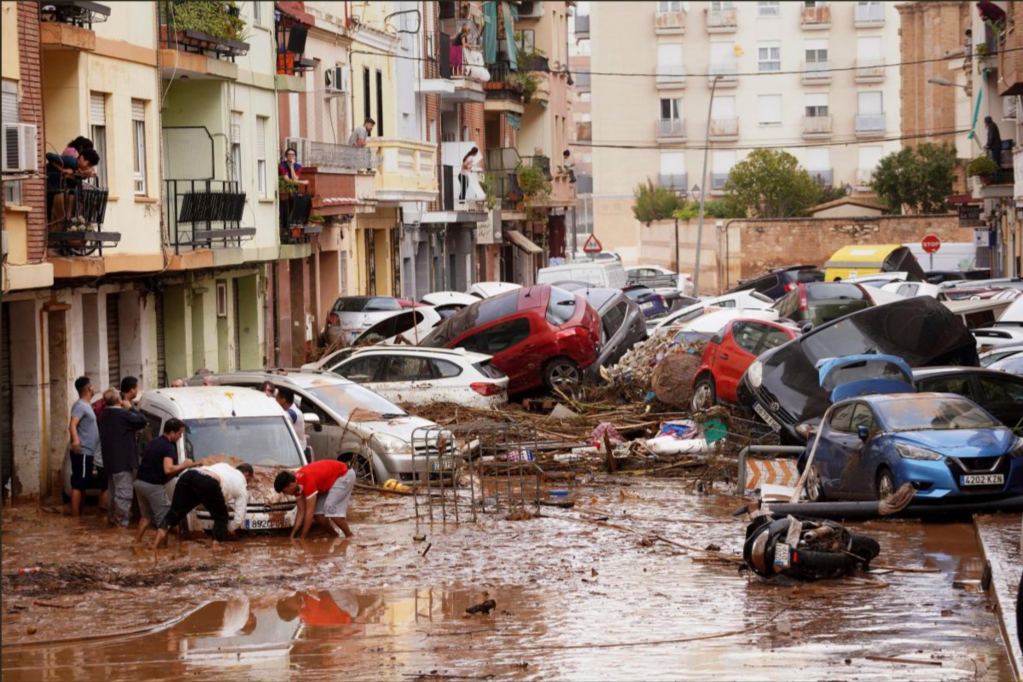
This week, Spain faced severe flash floods, impacting towns and communities across regions such as Valencia, Alicante, and Murcia. Torrential rains triggered mudslides, and infrastructure collapse, and overwhelmed local emergency response systems, particularly in poorer communities that lack robust infrastructure.
Over 300mm of rainfall was recorded within 24 hours, an amount the region typically sees over an entire autumn season. The downpour left streets submerged, isolating villages, displacing residents, and tragically resulting in multiple fatalities and injuries.1
These floods add to a pattern of climate-related disasters in Europe, where extreme weather events, from fires in Greece to floods in Germany, have shown the mounting toll of climate change. However, responses remain piecemeal and are often reactive rather than proactive. In Spain, while warnings were issued, government interventions—such as flood control infrastructure improvements—were slow and ineffective. Valencia and Murcia are historically flood-prone regions, yet mitigation measures remain inadequate, particularly in lower-income areas where residents experience disproportionate impacts. Without significant investment in climate-resilient infrastructure and inclusive planning, critics fear that these communities will continue to bear the brunt of future disasters.2
The recent hurricanes Helene and Milton further remind us of the need for a global shift in how we address natural disasters. Experts are urging international governments to adopt more rigorous climate adaptation strategies, from modernising drainage systems to creating buffer zones that prevent building in high-risk areas. In Spain, leaders have promised financial support for those affected and announced reviews of flood-prone regions’ risk assessments. Yet, advocates argue that piecemeal responses fail to create sustainable resilience against climate events after each disaster.

Felipe VI, King of Spain, being pelted with mud as he visits the floods in Valencia.
Kemi Badenoch: New Conservative Leader, New Direction?
This week saw a dramatic shift in British politics as Kemi Badenoch secured the position of Conservative Party leader, becoming the first black woman to lead a major UK political party. Badenoch’s election comes at a crucial time for the Conservatives, whose popularity has waned significantly in recent years, culminating in Labour’s victory in the July general election.
Known for her conservative stance on social issues and commitment to Brexit ideals, Badenoch’s leadership starkly contrasts the outgoing administration, which some critics labelled as too centrist and disconnected from traditional Conservative values.3

Badenoch’s leadership is widely anticipated to pivot the Conservative Party further to the right, emphasising immigration control, deregulation, and a ‘back to basics’ approach that focuses on traditional values. While some Tory members believe this hard-line stance may resonate with disillusioned voters, many argue that such policies could alienate moderate supporters.
Badenoch’s influence has been compared to the ideological shift Margaret Thatcher brought to the party in the 1980s, representing a return to grassroots conservatism.4
Looking ahead, Badenoch faces the dual challenge of uniting the party’s fractured base and addressing pressing national issues like inflation, housing, and healthcare reform. Her success may depend on her ability to bridge the gap between right-wing loyalists and the broader electorate. As she prepares for her role as opposition leader, many will be watching closely to see if Badenoch can revitalise the Conservatives or if her leadership will deepen divisions within the party.
My Opinion on This
The election of Kemi Badenoch as the new leader of the Conservative Party is a move that few anticipated, sparking mixed reactions across the political spectrum. Initially, I was genuinely shocked—Badenoch seemed too “extreme” for a party known for its cautious centrism, especially after its recent loss of power. But in some ways, her leadership might be what the Conservatives need most now. They are no longer in power and won’t be until at least the next general election, giving them time to reshape their platform away from the immediate pressures of government. Badenoch’s boldness could either revive the party or alienate the moderate supporters who remain. (Not that I believe this is positive or will benefit the UK as a whole in any way)
Yet, for all her symbolic power as a black immigrant woman, there’s something undeniably uncomfortable about seeing her at the helm of a party that has so often positioned itself against these very identities. As a feminist, I feel conflicted: there’s a certain pride in seeing more women ascend to high office, particularly in roles historically dominated by men. But can I truly support a woman who fundamentally opposes many of my core values? It’s even more complex considering Badenoch’s stance on issues like immigration, which leans hard-right despite her own immigrant background. In some ways, her rise speaks to the Labour Party’s failure to present a compelling enough alternative, even to those from historically marginalised backgrounds who might naturally align with its values.
The irony here is striking, as Badenoch’s leadership highlights a broader critique of British politics itself. Every female prime minister in the UK has come from the Conservative Party—Margaret Thatcher, Theresa May, and now Badenoch’s potential future role. This pattern suggests that opportunities for women in politics are often less about ideology than about individual ambition. Women in leadership positions within the Conservatives have historically not championed the causes of feminism or minority rights. Thatcher, for example, made little effort to advance women’s rights despite breaking the ultimate glass ceiling. Badenoch appears poised to follow in her footsteps, advocating policies that seem to ignore, or even counter, the interests of women and ethnic minorities.
It’s tempting to view this as an issue with Badenoch herself, but in reality, it’s an indictment of the political system as a whole. Many politicians seem compelled to “fit in” with the white-male-dominated political establishment, effectively erasing their unique identities in the process. To succeed, Badenoch has had to become “one of the boys,” downplaying her background as though it were an inconvenient detail rather than a powerful asset. Her identity as a black woman often feels overshadowed by the white-male archetype she’s had to embody to succeed.
Until our political culture genuinely values diversity—not just as a checkbox but as something to be celebrated—we will continue to see leaders like Badenoch, whose ascendance might be historic but ultimately feels hollow. For now, the Conservatives may have their female leader, but the question remains: at what cost to authenticity and genuine progress?
Other Global News this Week

IKEA to Compensate East German Prisoners Used in Forced Labor Scheme
In a historical move, IKEA has agreed to pay €6 million in compensation to former East German prisoners who were forced to work in brutal conditions manufacturing furniture for the company during the Cold War. This settlement comes after years of advocacy by survivors who endured physical and psychological suffering in GDR prisons, where they were coerced into labour that IKEA benefited from through its supply chains. Investigations revealed that IKEA furniture production depended significantly on this forced labour, highlighting unethical practices that persisted in many sectors under the GDR’s authoritarian regime.
This settlement represents a turning point for corporate accountability, as IKEA acknowledges its role in these abuses and takes steps toward reparation. The funds will be allocated to survivor organizations, supporting those still living and helping document this dark chapter in IKEA’s history. By addressing these past injustices, IKEA joins other corporations in taking responsibility for ethical violations, though survivors and advocates say it is just the beginning. This reparation package stands as a reminder of the need for transparency in modern supply chains and the ethical duty of corporations to ensure fair labour practices at every level of production.5

Record Smog Prompts Pakistan’s Call for Joint Action with India
As record-breaking smog blankets Lahore and other urban areas in Punjab, Pakistan, the local government is calling for “climate diplomacy” with India to tackle the shared environmental crisis affecting both nations. Punjab’s smog emergency has reached hazardous levels, severely impacting public health, the economy, and daily life, and exacerbating respiratory and cardiovascular problems among residents. The regional government in Lahore has stressed that air pollution crosses national boundaries, and collaboration is vital to address common causes, such as agricultural burning and industrial emissions, that contribute to the smog crisis in both India and Pakistan.
This unprecedented call for cross-border cooperation reflects the urgent need for a coordinated approach to environmental management, especially given the severe impacts of climate change that Pakistan and India are already facing. The proposal aims to establish joint air quality policies, reduce emissions from key sectors, and leverage diplomatic channels to foster regional sustainability initiatives. With environmental conditions worsening across South Asia, this initiative underlines the growing recognition of climate as a core issue for international diplomacy and the need for nations to transcend political tensions in the face of environmental catastrophe.6
In Defiance of Russian Meddling, Moldova Elects Pro-European President
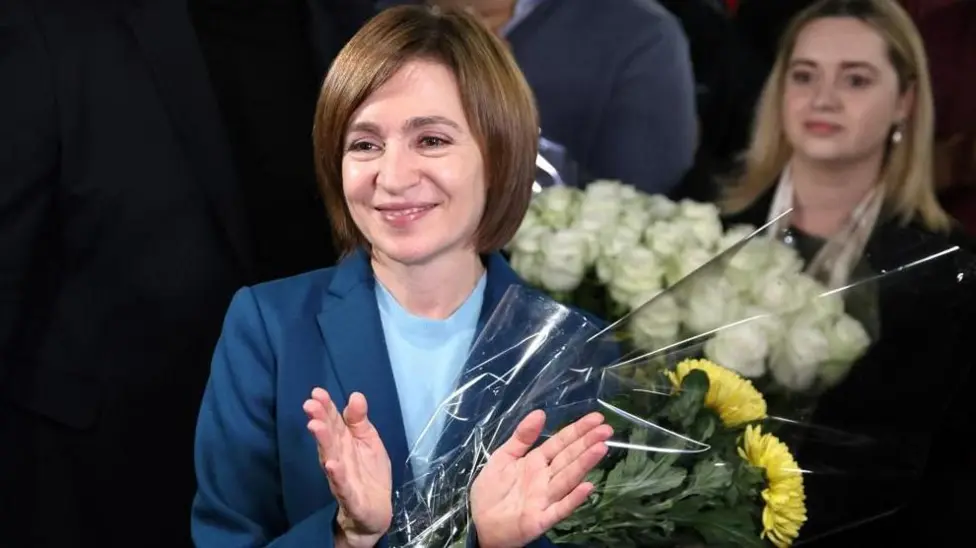
In a significant victory for pro-European forces in Eastern Europe, Moldova has elected a new president committed to strengthening ties with the EU, despite alleged Russian interference in the election process. The election of the pro-EU leader is seen as a pushback against Russian influence, which has long sought to sway Moldova’s political direction through disinformation campaigns and economic pressures. This victory marks a shift in Moldova’s political landscape, as the new administration seeks to pivot away from the Kremlin’s reach and instead align with the EU’s standards on governance, human rights, and economic reforms.
Observers suggest this election could catalyse democratic movements in other post-Soviet states where Russia has a strong foothold. However, the new administration will likely face significant challenges from pro-Russian factions domestically, as well as economic pressures exerted by Moscow. The outcome signals a step forward for EU integration and highlights the resilience of Moldova’s pro-democracy movement in the face of foreign interference. As Moldova charts its path towards EU membership, this election underscores the geopolitical struggle between Western democracies and Russian interests in Eastern Europe.7
Footnotes
- Kassam, A. and Ali, F. (2024). Why Were the Floods in Spain so bad? a Visual Guide. [online] The Guardian. Available at: https://www.theguardian.com/world/2024/oct/31/why-were-the-floods-in-spain-so-bad-a-visual-guide [Accessed 4 Nov. 2024]. ↩︎
- Tanno, S., Paddison, L., Mosquera, P. and Brown, B. (2024). Spain Hit by Deadliest Floods in decades. Here’s What We Know. [online] CNN. Available at: https://edition.cnn.com/2024/10/31/europe/spain-deadly-flash-flooding-wwk-intl/index.html [Accessed 4 Nov. 2024]. ↩︎
- Geiger, C. (2024). Kemi Badenoch: Who Is New Tory Leader and What Does She Stand for? BBC. [online] 17 Oct. Available at: https://www.bbc.com/news/articles/c1d59k513qgo. ↩︎
- Courea, E. (2024). Who Is the New Tory leader, Kemi Badenoch? That Depends on Your Perspective. [online] the Guardian. Available at: https://www.theguardian.com/politics/2024/nov/03/who-is-new-conservative-leader-kemi-badenoch [Accessed 4 Nov. 2024]. ↩︎
- Tanno, S. (2024). IKEA Will Pay 6 Million Euros to East German Prisoners Forced to Build Their Furniture in Landmark Move. [online] CNN. Available at: https://edition.cnn.com/2024/11/03/europe/ikea-six-million-gdr-prisoners-intl/index.html [Accessed 4 Nov. 2024]. ↩︎
- Harvey, L. and Saifi, S. (2024). Pakistan Province Calls for ‘climate Diplomacy’ with India as Record Smog Chokes Major City. [online] CNN. Available at: https://edition.cnn.com/2024/11/04/asia/pakistan-punjab-climate-diplomacy-india-smog-intl-hnk/index.html [Accessed 4 Nov. 2024]. ↩︎
- Kirby, P. (2024). Moldova election: Pro-EU Leader Wins despite Alleged Russian Meddling. BBC. [online] 3 Nov. Available at: https://www.bbc.com/news/articles/cz7w9dglzzlo [Accessed 4 Nov. 2024]. ↩︎
Subscribe
Enter your email below to receive updates.
 Reigniting Politics
Leave a comment