w/b 14th of October
Best read on a desktop in a browser.
- w/b 14th of October
Demand for Obesity Drugs Overwhelms the NHS
The UK’s National Health Service (NHS) is facing an unprecedented challenge as the demand for recently-approved obesity drugs (Wegovy and Mounjaro) skyrockets, threatening to place unbearable pressure on an already strained system. These drugs, which have been hailed as a breakthrough in the fight against obesity—a condition that affects one in four adults in the UK1—are anticipated to transform the landscape of healthcare for millions. However, despite the initial excitement, healthcare professionals and industry experts are warning that the NHS is woefully underprepared to meet the growing demand.

Wegovy and Mounjaro, work by mimicking hormones in the body that regulate appetite, helping users feel full and satisfied with smaller portions. Wegovy, also known as semaglutide, has shown significant weight loss results in clinical trials, while Mounjaro (tirzepatide) combines two hormone mimics for even more promising outcomes.2
The UK government has included these drugs in pilot programs aimed not only at improving public health but also at reducing obesity-related unemployment. These trials seek to integrate the drugs into broader employment and weight-loss support schemes, targeting sectors with high absenteeism and long-term health issues, hoping to ease the burden on both the NHS and the economy.3
Last week, a coalition of over 200 leading doctors submitted a formal letter to Health Secretary Wes Streeting, urgently outlining their concerns. The message was clear: without swift and significant investment in healthcare infrastructure and workforce training, the NHS may soon buckle under the weight of patient demand.
“We’re seeing a tidal wave of unprecedented demand that we simply cannot meet with the resources currently available. The government needs to act now to make obesity services more equitable and sustainable,” explained NHS specialist, Dr Sarah Williams.4
The NHS weight-loss initiative was initially lauded for its potential to curb the national obesity crisis, which currently costs the healthcare system over £6 billion annually in treatment-related expenses. Yet, the initiative’s rollout has revealed serious flaws. Doctors have criticised it as overly ambitious, with no corresponding increase in healthcare staffing or infrastructure to manage the surge of patients seeking treatment. With obesity already linked to a number of chronic conditions such as diabetes, heart disease, and stroke, the consequences of a failed program could be dire—not only for patients but for the entire health system.
While these obesity medications represent a new frontier in tackling a long-standing public health issue, questions linger. Will this “quick fix” provide the sustainable, long-term outcomes that the government hopes for, or is it another short-sighted initiative destined to fall apart under the weight of financial and logistical burdens? As it stands, the future of the program—and the future of the NHS’s capacity to meet demand—remains uncertain. Without concrete action, the promising potential of these drugs may be overshadowed by the failings of the very system tasked with their delivery.
My Opinion on This
The ongoing crisis surrounding the NHS and the surge in demand for obesity drugs raises a pivotal question: how can we shift our perception of obesity from a personal failure to a chronic condition that deserves medical intervention and support? This reframing is essential, as it recognizes that obesity is not merely about willpower but is often influenced by complex factors such as genetics, environment, and mental health. Understanding this can pave the way for a more compassionate and effective healthcare response.
The potential introduction of drugs like Wegovy and Mounjaro signifies a transformative step in how we treat obesity. If these trials prove successful, they could provide essential relief for both the NHS and individuals suffering from this condition. The positive impact on public health could be profound, reducing the financial burden of obesity-related healthcare costs that currently exceed £6 billion annually. This initiative offers hope, but it comes with challenges that cannot be ignored.
However, the concern remains: without adequate planning, infrastructure, and investment in healthcare resources, these well-intentioned programs could collapse under the weight of their own demand. The NHS is already strained, and rushing to implement these trials without considering the necessary support systems may lead to further chaos.
Another layer of complexity is added when we look at the broader implications of how these drugs, particularly Ozempic, have been utilised in the past. Originally approved as a diabetes medication, it was often taken by individuals who were already healthy and slim, primarily celebrities seeking to maintain an unattainable physique. This misuse not only creates unrealistic beauty standards but also risks diverting critical supplies away from those who truly need these medications for health reasons. If we see this pattern repeat with drugs like Wegovy and Mounjaro, we may find ourselves fostering a culture that prioritises aesthetic ideals over genuine health needs.
In this critical moment, it’s essential to remember that while we seek innovative solutions to tackle obesity, we must ensure that we don’t repeat the mistakes of the past. The journey toward effective obesity treatment is a complex one, but with the right investments and mindset, it can lead to lasting change for both individuals and the healthcare system as a whole.
US Threatens to Cut Military Aid to Israel Over Gaza
In a dramatic shift in US-Israeli relations, the Biden administration has delivered an ultimatum to Israel, threatening to cut military aid unless there is a marked improvement in the humanitarian conditions in Gaza. This development comes as the conflict between Israel and Hamas intensifies, with mounting international concern over Israel’s airstrikes and blockade, which critics argue are exacerbating the already dire humanitarian situation in Gaza. The Gaza Strip, home to over two million Palestinians, has been subject to severe restrictions on the movement of goods and people, which has created a growing humanitarian crisis in the enclave.5
The threat to cut military aid—a cornerstone of US-Israel relations—represents a significant escalation in diplomatic tensions. Leaked State Department documents, which surfaced last week, reveal growing frustration within the Biden administration at Israel’s reluctance to implement meaningful changes in Gaza. While the US has traditionally been one of Israel’s staunchest allies, supporting it with billions of dollars in military aid annually, the documents show that senior officials, including Secretary of State Antony Blinken, have voiced concerns over Israel’s lack of progress in easing restrictions and improving humanitarian access.6
Blinken has reportedly cautioned Israeli officials that if there isn’t significant progress in improving the delivery of humanitarian aid to Gaza, future military aid from the U.S., including missile defence systems and military aircraft, could be jeopardised.
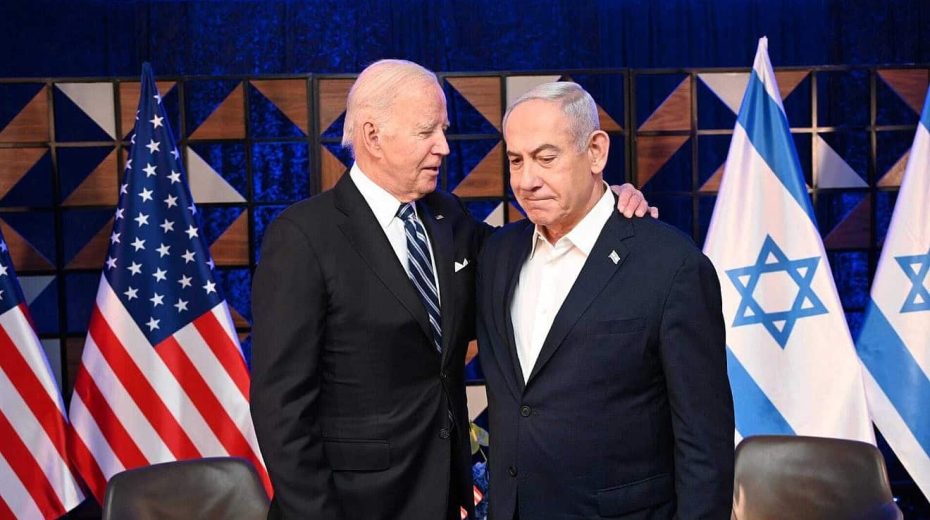


The Israeli government, led by Prime Minister Benjamin Netanyahu, has been defiant in the face of this pressure. The government’s primary focus has been the elimination of Hamas leadership, a strategy it argues is essential to Israel’s security. In the past week alone, Israeli forces assassinated Yahya Sinwar, the leader of Hamas, which they have touted as a major victory. However, critics both within and outside Israel argue that while targeting Hamas leaders may temporarily weaken the group, it does little to address the broader cycle of violence that continues to plague the region.7
The timing of this diplomatic pressure from the Biden administration may not be coincidental, as the 2024 U.S. presidential election looms on the horizon. With domestic concerns over foreign policy playing a critical role in voter sentiment, particularly within progressive and moderate circles, the US government’s stance on Israel’s handling of Gaza could be seen as an attempt to appeal to these groups. Balancing military support for a key ally with humanitarian considerations might allow the Harris campaign to solidify support without alienating important segments of the electorate who are increasingly critical of Israel’s actions.
But how far is the US willing to go in leveraging its military aid to force change? With both nations locked in a precarious diplomatic dance, the future of US-Israel relations—and the situation in Gaza—hangs in the balance
Poland’s Border Plan Faces Criticism Amidst Migration Tensions
Poland’s decision to fortify its eastern border has ignited a firestorm of controversy, with human rights groups and international NGOs condemning the move as both dangerous and short-sighted. The plan, spearheaded by Prime Minister Donald Tusk, is a direct response to what the Polish government describes as a “hybrid attack” from Belarus, in which migrants are allegedly being pushed towards the border as a form of state-sponsored destabilisation.
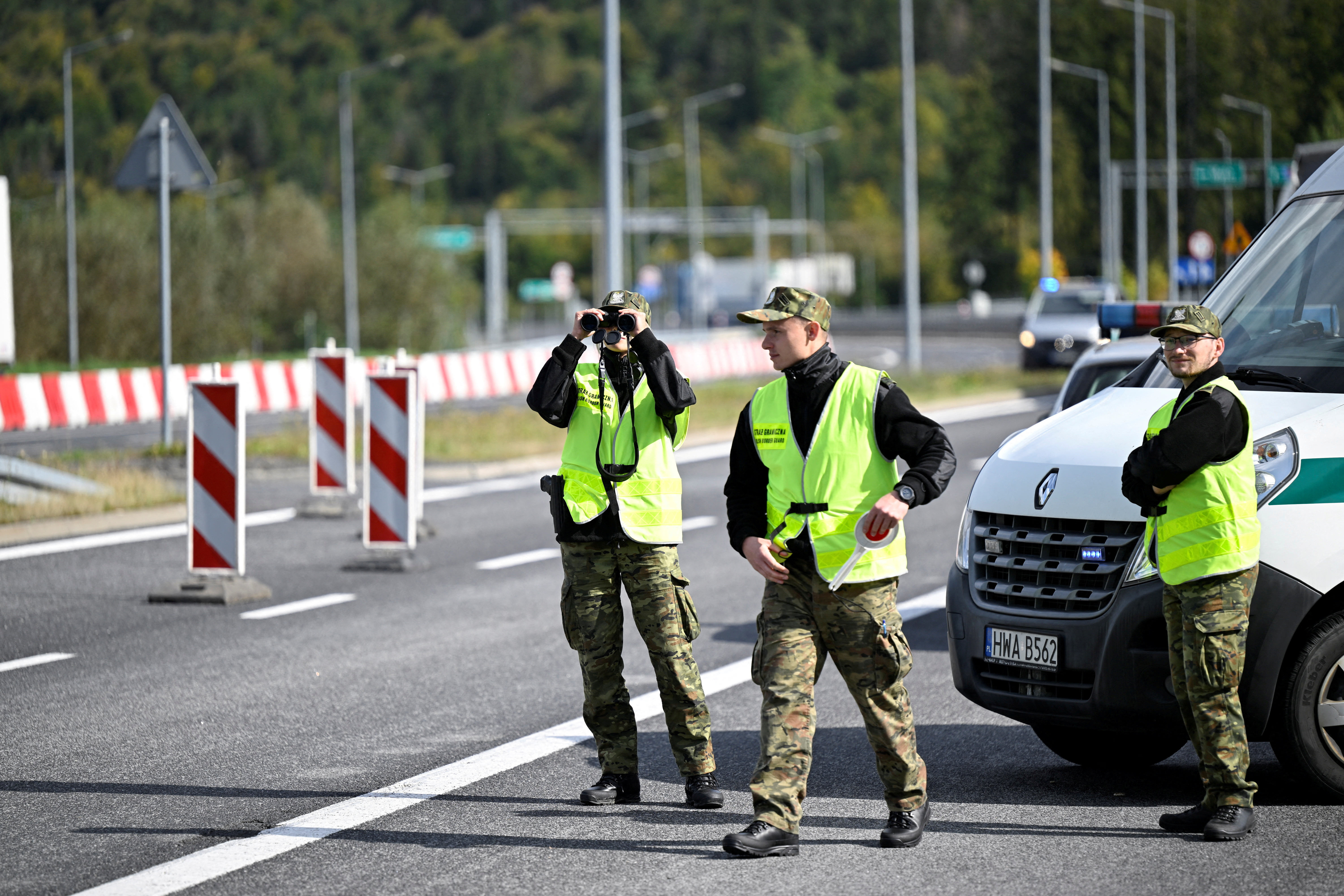
In an effort to curb the growing number of irregular migrants attempting to cross into Poland—and by extension, the European Union—Tusk’s government has unveiled a sweeping new strategy that includes the construction of additional barriers along the border. The plan, which has been framed as a necessary security measure, aims to safeguard Poland’s national sovereignty and protect the EU from potential threats. However, the fortification has drawn sharp rebukes from NGOs, who argue that the move will further imperil the lives of desperate migrants fleeing violence and poverty.8
Complicating matters, Poland is not the only country in the region to adopt stricter border policies in recent months. Germany, which has also seen an uptick in irregular migration, announced this week that it would increase border controls in response to the growing influx of migrants from Belarus. German officials have cited security concerns, underscoring the growing divide in Europe over how to handle migration.9

As Poland positions itself as a defender of the EU’s borders, the debate over security versus humanitarian duty rages on. While the Tusk government is determined to protect its citizens from what it perceives as external threats, critics argue that the real threat lies in abandoning the European Union’s commitment to human rights and the protection of vulnerable populations. The question remains: in the quest for security, how far is Poland—and Europe—willing to go, and at what cost to those most in need of protection?
Other Global News this Week

Nihon Hidankyo Awarded Nobel Peace Prize
Last week this year’s Nobel Peace Prize winner was announced. It was awarded to Nihon Hidankyo, an organisation deeply committed to advocating for nuclear disarmament and addressing the long-lasting consequences of nuclear weapons. The Nobel Committee highlighted Nihon Hidankyo’s relentless efforts to raise awareness about the humanitarian impacts of nuclear warfare, particularly through their advocacy for the rights of atomic bomb survivors.
The committee specifically acknowledged the organisation’s work in educating the public and policymakers about the catastrophic consequences of nuclear weapons, promoting peace initiatives, and fostering dialogue among nations regarding disarmament. In its statement, the committee emphasised that this recognition serves as a crucial reminder of the urgent need for global action to prevent nuclear conflict and to safeguard the most vulnerable populations. As the world grapples with escalating geopolitical tensions, the award underscores the imperative for international collaboration in achieving a nuclear-free future,10
North Korea’s Missile Launches Draw International Condemnation
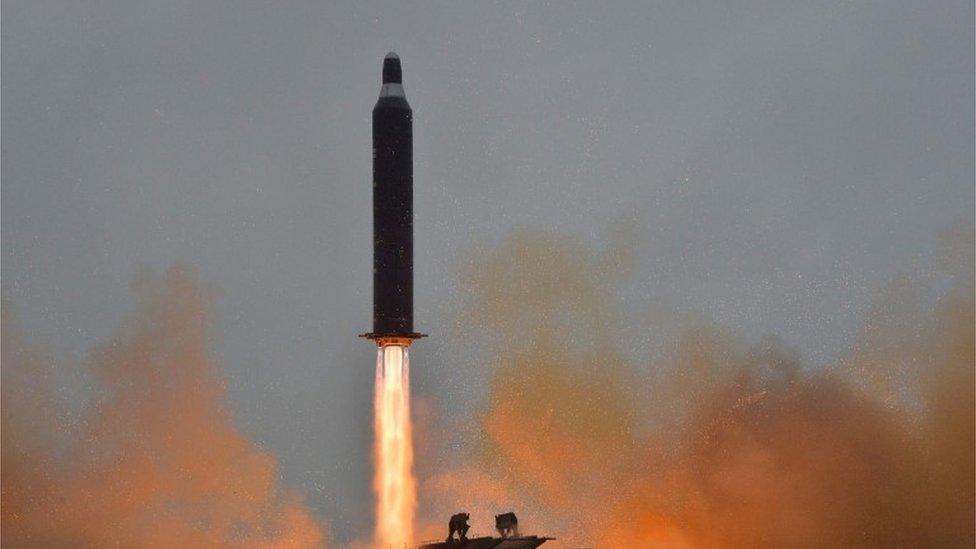
North Korea conducted a series of missile tests last week, including a launch of a Hwasong-17 intercontinental ballistic missile (ICBM), which reportedly travelled about 6,000 kilometres before landing in the Pacific Ocean. This test marks the longest-range missile launch by North Korea to date, raising alarms in Washington and Seoul. The U.S. State Department condemned the tests, stating they violate United Nations Security Council resolutions and pose a threat to regional stability
In response, South Korea and the U.S. held joint military exercises, which included air drills featuring bombers capable of carrying nuclear weapons. Analysts note that North Korea’s continued missile testing is likely aimed at demonstrating its military capabilities while enhancing its bargaining power in any future negotiations regarding its nuclear program. The situation remains tense, with both sides engaging in a cycle of provocation and military posturing11

U.S. Military Exercises Amid Rising South China Sea Tensions
As tensions escalate in the South China Sea, the United States conducted military exercises with allied forces, including Japan and Australia, in response to China’s recent military drills in the region. The U.S. Navy’s USS Ronald Reagan, an aircraft carrier, led a formation of ships that practised strike operations near the contested Spratly Islands. These drills come after China held live-fire exercises that included the testing of anti-ship ballistic missiles, alarming neighbouring countries and U.S. officials.
The Chinese Ministry of Defense defended the drills, asserting they were part of routine military training to protect national sovereignty and respond to perceived threats from the U.S. and its allies. Analysts caution that these actions could exacerbate tensions, especially as China’s aggressive territorial claims clash with the interests of Southeast Asian nations. Vietnam and the Philippines have reiterated their claims over parts of the sea, leading to calls for a unified diplomatic response to China’s military assertiveness12
Read about China’s missile testing in last week’s post here
Footnotes
- Baker, C. (2023). Obesity Statistics. House of Commons Library, [online] 1(3336). Available at: https://commonslibrary.parliament.uk/research-briefings/sn03336/. ↩︎
- Triggle, N. (2024). Weight Loss injections: How Do Drugs like Wegovy and Mounjaro work? BBC. [online] 18 Oct. Available at: https://www.bbc.com/news/articles/c981044pgvyo [Accessed 21 Oct. 2024]. ↩︎
- Eccles, M. (2024). UK to Study Offering weight-loss Drugs to Get People off the Dole. [online] POLITICO. Available at: https://www.politico.eu/article/unemployed-people-could-be-given-weight-loss-drugs-to-return-to-work-in-uk/ [Accessed 21 Oct. 2024]. ↩︎
- Thomas, R. (2024). Doctors’ Warning over Ozempic and Wegovy weight-loss Jabs on NHS. [online] The Independent. Available at: https://www.independent.co.uk/news/health/weight-loss-jabs-wegovy-ozempic-nhs-warning-b2629998.html [Accessed 21 Oct. 2024]. ↩︎
- AJLabs (2023). Israel-Hamas War in Maps and charts: Live Tracker. [online] Al Jazeera. Available at: https://www.aljazeera.com/news/longform/2023/10/9/israel-hamas-war-in-maps-and-charts-live-tracker [Accessed 21 Oct. 2024]. ↩︎
- News Wires (2024). US Warns Israel It Could Restrict Military Aid without ‘dramatic’ Improvement to Gaza Aid. [online] France 24. Available at: https://www.france24.com/en/middle-east/20241016-us-warns-israel-it-could-restrict-military-aid-without-dramatic-improvement-to-gaza-aid [Accessed 21 Oct. 2024]. ↩︎
- Fritzhand , T.O. (2023). Will Destroying Hamas End Israel’s Problems in Gaza? – Israel Today. [online] Israel Today. Available at: https://www.israeltoday.co.il/read/will-destroying-hamas-end-israels-problems-in-gaza/ [Accessed 21 Oct. 2024]. ↩︎
- Piekarski, M. (2024). The Renewed Poland-Belarus Border Crisis Explained. [online] Notes from Poland. Available at: https://notesfrompoland.com/2024/06/12/the-renewed-poland-belarus-border-crisis-explained/ [Accessed 21 Oct. 2024]. ↩︎
- Paternoster, T. (2024). Poland and Czech Republic Condemn Renewed Border Checks within EU. [online] euronews. Available at: https://www.euronews.com/my-europe/2024/10/10/poland-and-czech-republic-condemn-renewed-border-checks-within-eu [Accessed 21 Oct. 2024]. ↩︎
- Nobel Peace Prize (2024). The Nobel Peace Prize 2024. [online] NobelPrize.org. Available at: https://www.nobelprize.org/prizes/peace/2024/nihon-hidankyo/facts/ [Accessed 21 Oct. 2024]. ↩︎
- Dzirhan Mahadzir (2023). North Korea Tests Two Long-Range ICBMs, Drawing Condemnations from Japan, U.S. – USNI News. [online] USNI News. Available at: https://news.usni.org/2023/12/18/north-korea-tests-two-long-range-icbms-drawing-condemnations-from-japan-u-s [Accessed 21 Oct. 2024]. ↩︎
- Rahman, A. (2024). US Ramps up Military Exercises near China amid Rising Tensions. [online] Morning Star. Available at: https://morningstaronline.co.uk/article/us-ramps-military-exercises-near-china-amid-rising-tensions [Accessed 21 Oct. 2024]. ↩︎
 Reigniting Politics
Leave a comment