w/b 7th of October 2024
Best read on a desktop in a browser.
Preparations for Hurricane Milton
As Hurricane Milton edges closer to landfall, millions of people have been ordered to evacuate from the southern U.S. states, with initial estimates predicting the evacuation of over 1.8 million residents along the Gulf Coast. Already, the storm has caused widespread panic in cities like New Orleans and Houston, where memories of previous hurricanes like Katrina and Harvey still haunt the public psyche. While local governments have issued mandatory evacuation orders, many are questioning whether the federal response is keeping pace with the rapidly escalating situation.
Read my previous post about Hurricane Helene here

This is further complicated by the cost of evacuation, which, according to some estimates, can easily climb into the hundreds or even thousands of dollars when accounting for gas, hotel stays, and food. And for those living paycheck-to-paycheck, this price is simply unaffordable.
While local governments are offering shelters, overcrowding has already become an issue. Critics point out that the private sector’s response—upping prices for essential services—highlights the broader failure to ensure equitable access to safety during such emergencies. These rising costs add another layer of complexity to the government’s overall ability to protect its citizens from natural disasters.1


With the death toll from Hurricane Helene still fresh in the nation’s memory (over 200 lives lost), authorities are emphasising the severity of Milton, forecasted to bring storm surges up to 15ft (4.5m), and reach a peak of 180mph (290 km/h) wind speed (Category 5 Hurricane).2 President Biden addressed the nation, promising full federal support and urging residents to follow evacuation orders closely. However, despite these reassurances, the Federal Emergency Management Agency (FEMA) has come under fire, with critics pointing out the agency’s slow deployment of resources in previous disasters. Are these new promises any more than political rhetoric?
As Hurricane Milton continues its destructive path, more than 3 million homes and businesses across the Gulf Coast have already lost power, with many areas experiencing complete blackouts.3 This widespread outage is expected to worsen as the storm intensifies, making it increasingly difficult for residents to stay connected, access emergency services, or preserve food and essentials.
On top of that, energy companies are under scrutiny for increasing utility costs as demand rises, compounding the financial burden for those who need to keep their homes running amid preparations.
In Louisiana, Governor John Bel Edwards has requested additional National Guard troops and federal funds to prepare for the storm. Meanwhile, Texas Governor Greg Abbott echoed the calls for evacuation, but also questioned the federal government’s delay in approving emergency funding requests. As the storm intensifies, resources such as sandbags, food supplies, and temporary shelters are becoming scarce, exacerbating concerns over the government’s ability to handle mass evacuations.
As Hurricane Milton looms, it’s not just a storm that’s being prepared for—it’s a test of the nation’s ability to protect its people when it matters most.
My Opinion on this
The title of today’s post, “The True Cost of Government Inaction,” couldn’t be more appropriate for the ongoing disaster that is Hurricane Milton. It raises an important question: should this be a lesson in disaster management, a wake-up call about the growing risks faced by those in poverty, or yet another glaring reminder of climate change’s destructive power? The truth is, it’s all three.
Disasters like Milton aren’t just about the storms themselves but about how prepared—or unprepared—we are for their arrival. For decades, we’ve watched climate change creep into our lives, but it’s no longer some distant issue affecting polar ice caps or coral reefs. It’s here, right now, in the form of hurricanes that are growing more severe and frequent, destroying communities, livelihoods, and taking lives. And yet, the U.S. government seems almost indifferent. FEMA itself has admitted to being nearly $9 billion short on funding for Hurricane Helene’s recovery, let alone what’s needed for Milton. How can this even happen?
Then we look at the choices the US government makes. Just this week, $8.7 billion was sent to Israel—funding for a foreign war. While it’s not about dismissing international commitments, it raises a critical point: how can a nation prioritise financing conflicts abroad while leaving its own citizens vulnerable to preventable disasters at home? Why is it that FEMA, the agency meant to protect and help American citizens, is scraping by while tax dollars are financing conflicts half a world away?
This isn’t just a natural disaster; it’s a crisis of priorities. What’s happening with Hurricane Milton should serve as a stark reminder of what happens when governments fail to act swiftly and decisively. This isn’t just a weather issue—it’s an economic issue, a social issue, and yes, a climate issue. And while Milton itself may pass, the question remains: how much longer will we let inaction dictate our response to disasters that are only going to get worse?
The government has the resources, yet it chooses where to spend them. Let’s hope this disaster serves as a long-overdue lesson on the cost of neglect and the devastating consequences of ignoring the communities most at risk.
Haiti’s Hunger Crisis
Haiti’s hunger crisis has reached a catastrophic tipping point, with 5.5 million people—almost half of the population—now facing acute food insecurity. This dire situation is a consequence of a complex web of factors, including decades of political corruption, ineffective governance, and rampant gang violence. The U.N.’s recent decision to extend its international security mission has sparked renewed debates about the efficacy of foreign intervention, as many argue it fails to tackle the underlying issues plaguing the nation.
Despite the influx of aid, officials assert that the international community’s presence has often prioritise security over essential humanitarian needs. Gang violence, particularly in Port-au-Prince, has effectively paralyzed any attempts to deliver food and aid to those in desperate need. Many families remain trapped in a cycle of poverty, unable to access the basic necessities for survival.4
This week, reports highlighted the ongoing government inaction amid escalating violence, as gangs continue to exert control over significant portions of the capital. The government’s failure to restore order and provide adequate support for food distribution has left citizens vulnerable. Activists and local leaders emphasise that what Haiti truly needs is a focus on sustainable solutions—empowering local governance, addressing economic instability, and enhancing food security—rather than merely increasing international oversight.


Amid Haiti’s escalating crisis, children are increasingly being forced into military groups, with many young boys conscripted as gang members amid the chaos. Meanwhile, young girls are often subjected to forced labour, exploited in domestic work or illicit industries. More than half of the children in Haiti suffer from malnutrition, and approximately 24% of children are engaged in child labor.5 These developments highlight the grim reality facing Haiti’s youth, who are trapped in a cycle of violence and exploitation, with limited opportunities for education or safe livelihoods.6
Haiti’s historical struggles with corruption and hunger stem from its colonial past and ongoing political instability. As a former French colony, Haiti was once the world’s leading sugar producer, built on a brutal slave economy. The Haitian Revolution (1791-1804) resulted in independence, but the new nation was burdened with reparations to France, which hindered economic development and stability. Decades of natural disasters, notably the devastating earthquake in 2010, have exacerbated the country’s challenges, leading to systemic issues like ineffective governance and widespread poverty.7
As the humanitarian crisis deepens, the voices calling for a re-evaluation of the international community’s approach to Haiti grow louder. Many argue that without prioritising sovereignty and local capacity-building, the cycle of crisis and dependence on foreign aid will persist. But in a nation deeply entrenched in corruption and conflict, can the international community provide aid without the looming threat of escalating tensions?
The Fight for Chagos Islands
This past week saw significant developments regarding the Chagos Archipelago, particularly in the ongoing sovereignty negotiations between the UK and Mauritius. On October 3, both governments announced a political agreement granting Mauritius sovereignty over the archipelago, including Diego Garcia. The agreement, which follows two years of negotiations, marks a pivotal moment in the long-standing dispute between the two nations. It also addresses past injustices, particularly the forced removal of Chagossians in the 1960s, with plans for resettlement and financial support for their welfare.
The fight for the Chagos Islands is a deeply complex issue rooted in colonialism, displacement, and political manoeuvring. In the 1960s, as part of an agreement between the UK and the U.S., the indigenous Chagossian population was forcibly removed from the islands to make way for a U.S. military base on Diego Garcia. This left thousands of Chagossians stateless, exiled primarily in Mauritius, Seychelles, and the UK, stripping them of their homes, culture, and livelihoods.
Diego Garcia – Largest and southernmost member of the Chagos Islands It has been home to a major U.S. military base since the 1970s, used for various operations including intelligence gathering, refuelling, and as a staging ground for military actions in the Middle East and Asia.8

Previously a major critique of the UK government has been its inaction on this issue, despite the International Court of Justice (ICJ) ruling in 2019 that declared the UK’s continued occupation of the islands illegal. The UK has consistently delayed negotiations or attempts at compromise, prioritising its geopolitical interests over human rights. The cost of displacement has been immense, with generations of Chagossians losing their sense of identity, culture, and economic stability. This government inaction underscores the lingering effects of colonialism, where political interests and military alliances seem to outweigh the plight of displaced populations.

Under this new framework, Mauritius will gain sovereignty over the islands, while the UK will continue to operate the joint UK-US military base on Diego Garcia for an initial term of 99 years. This arrangement is seen as a crucial compromise, ensuring that the base remains fully operational and that key Western security interests in the Indian Ocean are maintained. According to UK officials, this agreement ensures the long-term security of the region, with US President Joe Biden and other American officials applauding the diplomatic achievement. The deal is expected to protect the strategic military interests of both nations while also addressing the calls for justice from the displaced Chagossian people.9
In terms of next steps, the treaty has not yet been signed or ratified. Both governments are expected to move towards formal treaty negotiations following the Mauritian general elections later this year. The UK has committed to ratifying the treaty by 2025, subject to parliamentary approval. This process will likely involve additional scrutiny and possible amendments, as the future operations of the Diego Garcia base and the rights of the Chagossians remain sensitive topics.
Update on the Tory Leadership Election

The Conservative Party leadership race took a dramatic turn this week, narrowing significantly after the eliminations of James Cleverly and Tom Tugendhat in rapid succession. Tom Tugendhat, who had built a strong reputation for his focus on defence and international relations, was eliminated on October 8th, following the second round of voting by Conservative MPs.10 Just a day later, on October 9th, frontrunner James Cleverly was unexpectedly knocked out in the third round, despite his strong performance in earlier votes. This sudden shift highlights just how unpredictable political contests can be.11
Now, the race comes down to two key contenders: Kemi Badenoch and Robert Jenrick. The final decision will be in the hands of the wider Conservative Party membership, who will vote over the coming weeks. The next leader is set to be announced on November 6, 2024, a crucial moment that will determine the party’s future direction and leadership.
Other Global news this week

China’s Missiles
This week, China’s missile tests have again put the spotlight on its growing military capabilities, with global powers paying close attention. However, while many view these missile launches as political posturing amid ongoing tensions in the Asia-Pacific—particularly over Taiwan and the South China Sea—the Chinese government insists that these actions are motivated by legitimate military needs. According to the latest reports, China tested a range of missiles, including ballistic and hypersonic varieties, during recent military drills.
These actions come at a time of increasing friction over Taiwan, with both sides intensifying their military drills and showing no signs of backing down. China’s defence build-up, including these missile tests, risks sparking an arms race as neighbouring countries ramp up their own military preparations. Whether these tests will be seen as a prelude to broader regional instability or as a necessary modernization effort depends largely on the responses of regional powers and how China navigates future military operations.12

Spain’s new front on Immigration
In a sharp contrast to many of its European neighbors, Spain has adopted a distinctly different approach to handling migration.
While countries like Italy, Poland, and Hungary are tightening border controls and implementing restrictive migration policies, Spanish Prime Minister Pedro Sánchez has been vocal about the benefits of migration and its potential to contribute to the nation’s economy and workforce. During recent talks with European leaders, Sánchez emphasised that migration should not be seen as a threat but as an opportunity for growth and development, especially in an ageing Europe with labour shortages .
Spain’s southern border, particularly the Canary Islands, continues to see a significant influx of migrants arriving from North Africa. However, rather than focusing solely on border control, the Sánchez administration has aimed to promote legal pathways for migrants and improve reception conditions. Spain is also calling on other EU countries to share the responsibility, pushing for a more unified European migration policy that balances security with humanitarian responsibility. Could this mark the much-needed positive shift in how migration is perceived?13
Amazonian sustainability initiatives
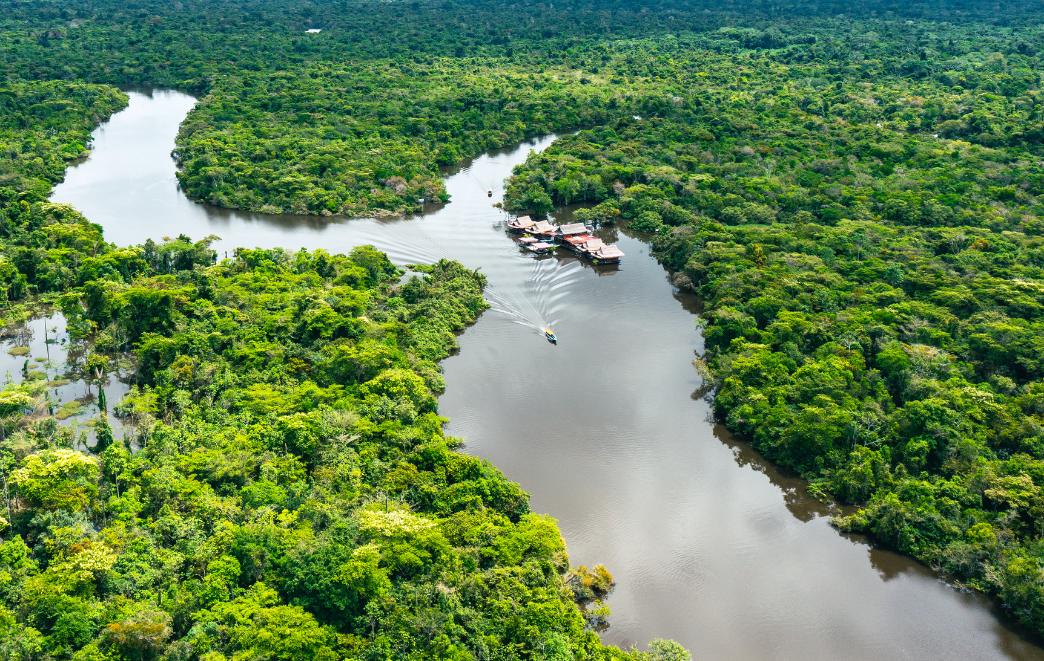
Ahead of the 2024 United Nations Climate Change Conference (COP29) in November, the Food and Agriculture Organization (FAO), Amazon Cooperation Treaty Organization (ACTO), and governments across the Amazon region have launched targeted sustainability initiatives to preserve the rainforest’s biodiversity.
Notably, the reforestation efforts focus on areas devastated by illegal logging and wildfires, with specific goals to restore degraded land and plant millions of native trees by 2030. Sustainable agriculture initiatives include transitioning farmers to agroforestry systems that maintain biodiversity while supporting livelihoods. One of the major challenges is balancing these sustainability projects with the pressures of illegal logging and land conversion for large-scale agriculture, especially soy and cattle farming.
Advocates for the Amazon emphasise the importance of integrating Indigenous knowledge into these efforts, as Indigenous communities have long been guardians of the rainforest. Collaborative approaches involving local communities, national governments, and international organisations are seen as essential to preserving the Amazon’s ecological balance. As the largest tropical rainforest on Earth, the Amazon plays a critical role in absorbing carbon dioxide, making these sustainability efforts key in the fight against global climate change.14
Footnotes
- Walker, A.R. (2024). Hurricane Milton: What Does It Actually Take to Evacuate during a Weather crisis? [online] The Guardian. Available at: https://www.theguardian.com/us-news/2024/oct/09/hurricane-milton-evacuation-logistics [Accessed 10 Oct. 2024]. ↩︎
- King, S. and Fawkes, C. (2024). How Does Hurricane Milton Compare to Helene and Katrina? [online] BBC Weather. Available at: https://www.bbc.com/weather/articles/cq64vnj51p1o [Accessed 10 Oct. 2024]. ↩︎
- Luscombe, R. (2024). Hurricane Milton: Nearly 3 Million without Power in Florida as Category 3 Storm Makes Landfall. [online] The Guardian. Available at: https://www.theguardian.com/us-news/2024/oct/09/hurricane-milton-makes-landfall-florida [Accessed 10 Oct. 2024]. ↩︎
- Taylor, L. (2024). Gang violence leaves Haiti facing ‘worst hunger emergency in the western hemisphere’. [online] The Guardian. Available at: https://www.theguardian.com/global-development/2024/oct/02/gang-violence-leaves-haiti-facing-worst-hunger-emergency-in-the-western-hemisphere [Accessed 10 Oct. 2024]. ↩︎
- World Metrics (2024). Haiti Statistics Statistics: Market Data Report 2024. [online] Worldmetrics.org. Available at: https://worldmetrics.org/haiti-statistics/ [Accessed 10 Oct. 2024]. ↩︎
- Jazeera, A. (2024). Haiti’s Gangs Are Recruiting Child soldiers, Rights Group Says. [online] Al Jazeera. Available at: https://www.aljazeera.com/news/2024/10/9/haitis-gangs-are-recruiting-child-soldiers-rights-group-says [Accessed 10 Oct. 2024]. ↩︎
- Mohor, D. (2024). The New Humanitarian | Haiti in-depth: a Transition Beset by Challenges and Uncertainty. [online] http://www.thenewhumanitarian.org. Available at: https://www.thenewhumanitarian.org/analysis/2024/03/20/haiti-depth-transition-beset-challenges-and-uncertainty. ↩︎
- Encyclopaedia Britannica (2024). Diego Garcia | History & Map. [online] Encyclopedia Britannica. Available at: https://www.britannica.com/place/Diego-Garcia-island-Indian-Ocean [Accessed 11 Oct. 2024]. ↩︎
- Puri, S. (2024). The UK Must Focus on How the Chagos Decision Is Implemented to Gain Its Benefits and Minimize Risks. [online] Chatham House – International Affairs Think Tank. Available at: https://www.chathamhouse.org/2024/10/uk-must-focus-how-chagos-decision-implemented-gain-its-benefits-and-minimize-risks [Accessed 11 Oct. 2024]. ↩︎
- Brown, F. (2024). Tom Tugendhat Knocked out of Tory Leadership Race – as James Cleverly Tops Latest Vote. [online] Sky News. Available at: https://news.sky.com/story/tom-tugendhat-knocked-out-of-tory-leadership-race-as-james-cleverly-tops-latest-vote-13230319 [Accessed 11 Oct. 2024]. ↩︎
- Martin, D. and Penna, D. (2024). Tory Blame Game Erupts after James Cleverly Crashes out of Leadership Race. [online] The Telegraph. Available at: https://www.telegraph.co.uk/politics/2024/10/10/tory-blame-game-cleverly-crashes-out-of-leadership-race/ [Accessed 11 Oct. 2024]. ↩︎
- Torode, G. (2024). Beyond the politics, China’s missile test reflects military need. [online] Reuters. Available at: https://www.reuters.com/world/china/beyond-politics-chinas-missile-test-reflects-military-need-2024-10-09/ [Accessed 12 Oct. 2024]. ↩︎
- Reuters (2024). Spain’s Sanchez touts benefits of migration as European neighbours tighten borders. [online] Reuters. Available at: https://www.reuters.com/world/europe/spains-sanchez-touts-benefits-migration-european-neighbours-tighten-borders-2024-10-09/ [Accessed 12 Oct. 2024]. ↩︎
- Lubetkin, M. (2024). Amazonian Bioeconomy: an Essential Path for Sustainable Development. [online] Globalissues.org. Available at: https://www.globalissues.org/news/2024/10/10/37921 [Accessed 12 Oct. 2024]. ↩︎
Subscribe
Enter your email below to receive updates.
One response to “Hurricane Milton, Haiti’s Hunger Crisis, and Chagos Island: The True Cost of Government Inaction”
-

[…] Read about China’s missile testing in last week’s post here […]
LikeLike

 Reigniting Politics
Leave a comment